
Long-term relationships evolve quietly, often in ways that aren’t obvious until the emotional distance becomes noticeable. Partners grow, adapt, and shift internally long before they express those changes out loud. A man may feel like he’s doing everything “the same,” yet still fall behind emotionally without realizing that her expectations have outgrown the old version of the relationship. These changes aren’t sudden; they unfold through subtle needs that emerge with age, stress, and new life stages. This introduction explores how easily partners drift out of emotional sync, not through conflict, but through unnoticed evolution. Understanding this gap becomes the key to reconnecting before the distance feels permanent.
She Needs Emotional Depth More Often, Not Only During Problems
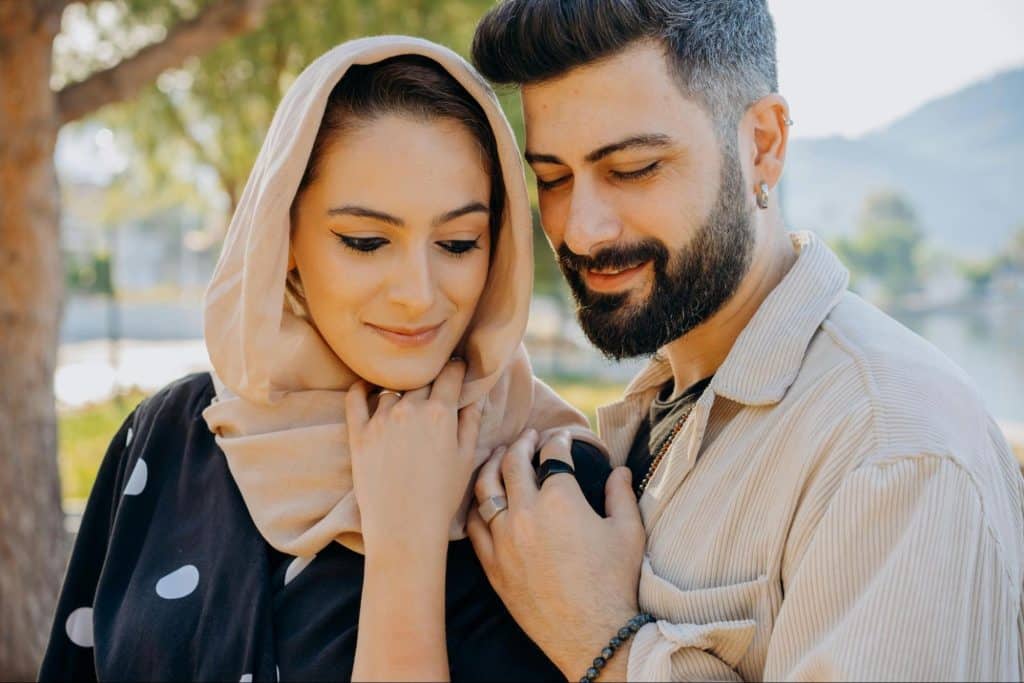
Over time, partners begin craving deeper emotional exchanges that go beyond daily routines. While men may feel conversations are fine as long as nothing is wrong, she may want to discuss feelings, meaning, and connection more regularly. This shift often reflects her desire to maintain closeness, not to complicate things. When emotional depth becomes a need rather than an option, surface-level conversations no longer feel fulfilling for her. The gap widens when a man assumes everything is fine simply because nothing appears broken. Emotional depth becomes one of the earliest evolving needs that often goes unnoticed.
She Values Reassurance More Than She Used To

As life changes, so do insecurities, sometimes quietly. Even confident partners may begin needing verbal reassurance, affection, or acknowledgment more than in earlier years. This isn’t a sign of weakness but a shift in emotional priorities shaped by aging, responsibilities, and self-image. Men often underestimate the power of simple reassurance because they themselves don’t always need it. When reassurance fades while her need for it grows, she begins feeling emotionally unseen. This mismatch creates distance long before it becomes a conversation.
Quality Time Starts Meaning Something Different

Early in relationships, time together may simply mean being in the same space. As years pass, partners begin valuing quality time that includes shared attention, intentional moments, and meaningful presence. She may desire deeper engagement rather than routine coexistence. Men often assume that being physically present is enough, but emotional presence becomes the new expectation. When quality time evolves, old habits no longer meet the emotional need. This change can go unnoticed until she begins expressing loneliness despite togetherness.
Her Need for Being Heard Grows Stronger

Listening becomes more important as life becomes busier and more demanding. She may start craving not just conversation, but the feeling of being genuinely understood. Men sometimes shift into problem-solving mode without realizing she simply wants acknowledgment. This creates a disconnect where she feels unheard while he feels he is helping. As her need for emotional validation increases, the absence of attentive listening becomes more noticeable. Being heard evolves from preference to necessity.
She Becomes Less Tolerant of Emotional Minimalism

What once felt acceptable may no longer be enough. Minimal emotional responses or brief interactions begin to feel insufficient or dismissive. This isn’t because she changed suddenly, it’s because her emotional bandwidth evolved. She expects deeper engagement, clearer communication, and more intentional connection. Men often miss the shift because they’re accustomed to emotional simplicity. The difference between “fine” and “connected” becomes much larger in her emotional world.
She Prioritizes Emotional Safety More Than Ever

Over time, partners become more aware of what drains them and what nourishes them. Emotional safety, feeling supported rather than dismissed, becomes crucial. She may withdraw more quickly when conversations feel tense or invalidating. This evolution isn’t about fragility but about self-protection. Men often misread this withdrawal as disinterest instead of a sign the emotional environment has changed. Emotional safety becomes one of her strongest new needs.
She Craves Consistency Instead of Occasional Effort

When relationships age, consistency becomes more meaningful than occasional grand gestures. She begins valuing small, regular signs of care that create stability. Men may still rely on periodic efforts, not realizing her needs now require steady emotional presence. Inconsistency becomes more noticeable, even if unintentional. This shift reflects her desire for reliability rather than intensity. Consistency becomes the language of love she understands most clearly.
She Needs More Mental and Emotional Partnership

Life responsibilities increase with age, work, family, finances, stress. She may begin needing a partner who actively shares the emotional load, not just the physical tasks. While men often focus on practical support, she seeks shared mental responsibility. She wants someone who understands the burdens she carries without needing everything spelled out. This evolving need often goes unnoticed until she starts expressing exhaustion. Mental partnership becomes the foundation she relies on.
She Becomes More Sensitive to Emotional Absence

Things that didn’t bother her before now feel heavier. Small moments of disengagement or emotional distance resonate differently. This increased sensitivity stems from years of unmet emotional needs building quietly. Men may believe nothing is wrong because behavior hasn’t changed, but emotional perception has. Her need for emotional presence grows stronger, and absence becomes more noticeable.
She Expects Clearer Communication Instead of Assumptions

After years together, assumptions begin causing more harm than ease. She expects clarity, honesty, and transparency. While many men rely on predictability and routine, she evolves toward wanting more direct communication. Mixed signals or vague answers become increasingly frustrating. The emotional cost of unclear communication becomes higher. This shift happens silently but powerfully.
She Values Effort in Areas That Once Seemed Small
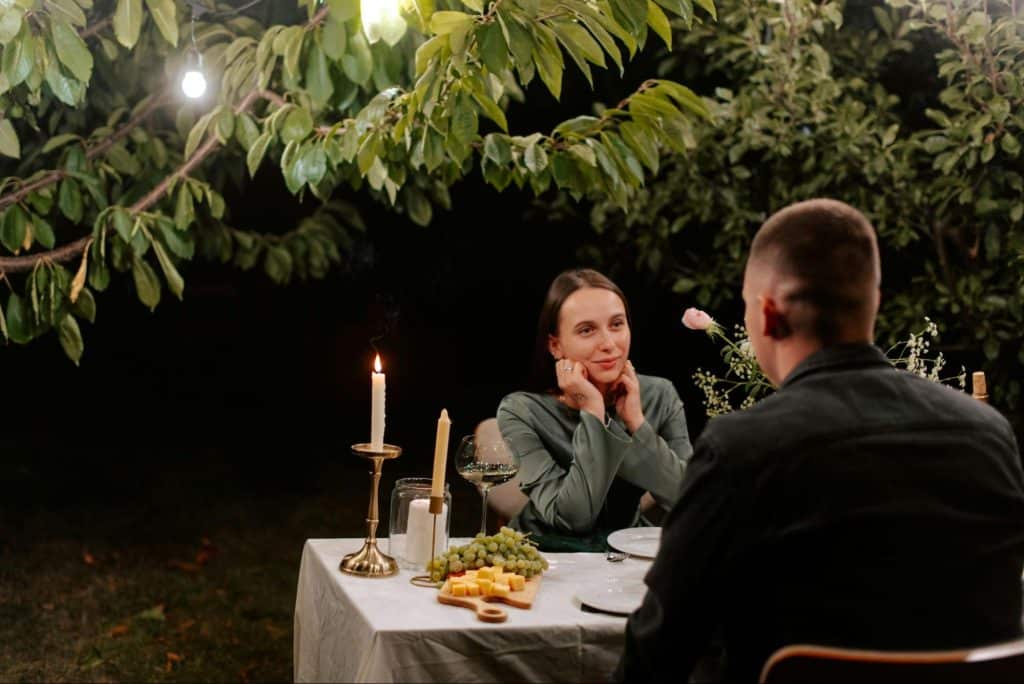
Small gestures, checking in, expressing appreciation, noticing details, gain significance as time passes. She sees effort as proof of continued investment. Men sometimes overlook these gestures because they seem minor or unnecessary. But for her, they demonstrate emotional commitment. When these small efforts disappear, she feels the shift immediately. Her need for visible effort evolves long before it’s discussed.
She Becomes More Aware of Emotional Gaps

With age and experience, emotional differences become easier to detect. She notices distance, avoidance, and disengagement more quickly. Small disconnects feel bigger because she sees the patterns behind them. Men often miss these early warnings because they don’t interpret them the same way. Her growing awareness reflects emotional maturity, not overthinking. She simply recognizes gaps sooner than before.
Her Need for Respect Shows Up in New Ways

Respect becomes more about tone, effort, and consistency rather than roles or responsibilities. She expects shared decisions, mutual consideration, and emotional acknowledgment. When respect evolves, old behaviors may unintentionally feel dismissive. Men often don’t realize the shift because the definition of respect changes gradually. This new interpretation shapes her emotional comfort.
She Needs More Emotional Intimacy Than Physical Intimacy

As relationships mature, emotional intimacy becomes more important than physical closeness. She may seek deeper conversations, vulnerability, and connection before engaging physically. Men sometimes miss this evolution, believing physical affection alone maintains closeness. But she now needs emotional alignment to feel fully connected. Emotional intimacy becomes the gateway to everything else.
She Looks for Proof of Growth Instead of Promises
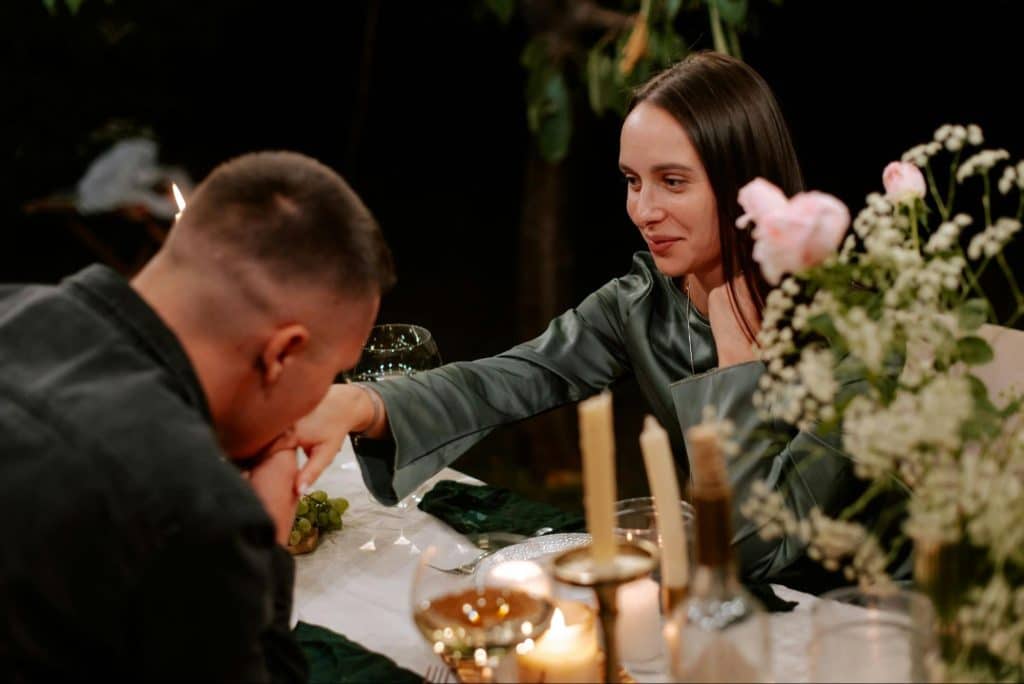
Words matter less than follow-through. She becomes more attuned to actions that demonstrate emotional maturity, effort, and responsibility. Men may still rely on reassurance through words, but she now measures love through consistency and change. Growth becomes the unspoken expectation of long-term love. This shift reveals what she values most at this stage of life.
Her Sense of Partnership Requires More Emotional Reciprocity

She wants to feel like both partners are equally invested emotionally, not just practically. Reciprocity becomes vital, sharing, listening, adjusting, supporting. When she feels she’s giving more emotionally, imbalance becomes harder to ignore. Men may think everything is balanced because practical responsibilities are split, but emotional exchange becomes her measure of partnership. This evolving need defines long-term stability.
Conclusion – When Her Needs Evolve, Awareness Becomes the First Step Toward Reconnecting

Relationships don’t fall apart because of one big moment, they drift through small, unnoticed shifts in emotional needs. As partners grow and evolve, the expectations for connection, communication, and emotional presence change too. Men often fall behind not out of neglect, but because these evolutions happen quietly and gradually. Recognizing these shifts is the key to preventing emotional distance from becoming permanent. When awareness grows, so does the potential to reconnect, rebuild, and deepen the partnership in meaningful ways.








Ask Me Anything