
Dating after a long stretch of being single or coming out of a long-term relationship can feel like stepping onto a tightrope. One minute, you’re excited. The next, your mind starts racing: “Will I perform? Will I mess this up?”
Performance anxiety is a normal, biological response, and it doesn’t mean there’s anything wrong with you. In fact, studies show that up to 30% of men experience sexual performance anxiety at some point. You can train your mind, body, and habits to crush it.
Own Your Mindset
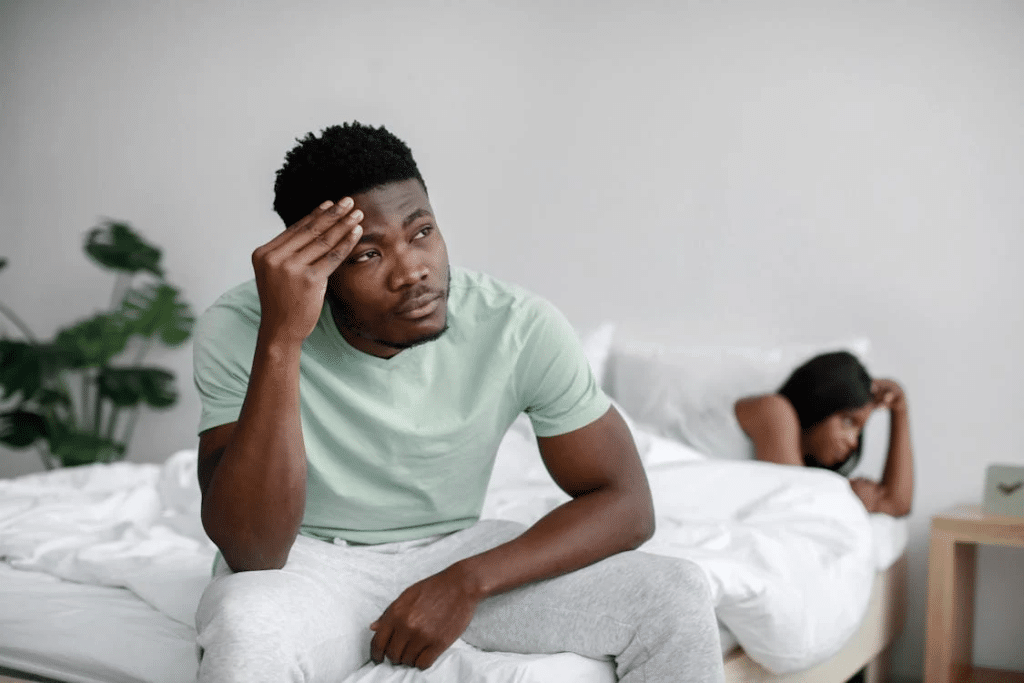
Your brain is the OG performance killer. Anxiety thrives when you overthink, so switch the script: focus on pleasure, not pressure. Tell yourself, “I’m here to enjoy, not perform.” Visualize fun and connection, not a checklist. Science shows that positive self-talk can reduce anxiety and boost confidence. The more you train your mind to chill, the less your body freaks out.
Ditch the Expectations

You’re not auditioning for a porn scene. Forget “perfect moves” or “instant chemistry.” When you set unrealistic expectations, your anxiety skyrockets. Instead, treat intimacy like a conversation. Sometimes smooth, sometimes awkward, always authentic. Studies link lowered performance anxiety to realistic sexual expectations. Let curiosity replace pressure. The best experiences happen when you loosen up and just enjoy the ride.
Reconnect With Your Body
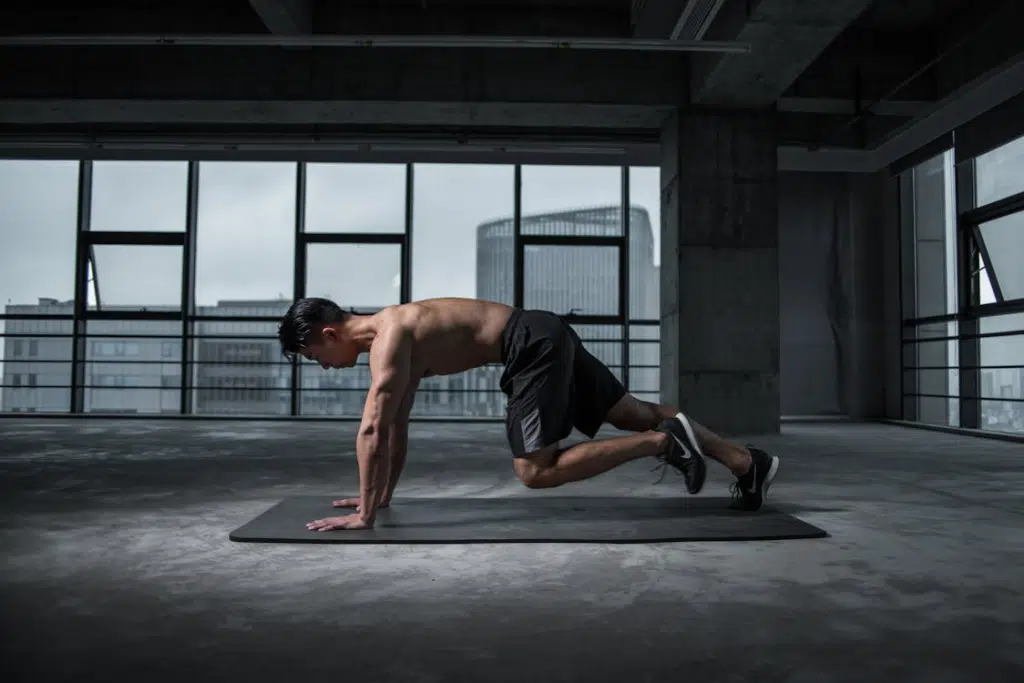
After decades away from dating, your body might forget its rhythms. Do simple exercises to reconnect: push-ups, stretching, or even just mindful breathing. Focus on sensations, not outcomes. Mindfulness has been shown to reduce sexual performance anxiety and improve sexual satisfaction . This isn’t about feeling alive and present in your body.
Communicate Early and Often

Talking helps. Tell your partner what you’re feeling. A simple, “I’m a little nervous, so bear with me,” builds intimacy and lowers pressure. Open communication creates empathy and reduces anxiety. Plus, women notice honesty. It’s attractive. Forget the macho silent act. Vulnerability is the new alpha.
Warm Up Slowly
Jumping straight into the main event can backfire. Start with kissing, touching, and playful teasing. Gradually escalate. This builds comfort and lets your body naturally respond. Think of it as a slow burn, not a sprint. Research confirms that foreplay and gradual stimulation reduce performance anxiety. Take your time.
Practice Mindful Breathing

When you feel your chest tighten or your mind race, pause. Take deep, slow breaths into your diaphragm. Breathwork signals your nervous system to calm down. Just 4–5 deep breaths can reduce heart rate and help you refocus. Mindfulness exercises have been proven to reduce sexual anxiety and improve erection quality. It’s simple, discreet, and works.
Limit Alcohol and Stimulants

Yes, a drink can ease nerves, but too much can tank performance. Alcohol dulls sensation and raises anxiety in tricky ways. Same goes for excessive caffeine. Keep it light and intentional. Your goal is presence and control, not numbness. Performance anxiety drops when your body isn’t fighting chemicals and jitters.
Avoid Comparisons

Forget porn, forget exes. Comparing yourself to unrealistic standards kills confidence fast. Your partner wants you, in this moment, not a highlight reel. Studies show that exposure to porn or unrealistic sexual media increases performance anxiety. Focus on real connection, real reactions, and real fun.
Exercise Confidence Outside the Bedroom

Confidence is cumulative. Crush goals at work, hobbies, or fitness. Feeling capable outside the bedroom spills over into sexual confidence. Even small wins, like a 10-minute workout or a social outing, can give your nervous system a boost. Your body remembers success, not failure.
Build Anticipation
Anxiety often comes from wanting instant results. Build sexual tension over the day. Send flirty texts, engage in playful banter, create mystery. Anticipation releases dopamine, making intimacy easier and more exciting. Turning connection into a game reduces pressure on performance.
Learn to Laugh at Awkward Moments
Yes, stuff will go wrong. Maybe a misstep, a stumble, or a missed cue. Laugh. Humor reduces stress and cortisol, helping your body relax. Owning the moment without shame flips anxiety into charm. Your partner will love the relaxed vibe.
Explore Without Pressure

Try new positions, techniques, or playful roleplay, but don’t make it a checklist. Exploration is about fun, not evaluation. The more curious you are, the less anxious you feel. Remember: intimacy is creativity, not a test.
Masturbate Strategically

Before a date or sexual encounter, use masturbation as practice. Focus on control and sensation, not speed. This reinforces confidence and teaches your body to respond under low-pressure conditions. Controlled practice can reduce performance anxiety in real situations.
Visualize Success

Spend a few minutes imagining a relaxed, enjoyable experience with your partner. Picture connection, laughter, and intimacy flowing naturally. Visualization trains your brain and reduces anticipatory anxiety. Studies show that mental rehearsal can improve sexual performance.
Focus on Her, Not You

Shift attention to pleasure and connection rather than your own performance. Curiosity about your partner’s responses keeps your mind occupied and reduces self-consciousness. Anxiety melts when you genuinely care about mutual enjoyment, not outcome.
Use Physical Cues to Stay Grounded

Touch your partner, feel textures, notice smells, listen to sounds. Engage all senses. Grounding techniques help redirect focus from anxious thoughts to real, tangible sensations. Presence is equal to pleasure, and pleasure beats anxiety every time.
Accept Imperfection
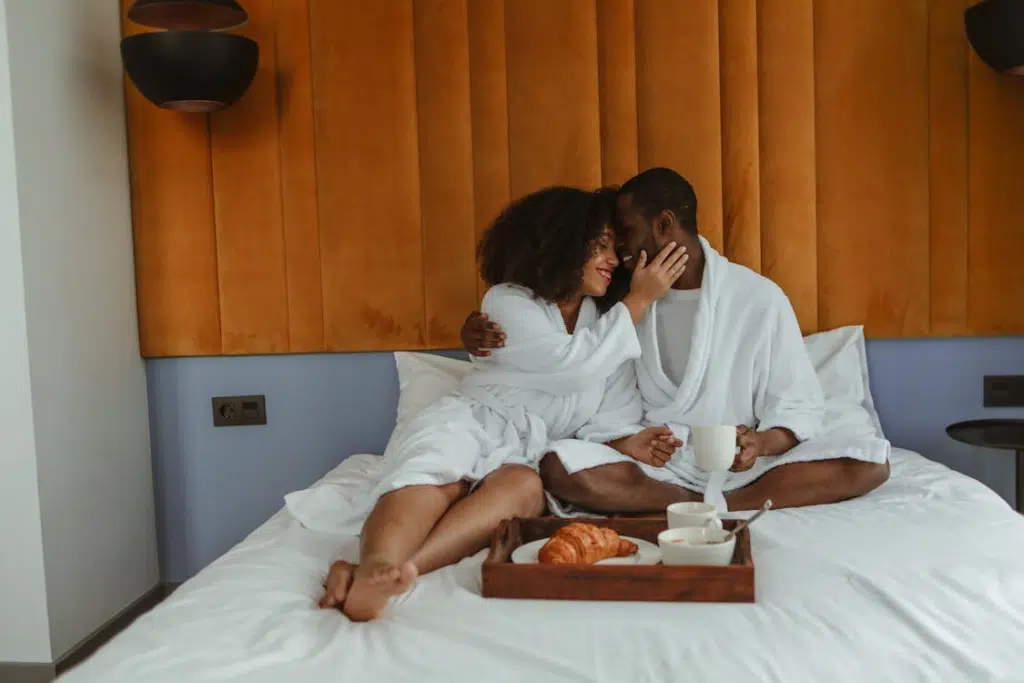
Perfection is a myth. Even after decades, you can’t control every moment. Embrace imperfection as part of intimacy. Acceptance lowers pressure and encourages confidence. Your partner is not grading you. They’re enjoying being with you.
Seek Professional Guidance if Needed

If anxiety persists, don’t hesitate to consult a sex therapist or coach. Professionals can give tools and exercises to manage physiological and psychological factors. Research supports therapy’s effectiveness in reducing sexual performance anxiety. Seeking help is a sign of strength, not weakness.








Ask Me Anything