Is having a boyfriend cringe now, or are women just redefining modern love? Let’s delve into it. Following a viral trend and a provocative Vogue headline that put forward the question of whether having a boyfriend is now embarrassing for women, a new cultural debate set off online. A lot of people could relate, not because women despised relationships for real, but because of the changed way of viewing relationships and what defines a healthy relationship for them now: one that is balanced, respectful, based on equality, and doesn’t require women to shrink themselves. Women now keep their relationships private and sincere rather than posting them online. They keep it low-key, not out of dislike but out of caution.
Here are 15 reasons behind this trend and what it reveals about the evolving dynamics of love and romance for women
From Status Symbol to Social Liability
In the past, it was considered a status symbol to have someone special in your life. You were not deemed successful if you excelled in your career but failed to establish a relationship by 30. The mindset has seen a shift in the modern era; women no longer seek societal approval; rather, being tied to someone brings along liabilities impacting their career growth, and their prospects of promotion or their freedom to be themselves also get curtailed. They no longer see that their single relationship status can impact their worth.
The Rise of the Soft Launch
Women aren’t going all out public with their relationship status. They drop subtle hints, like sharing quotes that hint at her love life, a drink with two straws, or a faceless picture with her head resting on his arm. The soft launch is the new style of declaring one’s relationship. This offers them more privacy and ownership over their love lives. They get to choose how much they want to share with those around them about their relationship.
Erasing Faces, Hiding Partners
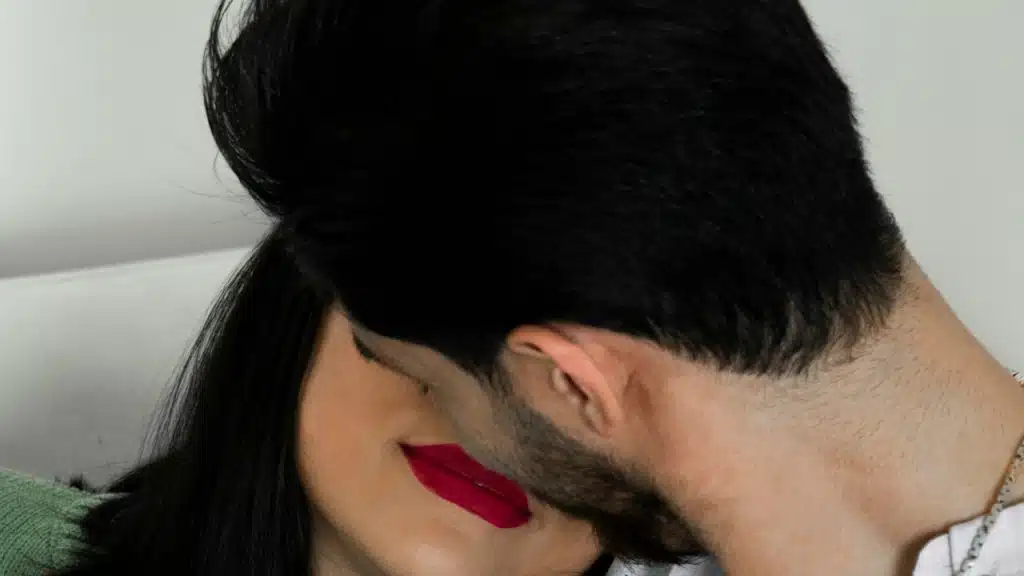
Many women in the rise of the social media era are trying to maintain their partners’ anonymity to protect their relationships from unwarranted criticism and scrutiny. They keep their love affairs private and even crop their partner out of the frame while sharing a moment spent together on their Instagram reels. This way, she can keep her connection genuine instead of seeking validation from strangers on the internet.
Fear of the Breakup Backlash

In the social media reign, it’s hard to move on from a breakup, as every picture you posted together and every post they tagged you in stays online. You have to announce relations online and then announce the end online as well. This gives people the chance to comment on your heartbreak, and you have to delete or archive mutual posts with them. The digital footprints are hard to hide. This is why the majority of women are choosing to develop connections completely away from the social media spotlight; this saves them from the mayhem that a digitally announced relationship creates if it fails.
Superstition, the Evil Eye, and Toxic Visibility

A lot of women see their partners as perfect, and posting them online would only invite envy and an evil eye, which might put a strain on their relationship. So, in order to shield their relationship from the negative energy from people who feel jealous of her joy, she prefers staying secretive.
When Partner Content Harms Your Personal Brand
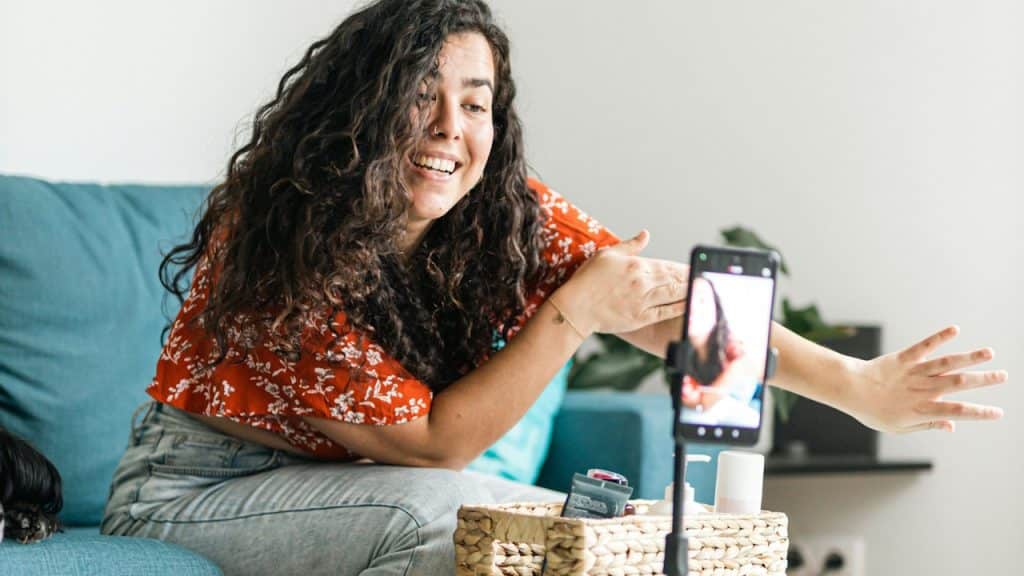
To some, not showing off their partner is less about being seen as single and more about strategy. This is especially true for women who have social media as their entire career and income source. These influencers and content creators may receive less engagement and interaction if all their posts are filled with couple romance. People want to see inspirational posts and advice from strong, independent women, not someone’s love story posted online.
Relationship as Performance vs. Reality
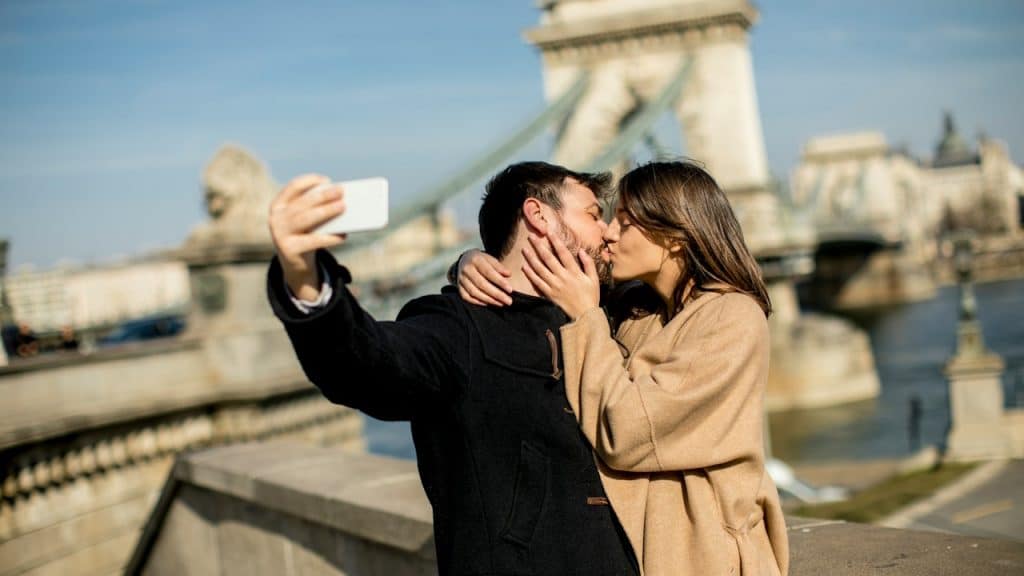
Social media has made relationships so superficial and hollow. Many couples act all lovey-dovey just to garner praise, views, and pitch PR packages from various brands, while in reality, their relationship crumbles under the weight of public attention and the pressure of pretense. Many women prefer real love and connection over the picture-perfect, Insta-reel-worthy fake display of love.
Beyond “Boyfriend Land”: Redefining Womanhood

Women in the past were expected to transition from singlehood to womanhood, where romance marked their success. Now, the women aren’t scared of breaking the stereotypes. They gain financial independence and personal growth before they settle down with someone. They don’t want their world to revolve around their romantic partner. She believes love should be an important part of her life, not her entire identity
Heterofatalism and the Politics of Being Straight
“Heterofatalism” is a satirical belief about heterosexual relationships, as women joke about all such relationships ending up in failure. The embarrassment of having a boyfriend is a comic take on evolving gender dynamics. It is basically a criticism of the imbalanced share of responsibilities in a different-sex couple, where women bear a major burden of responsibilities while men get away with most. It’s partly a coping mechanism; many women use heterofatalistic humor to deal with disappointment or social pressures around dating men. And not all women hate men.
Singlehood as the New Flex

In the past, rushing into a relationship happened often due to peer pressure, or your entire existence would be considered incomplete without a man in your life. The new age has ushered in a new era of women who take pride in prioritizing their own professional growth and mental and physical well-being. They are becoming more empowered and financially secure, so they don’t have to essentially lean on a man for emotional or financial support. They enter relationships on their own terms and embrace singlehood with honor.
Emotional Independence Over Dependency
Modern women put their mental health and identity at the top of their priority list. They don’t seek a relationship with a man solely to have their emotional needs met, even if it means giving up on parts of themselves. They build a relationship only when they feel ready for it, not out of necessity.
Digital Safety, Privacy, and Emotional Risk
Publicly posting your relationship status or partner’s pictures only calls for uncalled-for criticism, commentary, or even harassment. To ensure online safety, women maintain privacy around their relationship status and hide details about it as a way of self-protection.
The Backlash: Is This Just Clickbait?
Some people disagree with the idea that women are actually “embarrassed” to have boyfriends. They think it’s just blown out of proportion by the media just for the sake of views and attention. These critics say women aren’t ashamed of their relationship; they just don’t feel like putting it on display for the public online. This shows that what the media says and what women really feel are not exactly the same.
Loneliness vs. Autonomy
Experts in psychology suggest that alienating oneself from society or glorifying self-imposed isolation as freedom can be dangerous. Humans are built to long for deep connections. The right approach should have a perfect balance between dependence and autonomy, as an excess of either is detrimental to emotional health in the long run. The modern woman has cracked the code; she values her autonomy yet maintains space for a meaningful connection.
Imagining Healthier, Modern Relationships
Shifting the focus on equality, mutual respect, mutual growth, empathy, authenticity, and clear communication as tools for establishing a strong bond has changed the entire landscape of relationships in the modern age. Women get into healthy relationships without feeling the need to flaunt their connection.
Final Thoughts
The idea being sensationalized by the media that women are embarrassed of having boyfriends isn’t really true in the literal sense. Current relationships formed by women are based on self-worth, autonomy, privacy, respectful boundaries, equality, and are growth-oriented. So basically, women are not anti-boyfriend but anti-showoff or pro-self, where women are trying to break away from traditional performance culture, rigid timelines, or skewed expectations and are willing to disappoint the society to protect their own well-being.








Ask Me Anything