
Marriage is full of challenges, and sometimes your habits are the silent stressors in the relationship. You might think you are just relaxing, helping, or handling your own stress, but small everyday actions can quietly pile up. The tension builds without dramatic fights, leaving her drained or frustrated. These 15 points will help you see where you might be causing stress without even realizing it. The goal is to spot these habits and make small changes that ease tension and strengthen your marriage.
Making Decisions Without Consulting Her

Deciding alone about finances, schedules, or kids can feel controlling, even if intentions are good. She wants to be part of the process, not just follow instructions. Collaborative decisions reduce tension and make both of you feel like partners, not separate players. Asking first shows you value her input and perspective.
Showing Lack of Initiative at Home

Waiting to be asked to help with tasks or errands signals that the mental load is hers alone. Anticipating what needs to be done lightens her burden and shows partnership. Initiative communicates care without her having to ask. Small gestures of foresight make a huge difference over time.
Digital Distractions

Phones, TV, or games can pull you away when she needs attention. Even if she doesn’t complain, neglect makes her feel secondary. Setting aside focused time together strengthens the relationship and lowers stress. Unplugging occasionally proves you value her presence more than screen time.
Not Listening Fully

Half-paying attention during a conversation sends a clear message that her thoughts don’t matter. Even if you nod or respond, missing details can make her feel unheard. Over time, this creates a wall between you, where she stops sharing freely because she doubts you are truly present. Paying full attention when she talks shows respect and keeps small frustrations from turning into bigger ones.
Ignoring Emotional Cues

When she’s tired, irritated, or anxious, and you brush it off, misunderstandings happen fast. Emotional cues are her way of signaling that support is needed. Ignoring them adds pressure she silently carries. Checking in, even with a simple question or acknowledgment, reduces tension and makes her feel understood.
Procrastinating on Household Tasks
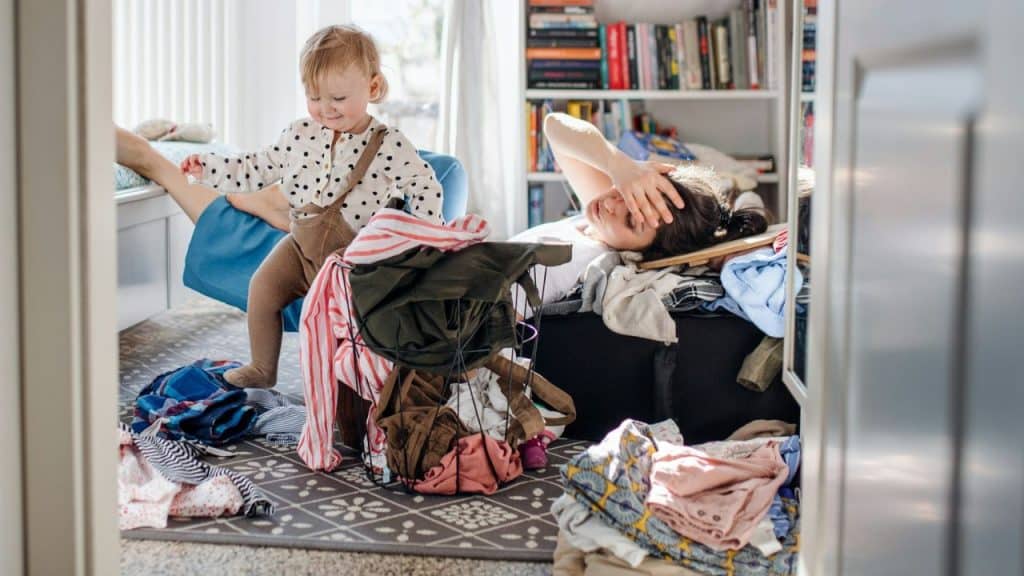
Leaving chores undone makes her feel like she’s juggling everything alone. Dishes, laundry, or fixing small issues may seem minor, but they pile up and weigh on her mind. Picking up your share without being asked shows responsibility and lowers daily stress. It also prevents resentment from building where it might not be obvious.
Being Overly Critical or Dismissive

Critique without empathy makes normal disagreements feel heavy. Pointing out mistakes or choices in a harsh tone chips away at patience quickly. Instead of improving anything, it creates a defensive environment. Framing feedback carefully keeps the household calm and communication open.
Neglecting Appreciation

Failing to notice her daily efforts leaves her feeling invisible. Compliments and thanks, even for small actions, prevent frustration from building quietly. A quick acknowledgment of what she does shifts the tone of the household. Appreciation is not optional; it’s a way to lower stress and strengthen connection.
Overcommitting Socially or Professionally

Constantly saying yes to events or projects leaves her managing schedules and responsibilities alone. Your overcommitment forces her to adjust plans or handle tasks without support. Learning to balance obligations protects her energy and preserves peace at home. Sometimes saying no is the kindest thing you can do for your marriage.
Poor Communication During Conflict

Avoiding fights or turning arguments into shouting matches makes problems linger longer. Conflict becomes exhausting instead of resolved. Talking through issues calmly, listening, and staying present reduces stress on both sides. Avoiding conflict altogether can actually make her feel more alone in dealing with problems.
Being Habitually Late or Forgetful

Repeated lateness or forgetfulness interrupts routines and increases daily stress. She might start doubting whether she can rely on you for simple plans. Staying organized, setting reminders, or just being mindful of commitments shows respect for her time. Reliability reduces tension before it even starts.
Failing to Manage Stress Personally

Bringing frustration home or venting without awareness adds tension instantly. She absorbs some of that stress, making it harder to relax or feel supported. Managing your stress before it reaches home protects your marriage from unnecessary strain. Calm responses and self-care habits show you are in control of your emotions.
Overlooking Health Habits

Poor sleep, diet, or exercise habits affect your mood and the energy of the household. Irritability, fatigue, or low motivation spills over to her daily life. Prioritizing health improves your mood, your energy, and the atmosphere at home. Healthy routines make stress in marriage less likely to accumulate.
Not Supporting Her Goals

Minimizing her ambitions or dismissing plans creates silent frustration. She wants a partner who encourages growth, not a critic. Supporting her projects, hobbies, or career pursuits signals equality and teamwork. Being on her side reduces tension and strengthens trust.
Avoiding Vulnerability

Not sharing feelings or struggles builds emotional distance. Without openness, she can feel alone even when you are together. Showing vulnerability fosters connection and makes it easier for her to communicate honestly. Emotional honesty reduces misunderstandings and makes the relationship feel balanced.








Ask Me Anything