
Intimacy rarely disappears because of one dramatic moment; it fades through tiny habits that go unnoticed. Men over 50 often overlook these signs because life becomes crowded with responsibilities, routines, and quiet emotional fatigue. What once felt natural between partners slowly shifts into something distant, muted, or predictable. Most men assume things are “fine” as long as there’s no major conflict, not realizing emotional closeness can deteriorate silently for years. By the time the changes are noticeable, the distance is often already deep. Recognizing these subtle patterns early can prevent a relationship from quietly dying while both people are still in it. Awareness is not criticism, it’s a chance to rebuild connection before it’s too late.
He Stops Checking In Emotionally Without Realizing It

Emotional check-ins become less frequent as routines take over, but this creates a slow disconnect. When he stops asking how she feels, what she’s carrying, or what’s troubling her, she begins to feel unseen. Many men don’t notice this shift because they assume stability equals satisfaction. Over time, she interprets the absence of curiosity as emotional distance. This small change becomes one of the first silent cracks in intimacy. Without emotional updates, the partnership gradually stops evolving. The relationship becomes familiar but no longer close.
Small Moments of Affection Become Rare Instead of Natural

Affection that once appeared effortlessly becomes sporadic or forgotten. A hand on her back, a hug from behind, or a simple touch becomes unusual rather than normal. Men often don’t realize that affection maintains connection more than words ever will. When physical affection fades, emotional closeness weakens quietly. She begins feeling more like a partner in routine than a partner in love. These missing moments accumulate into emotional emptiness. Intimacy fades not because of conflict but because warmth is no longer expressed.
He Assumes Her Silence Means Everything Is Fine

Many men over 50 misunderstand silence as peace rather than withdrawal. When she stops bringing up needs, frustrations, or opinions, it may not be contentment, it may be resignation. Silence is often the first stage of emotional distance, not harmony. Men frequently overlook this because avoiding conflict feels easier with age. Yet unspoken feelings turn into emotional gaps. Ignoring silence allows disconnection to deepen without anyone acknowledging it.
He Begins to Prioritize Comfort Over Connection

After decades of responsibility, comfort becomes a priority, but emotional comfort can turn into emotional complacency. Men may choose routine, quiet, and ease instead of intentional connection. What feels relaxing to him can feel like emotional neglect to her. Over time, she interprets his desire for comfort as lack of interest. The relationship loses the intentional behaviors that once kept intimacy alive. Comfort becomes an intimacy killer when it replaces effort.
He Stops Expressing Appreciation Because He Thinks She “Already Knows”

Many men assume long-term partners don’t need reminders of appreciation. But aging relationships rely heavily on expressed gratitude to stay emotionally warm. When appreciation disappears, she begins feeling invisible, even if he still values her. Men often overlook how deeply women need acknowledgment throughout the years. The absence of appreciation is not neutral, it erodes connection a little more each month. Intimacy isn’t lost suddenly; it fades through quiet emotional neglect.
He Uses Humor to Avoid Serious Conversations

Humor becomes a shield as men age, especially when uncomfortable topics arise. Instead of addressing emotional concerns directly, jokes and deflections take their place. While humor lightens moments, it also blocks intimacy when used excessively. Women interpret this as avoidance, not charm. The more he dodges emotional depth, the more distant she becomes. Over time, humor stops being endearing and starts being defensive.
He Doesn’t Notice When Her Tone Changes

Men often focus on the words spoken, not the emotional tone behind them. As intimacy fades, her tone grows flatter, shorter, or more guarded. These shifts are subtle but meaningful. Ignoring them makes her feel emotionally unheard. She begins to internalize silence instead of expressing needs. The lack of awareness creates gaps that deepen over time.
He Stops Sharing Parts of His Own Inner World

Many men withdraw emotionally as they age, believing vulnerability is unnecessary or burdensome. But when he stops sharing his thoughts, fears, or hopes, she loses access to the emotional version of him. She then becomes unsure of where she stands or how he feels. This quiet retreat makes intimacy feel one-sided. She feels shut out, even if he thinks he’s simply being independent. Emotional withholding slowly suffocates closeness.
He Lets Small Resentments Build Instead of Addressing Them

Men often avoid discussing frustrations to keep the peace, but holding them in creates emotional distance. Unspoken irritation shows up through short replies, changed expressions, or withdrawn energy. She senses the shift immediately, even if he thinks he’s hiding it. These subtle resentments create an emotional fog between partners. Over time, intimacy becomes coated in tension instead of openness. Avoidance becomes a silent intimacy killer.
He Doesn’t Adjust to Her Changing Emotional Needs

As relationships evolve, emotional needs shift, but many men stick to what worked years ago. What made her feel loved at 30 might not meet her emotional needs at 50. Men often miss these updates because they believe consistency equals commitment. But when her needs evolve and he doesn’t evolve with them, she feels emotionally abandoned. This mismatch quietly erodes connection. Emotional stagnation becomes a form of neglect.
He Treats Time Together as Routine Instead of Connection

Shared time becomes habitual rather than intimate. Whether watching TV, sitting at dinner, or doing chores, the moments feel functional instead of bonding. He may think presence is enough, but presence without engagement creates emotional distance. She begins longing for the version of him who was curious, attentive, and involved. Routine becomes a barrier instead of a comfort. Intimacy dies when connection stops being intentional.
He Assumes Physical Intimacy Will Stay the Same Without Emotional Effort

Men over 50 often underestimate how emotional closeness fuels physical closeness. When emotional connection fades, so does desire, responsiveness, and warmth. If physical intimacy begins feeling distant, awkward, or inconsistent, it’s rarely about attraction, it’s about emotional neglect. The less he engages emotionally, the more she withdraws physically. Many men don’t realize this until the disconnect is deep. Intimacy requires emotional maintenance, not just physical accessibility.
He Confuses Stability With Emotional Fulfillment

Years of routine can create a false sense of security. Men often assume that because life is stable, the relationship is strong. But stability without emotional engagement becomes monotony. She may feel emotionally starving in a relationship that looks solid on the outside. This misunderstanding blinds men to early signs of disconnection. Intimacy doesn’t survive on stability alone; it thrives on emotional presence.
He Uses Distraction as a Coping Mechanism

Work, hobbies, screens, and routines become comfortable escapes from emotional vulnerability. Distraction feels harmless at first, but it gradually takes the place of intimate connection. She feels secondary to everything he’s absorbed in. Over time, she interprets his distractions as emotional disinterest. This shift often goes unnoticed until the emotional distance is undeniable.
He Stops Giving Reassurance Because He Thinks She Doesn’t Need It Anymore
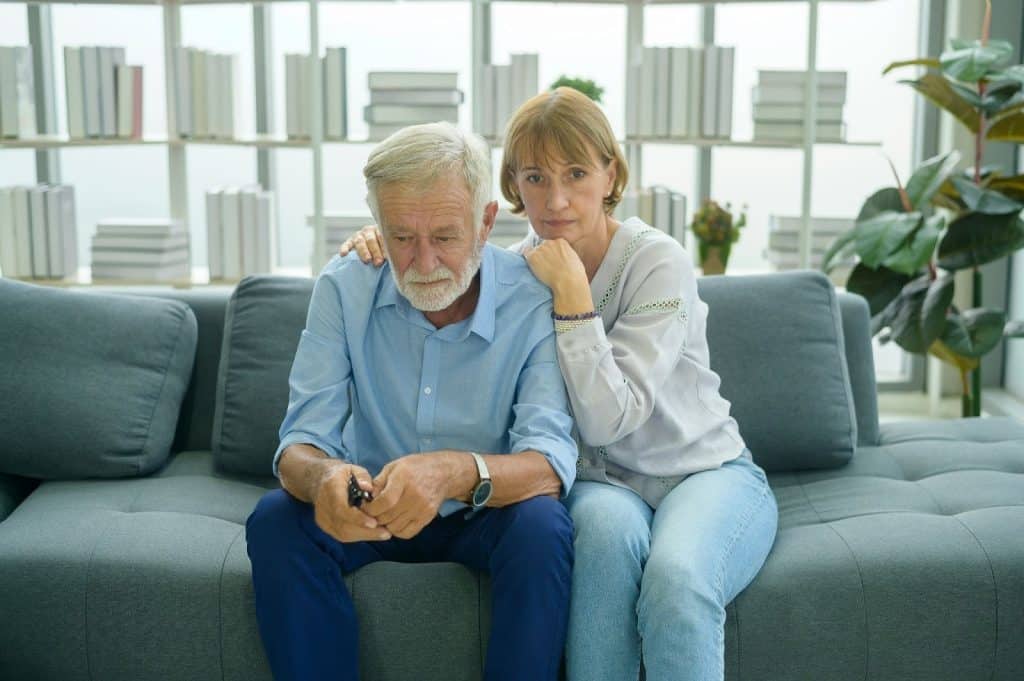
Men over 50 often assume long-term partners no longer need verbal security. But reassurance remains essential for emotional closeness at every age. When he stops offering it, she feels more uncertain, less valued, and less connected. Small moments of reassurance maintain emotional safety. Without it, intimacy becomes fragile. His belief that “she already knows” becomes a silent intimacy killer.
He Lets Communication Decline Into Short, Surface-Level Exchanges

As emotional energy wanes, conversations shrink into logistics. The disappearance of deeper communication signals the beginning of emotional distance. She misses meaningful dialogue, shared dreams, and personal stories. When communication is important, so is intimacy. This shift isn’t loud, but it’s powerful. The relationship becomes a partnership of tasks instead of hearts.
He Doesn’t Notice When She Stops Turning Toward Him Emotionally
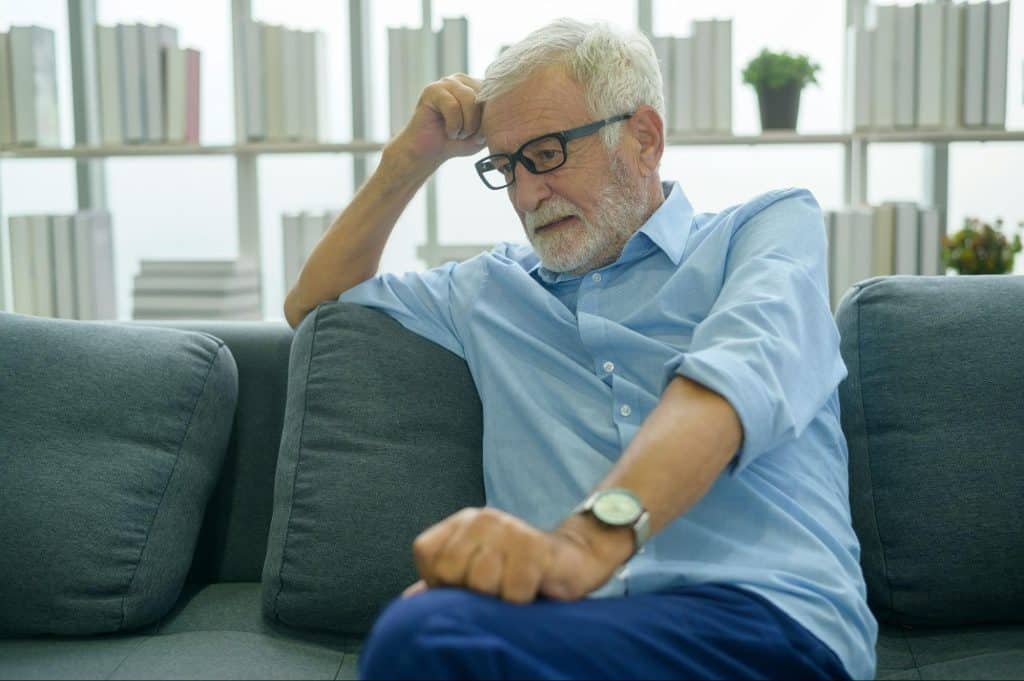
One of the strongest signs intimacy is fading is when she stops seeking him for comfort, guidance, or emotional release. She begins managing everything internally or turning to others. He often doesn’t notice because the absence feels easier than the presence once did. But this shift marks a major relational turning point. When she stops turning toward him, intimacy has already thinned. By the time he realizes it, the distance is often wide.
Conclusion, Intimacy Dies in Silence Long Before Anyone Says a Word

These silent intimacy killers rarely feel dramatic in the moment, but together they reshape the emotional landscape of a long-term relationship. Men over 50 often overlook them because they happen gradually, quietly blending into daily life. By the time the signs become visible, the emotional distance may already feel overwhelming. Recognizing these subtle patterns early offers a chance to rebuild connection before it slips too far away. Intimacy survives through awareness, presence, and intentional emotional engagement. Paying attention now can preserve what silence slowly destroys.








Ask Me Anything