
You’ve been burned before. Maybe infidelity, lies, or something more subtle. And now that you’re dipping your toes back into the dating pool, you’re not the same guy you were before.
You’re sharper, more cautious, and honestly, a little paranoid. After what happened, you look for red flags, subtle and not-so-subtle. But wanting to stay safe means you know your worth.
Transparent Communication

You always notice how she talks. If she’s open about her former relationships, her mistakes, or where she’s come from, you feel she’s less likely to hide something big later. You pay attention when she answers honestly, even if it’s uncomfortable. That transparency builds a foundation for trust.
Consistent Actions Over Time

You watch what she does. Someone who tells you they care but ghosts texts when it’s inconvenient is a red flag. You need consistency in her words, schedule, and the way she treats you. Over time, her follow-through (or lack of it) reveals a lot more than charm or flirtation ever will.
Respect for Your Emotional Boundaries

After betrayal, you know your limits. You won’t let someone push you into things you’re not ready for. You won’t tolerate someone crossing your emotional lines. You test gently: how does she react when you say you need space? How does she handle vulnerable moments? If she respects your pace, that’s huge. She understands your healing is ongoing.
Healthy Independence

You don’t want someone who’s too clingy, but you also don’t want someone emotionally distant. What you trust most is a woman who has her own life, goals, friends, interests, and isn’t relying on you to fill some void. That kind of independence shows she’s grounded, and you’re less likely to feel like she’ll lean on you in toxic ways later.
Emotional Stability and Regulation

You’re hyper-aware of emotional turbulence now. Someone who flies off the handle, or shuts down completely under stress scares you. You observe how she handles conflict, talks about her past emotional wounds, and whether she’s doing the work to regulate herself. You need a partner who can communicate in her calm moments.
Honesty About Finances

This one hits different when you’ve been betrayed because financial dishonesty is a betrayal too. Whether it’s hidden credit card debt, secret spending, or vague explanations about money, you watch for signs she’s upfront about her financial life. Trust-building means sharing not just your feelings, but the ledger too.
Willingness to Be Vulnerable

After betrayal, you’re rebuilding trust, and vulnerability is the test. Does she let you in, share her fears, admit her mistakes? That kind of vulnerability is rare but powerful. When she’s willing to be real about her insecurities, it shows she believes in a future where both of you can grow.
No Defensive Lie Patterns

You’ve become a lie detector of sorts. If she dodges questions, minimizes issues, or reacts defensively when you ask something small, you pay attention. It’s self-protection. A pattern of defensiveness could mean she’s hiding things, or at least that she’s not comfortable being fully honest.
Respect for Boundaries Around Technology

After being hurt, you don’t just give away your phone or social media logins, and you want someone who understands that. Boundaries around texting, phone access, and social sharing matter. Research shows that negotiated transparency (like access to devices) is a big indicator of mutual trust. You watch for how she responds when you set those limits.
Empathy When You Talk About Your Past

When you bring up your betrayal, you want someone who gets it, someone who doesn’t dismiss your pain or act like it’s irrelevant. Her emotional response matters: does she listen without judgment? Can she hold space for your anger, your sorrow, your confusion? That empathy tells you she cares.
Secure Attachment Style
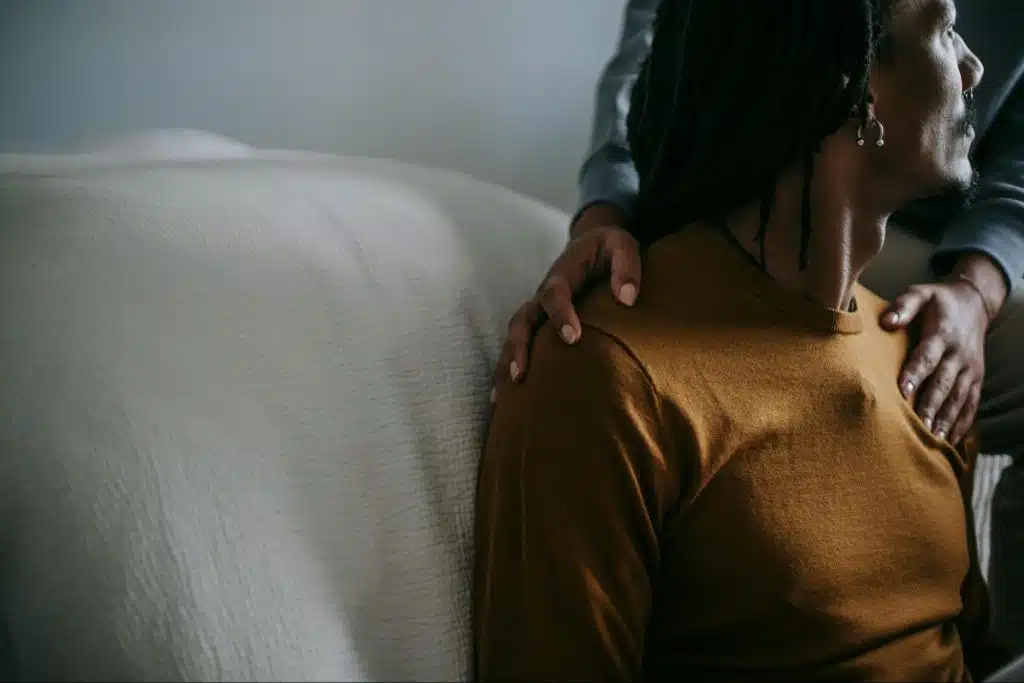
Betrayal often messes with trust and intimacy, and you’re more likely to be attracted (or at least cautious) toward someone with a secure attachment. Studies show that insecure or anxious attachment can make trust more fragile. You watch if she seems comfortable with closeness without being clingy, and if she respects your need for space without withdrawing completely.
No Traumatic Bonding and Drama Cycles

You’ve learned what toxic cycles feel like. If she’s been in wildly dramatic relationships, or if she seems to attract high-conflict partners, you pause. Patterns of trauma bonding, where intermittent reward and punishment create weird addictive ties make you wary. You’re looking for stability.
Willingness to Do the Work
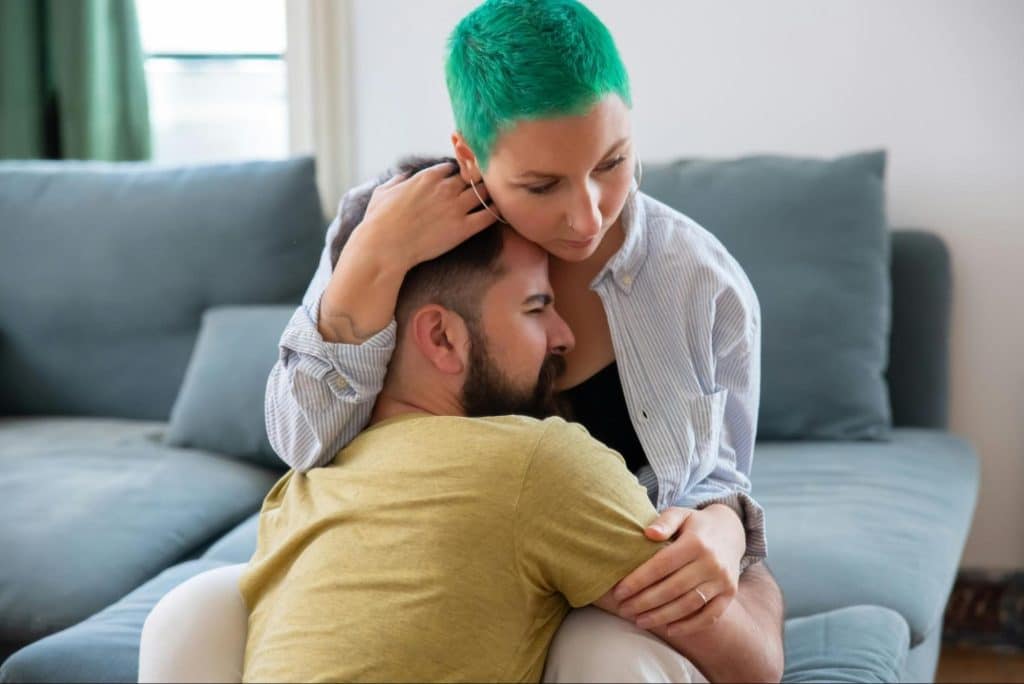
Trust is earned especially when you’ve been betrayed. You want a woman who understands that, who’s willing to go to therapy, to communicate, to rebuild with you. You want proof in actions. Rebuilding trust often involves risk, but if she’s ready to come with you, that’s huge.
Loyalty in Big and Small Moments

Betrayal doesn’t always come in grand gestures. Sometimes it’s little things: not keeping promises, flaking when it matters, or bending the truth in small ways. You pay attention to how she shows up, what she commits to, and whether she honors her word. Loyalty is reliability.
Respect for Your Healing Process

You’re watching whether she respects that you’re not “brand new guy.” You don’t expect to jump in and forget everything. You watch for patience, acceptance, and real care for how trauma shaped you. A woman who respects your healing journey is someone who honors you.








Ask Me Anything