
You love your wife, but some days it feels like you’re on your own. You’re in the same house, sharing a life, but the connection isn’t there. Conversations feel empty, affection fades, and small gestures of closeness disappear. You don’t have to be ashamed—this happens to a lot of men. These 19 moments show when loneliness shows up in marriage to help you understand and how to respond with honesty and maturity.
When You’re Only Needed for Tasks, Not Connection

Being treated primarily as the problem-solver or fixer can leave you feeling like a tool rather than a partner. When your role becomes limited to errands, chores, and logistics, emotional connection often disappears. You may notice conversations are purely functional, and intimate moments are scarce. Feeling useful but unseen can quietly deepen loneliness and make you question your place in the relationship.
When She’s Present in the Room but Mentally Elsewhere

Being physically together but mentally absent can feel worse than being alone. You might share space, meals, or TV time while feeling invisible. The disconnect isn’t always loud; it’s in the small moments of disregard or distracted attention. Experiencing this regularly fosters quiet loneliness that creeps into daily life.
When Affection Feels One-Sided or Transactional

Physical closeness can stop being about shared connection and start feeling like a routine obligation. When affection is mostly given, not received, it can feel empty and mechanical. The simple gestures that once meant comfort now highlight distance. Over time, this imbalance teaches you to hold back your own expressions of warmth.
When Your Concerns Get Brushed Off Instead of Heard

Repeated dismissals, even small ones, can make you start doubting whether your thoughts matter at all. When concerns get ignored or minimized, the emotional distance grows without either person realizing it. You might catch yourself holding back because it feels pointless, or feeling frustrated that no one is truly listening. Over time, this quiet neglect can turn into a sense of isolation where you wonder if your voice has any weight in the marriage.
When You Can’t Express Stress Without Feeling Like a Burden

Hiding struggles to avoid upsetting your partner adds layers of loneliness. Stress becomes private, and relief is rare. You may bottle up feelings to maintain peace, while silently craving connection. Over time, the inability to share openly makes marriage feel emotionally shallow.
When Intimate Conversations Disappear Completely

Intimacy is more than sex. Losing the ability to talk about hopes, fears, or daily experiences can leave a huge gap in connection. Silence or surface-level chats replace deep conversations, leaving you with a sense of emptiness. You might try to start talks, but when they go unanswered or brushed aside, you feel increasingly alone even when sitting side by side.
When You’re the Only One Initiating Plans or Date Nights

When the effort to maintain the relationship falls entirely on you, it can weigh heavily on your emotional energy. Planning outings, dinners, or small surprises without reciprocation creates a quiet resentment. You might start wondering if your spouse values the connection as much as you do. Carrying this alone often amplifies feelings of isolation and frustration.
When Conflict Becomes Something She Avoids or Shuts Down

Unresolved issues create tension that never disappears. When disagreements are met with withdrawal or shutdown, you’re left with lingering stress and unanswered questions. Problems stack up silently, making it harder to feel like a team. Over time, avoidance replaces resolution, and your sense of partnership erodes.
When She Makes Decisions Without Consulting You

Feeling shut out of choices, big or small, can signal that your voice isn’t valued. When she plans trips, finances, or household changes alone, it reinforces emotional separation. You might begin questioning your role as a partner. That sense of exclusion quietly intensifies feelings of aloneness.
When You Carry All the Financial Pressure Without Acknowledgment

Being the primary provider comes with stress, but a lack of recognition intensifies isolation. When your efforts go unseen, financial responsibility feels like a solo burden. You may experience frustration or resentment, wondering why the partnership doesn’t include emotional support alongside practical contributions. This imbalance quietly deepens the sense of being alone.
When She Vents but Never Asks How You’re Doing

Emotional support should flow both ways, but when it doesn’t, it can feel one-sided. Listening endlessly without being heard yourself can make you retreat. You might stop sharing struggles or concerns to avoid feeling invisible. Over time, the lack of mutual care reinforces a sense of emotional loneliness.
When Intimacy Fades Without Any Real Conversation About It

Sexual connection often mirrors emotional closeness. When intimacy diminishes and no one talks about it, confusion and rejection settle in. You can feel unwanted or unimportant without clear answers. This silent withdrawal makes loneliness tangible and personal, not just circumstantial.
When Everything Turns Into Criticism, No Matter What You Do

Constant critique transforms routine life into a minefield. Even well-intentioned actions can feel like failure under scrutiny. Over time, you may stop trying altogether to avoid judgment. The emotional distance created by relentless criticism is subtle but powerful, isolating you in your own home.
When Your Hobbies or Interests Get Dismissed

Passions and personal pursuits are part of identity. When they’re belittled or ignored, it signals that your inner life doesn’t matter. You may withdraw from activities or stop sharing them to avoid dismissal. This silence reinforces the gap between your life and the relationship you hoped for.
When Parenting Becomes Two Separate Worlds
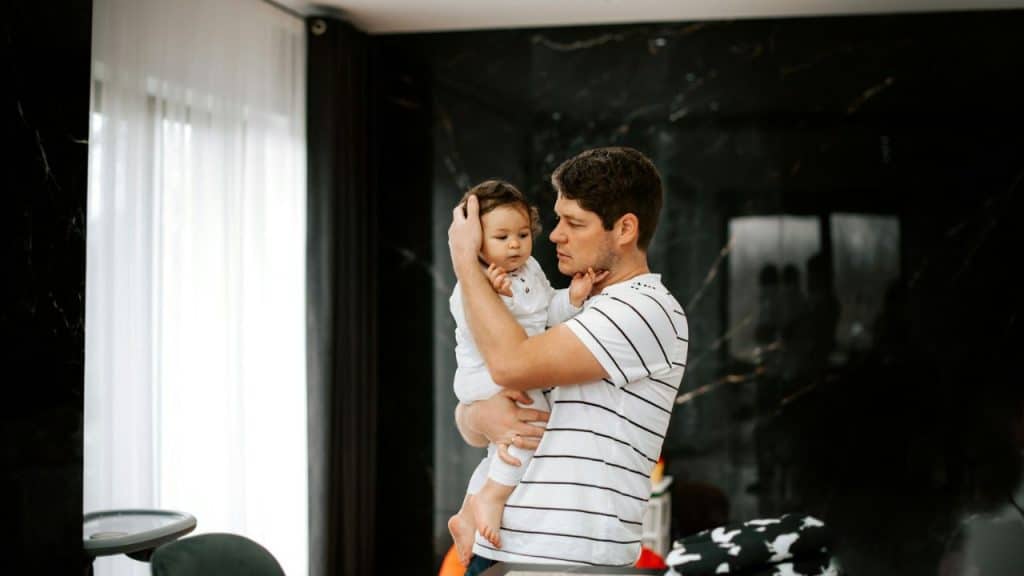
Different approaches to raising children or handling responsibilities can make the partnership feel split. Parenting together is meant to unite, but separate methods often highlight distance. You may feel like a spectator rather than a co-parent. Isolation grows when collaboration is missing in this core area of life.
When She Bonds More With Friends or Family Than With You

When her attention and energy go outward, it can feel like exclusion. Observing closeness with others while feeling sidelined fuels a sense of invisibility. You start questioning your role and the depth of your connection. The emotional void grows quietly, often without confrontation.
When Small Daily Interactions Turn Robotic

Routines can create efficiency but not closeness. Greeting each other, meals, and small talk may feel like repetition rather than connection. You may notice laughter, warmth, or curiosity vanish from daily life. The pattern reinforces the reality of being together yet alone.
When You Feel Like You’re Walking on Eggshells

Self-censorship to avoid conflict creates tension and stress. Conversations feel guarded, and spontaneous moments are rare. You may stop sharing feelings or opinions to keep the peace. Constant vigilance increases isolation, making the home feel like an emotionally dangerous place.
When You Realize You’re Lonelier Inside the Marriage Than Alone
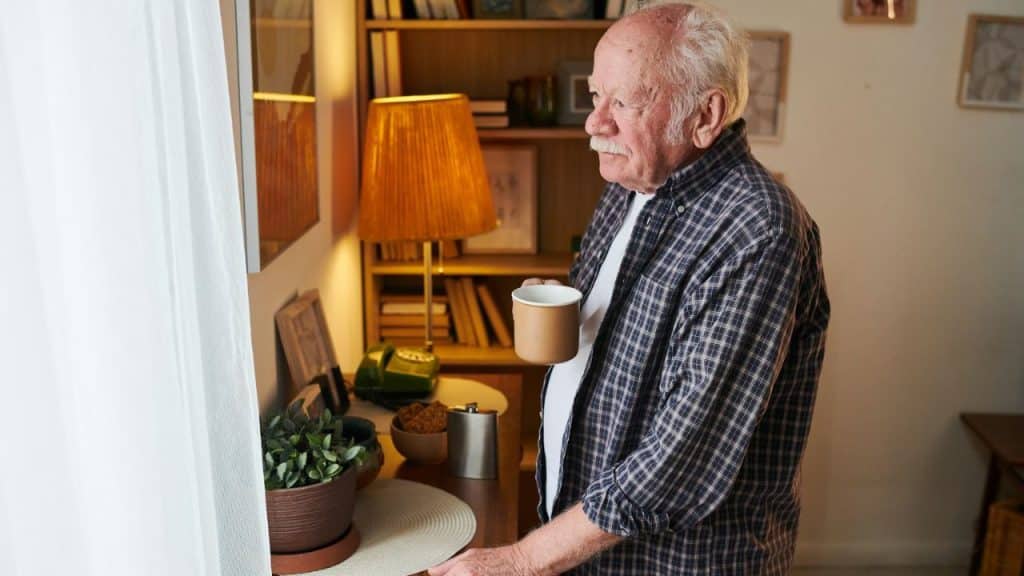
At some point, you might notice the emptiness inside the relationship is deeper than the solitude you once feared. The emotional void becomes undeniable and heavy. Recognition of this loneliness can hurt, but also clarify what needs attention. Facing it honestly allows you to choose whether to bridge the gap or protect yourself emotionally.








Ask Me Anything