
You think you’ve got more time. You believe things will change “later.” You assume you’re doing all the right things, but somehow she’s growing distant, the spark’s fading, and that safe woman you once took for granted could slip away. Romantic regrets are among the most persistent human emotions, especially for men.
The “I’ll Fix It Later” Phase (Week 1–4)

You hear it all the time: “I promise I’ll change.” But, those changes stay in the future, and she notices. You keep saying you’ll read the book, schedule the talk, and handle the issue, but you don’t. Not addressing red flags early on is one of the main sources of regret. You’re giving yourself a grace period that she doesn’t sign up for.
The “I’m Busy” Phase (Month 1–3)

Your career got hectic. Your kids needed attention. Life obligations piled up. Meanwhile, she sat across the dinner table feeling invisible. Studies show that reflective listening or simple sentences like “I hear you” or “Help me understand…” is the strongest tool in avoiding relationship disaster. She needs you emotionally present.
The “Same Dinners, No Conversation” Phase (Month 3–6)

You still come home on time, sit at the table, but your conversations are now “How was your day?” to “Fine.” Complacency sets in. Relationship dissolution is one major contributor to breakups is quiet disconnection or emotional withdrawal without drama. She begins to feel like a roommate.
The “I’ll Change My Habits” Phase (Month 6–9)

So you decide: “Ok, I’ll get off social media. I’ll stop working late.” But you don’t. Because habits are harder than intentions. The anticipation of regret often prevents people from making changes, and the lack of regret anticipation leads to impulsive, self-destructive behaviour. She’s looking for consistency.
The “I’m Not Feeling It” Phase (Months 9–12)

You avoid touch. You don’t initiate. Intimacy becomes “when it happens,” not “let’s make it happen.” But lack of desire is a symptom, not the cause. Women sense when you’ve checked out emotionally.
The longer you drag this phase, the more she checks out, too. This is where the “good woman” begins to think: “Maybe he’s done.” And if she does, you’ll ask yourself later: Why didn’t I care when I still could?
The “We’re Just Friends” Phase (Year 1–Year 1.5)

You’ve been together long enough that kids know your routines, family dinners feel automatic, and you’ve slipped into comfort. Comfort quickly turns into complacency. A safe woman isn’t the same as a desired woman. If you stop flirting, exciting, and evolving, you’ll become her access point for weekend routines.
The “She Deserves Better” Phase (Year 1.5–Year 2)

You tell yourself she deserves someone who travels with her, surprises her, and understands her moods. Maybe you blame yourself for not being that man. The fantasy version of you they deserve becomes your excuse to bow out instead of step up. Regret studies say people regret what they didn’t do more than what they did.
The “I’m Done Trying” Phase (Year 2–Year 2.5)
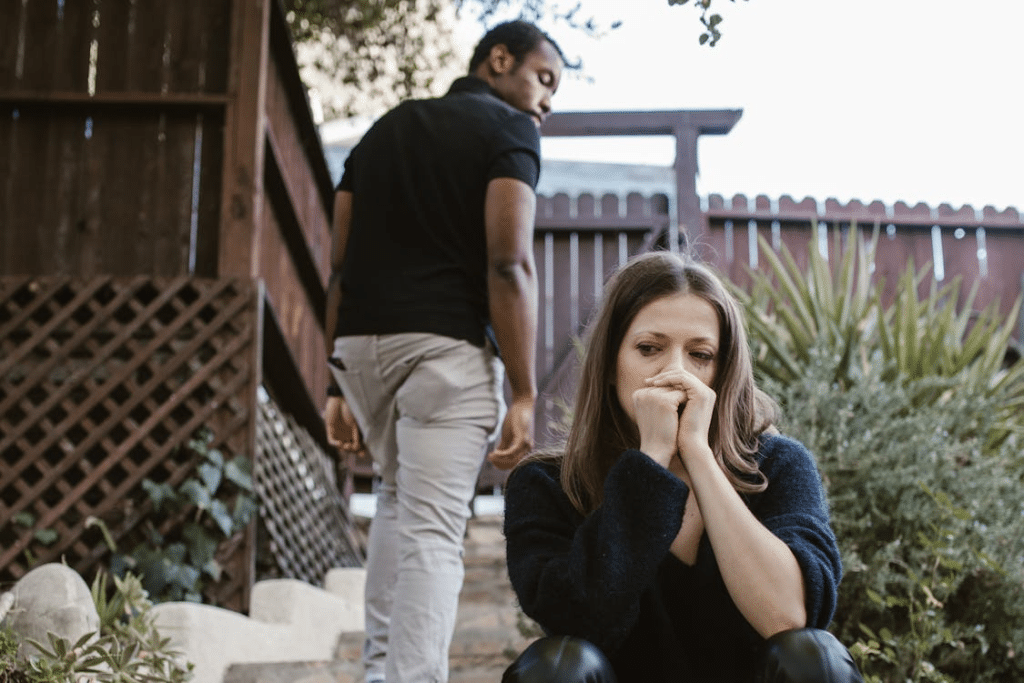
Frustration sets in. You’ve tried things, she’s complained, nothing changed. So you give up. Your mask of composure cracks. You drop subtle jabs. Your tone becomes sarcastic. Relationships fail primarily because of poor communication.
The “I’m Just Happier Alone” Phase (Year 2.5–Year 3)

You say: “If this is how it’s going to be, I’m better off solo.” And she hears it. What you mean by “happier alone,” she hears as: “I don’t choose you.” The desire to avoid conflict is understandable. But avoidance equals emotional exile. If you’re gone in spirit, you’re gone in value. And regret will blossom when cafés feel emptier without her.
The “I Found Myself” Phase (Year 3–Year 3.5)

You start posting gym selfies, weekend trips, and solo hobbies. It looks like self-growth, and it might be. But she sees it as you waking up only after she gave up. You’re doing it after your relationship expired, not while you were in it. People often regret ending relationships too soon, especially when they realize they were the cause.
The “I’m Ready to Date” Phase (Year 3.5–Year 4)

You tell yourself you’re open, you’ll date again, and you’ll find someone new. But when you still carry the guilt, emotional baggage, or the belief you messed up, you magnetize for women who echo your regret instead of respecting your growth. If you don’t clean the slate properly, you’ll wake up a year later, looking back and thinking: Why did I start again so soon?
The “She’s Seeing Someone Else” Phase (Year 4–Year 4.5)

You flick through her social posts, you notice her laughter that’s no longer yours to hear. She’s stepping into the version of life you refused to build. The regret hits fast. You’ll remember how you said, “We’ll do that later,” and it didn’t come. At this point, romantic regret “sticks with people,” especially men.
The “Our Friends Ask If I’m Still Single” Phase (Year 4.5–Year 5)

You get the look from your group of friends, the silent one that says, “So… what happened?” You used to be “you and her.” Now you’re “just you.” And you’ll realize you traded presence for avoidance. When conversations become about what you should have done, you’ve crossed into regret territory.
The “I Regret the Small Things” Phase (Year 5–Year 5.5)

No big fight. No dramatic breakup. Just those small moments: the “I’m here” unspoken, the hand you could have held, the surprise coffee you skipped, the apology you tucked away.
People regret what they didn’t do more than what they did. You’ll remember how you didn’t see her when she needed you.
The “I Could Have Saved It” Phase (Year 5.5–Year 6)

You start replaying conversations, moments when you could have said “I’m sorry,” when you could have stayed, when you could have changed. That “if only” territory is the regret zone. According to the research lab at Miami University, relationships produce the most enduring “what-if” regrets because they involve ongoing goals.
The “I’ll Never Find Her Again” Phase (Year 6+)

You look back and see the version of yourself who had something rare. A grounded, loving woman. She didn’t leave because of a remake. She left because you stopped showing up. That’s the final timeline. It’s just quiet. Regret over lost love can last a lifetime. The “coulda-woulda” settles in.








Ask Me Anything