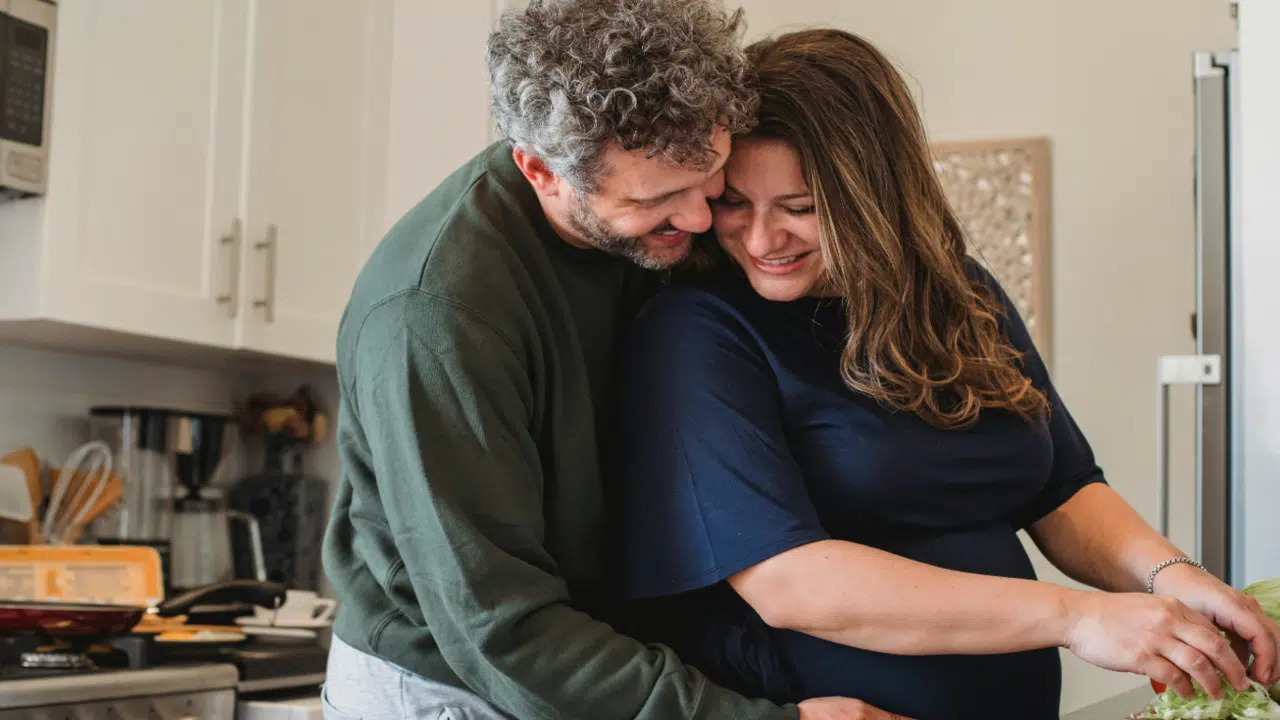
Marriage isn’t just about choosing the right person–it’s about continuing to choose them over time, especially when life gets busy, stressful, and complicated. The happiest couples understand that small habits, left unchecked, can slowly chip away at intimacy and trust.
So instead of waiting for issues to blow up, they get ahead of them. They communicate early, choose curiosity over defensiveness, and protect the relationship the way you’d protect anything valuable: consistently and intentionally. These are the common mistakes they avoid–and how you can avoid them
Avoiding Difficult Conversations

Happily married couples understand that silence isn’t peace–it’s just postponed conflict. Instead of burying resentment, they tackle hard topics early and often. This doesn’t mean arguing constantly; it means creating a safe space where frustration can be expressed without fear of punishment. They ask clarifying questions, explain their emotional experience, and avoid sweeping statements that put the other person on the defensive. If something feels uncomfortable, that’s usually a sign it needs attention, not avoidance. Speaking up can feel risky, but not speaking up eventually costs more.
Expecting Your Partner to “Just Know”

Even strong couples fall into the trap of assuming love makes you mind-readers. But in reality, expectations only work when they’re spoken clearly. Happy marriages thrive on direct, respectful communication–what you need, what you hope for, and what doesn’t sit right with you. They don’t rely on hints, guilt, or passive-aggressive comments. Instead, they make their needs easy to understand and even easier to meet. Being transparent doesn’t make you demanding; it makes the relationship functional.
Letting Friendship Slide

The happiest couples aren’t just romantic partners–they genuinely like each other. Friendship is the foundation that carries you through dull days, tough seasons, and inevitable stress. When couples stop laughing together, stop sharing small joys, or stop checking in, the relationship begins to feel transactional. Happily married partners make time for inside jokes, shared hobbies, and tiny moments of fun that keep the bond alive. They treat their spouse like their favorite person, not just the person they happen to live with.
Keeping Score

Scorekeeping makes every argument feel like a courtroom trial instead of a partnership. When you’re tallying who did what, who apologized last, or who sacrificed more, resentment becomes the referee. Happy couples choose teamwork over tally marks. They acknowledge mistakes without weaponizing them, and they give grace without demanding repayment. Instead of “you owe me,” it becomes “we’ll figure it out together.” That shift alone transforms conflict into collaboration.
Neglecting Physical Affection

Physical touch is one of the easiest ways to maintain closeness–and one of the easiest to forget. Over time, routines change, stress builds, and affection can quietly slip away. Happy couples don’t rely solely on grand gestures; they prioritize small, everyday touchpoints like hugs, hand squeezes, cuddling on the couch, or greeting each other warmly at the end of the day. Affection works like emotional glue: it keeps you connected even when words fall short.
Letting Everyday Stress Spill Into the Relationship

Stress is unavoidable–but dumping it onto your partner is. Happily married couples learn to separate external stress from their internal connection. That means expressing overwhelm without projecting blame, and asking for support instead of snapping or shutting down. They recognize that stress makes people behave out of character, so they create space for decompression rather than taking everything personally. Emotional maturity here pays huge dividends.
Making Your Partner Responsible for Your Happiness

Happy couples know their partner can add to their happiness, but not manufacture it. They avoid the trap of relying on one person to meet every emotional, social, and psychological need. Instead, they maintain friendships, hobbies, and self-care routines that support their own well-being. This reduces pressure on the marriage and allows partners to show up as whole people, not drained or resentful versions of themselves.
Letting Technology Replace Connection

Phones, tablets, and TVs quietly erode intimacy when they become default companions. The happiest couples create intentional tech boundaries–no phones during dinner, designated device-free time, or simple habits like putting screens away when someone is talking. These small choices reinforce a bigger message: “You come first.” It’s not about cutting technology out, but keeping it from crowding each other out.
Dismissing Each Other’s Feelings

You don’t have to agree with your partner’s feelings for them to be valid. Happy marriages avoid the knee-jerk habit of minimizing emotions–“you’re overreacting,” “it’s not a big deal,” or “you’re too sensitive.” Instead, they practice emotional attunement: recognizing how the other person feels, asking follow-up questions, and responding with empathy even when confused. Feeling understood is a form of intimacy no grand gesture can replace.
Forgetting to Express Appreciation
Over time, gratitude becomes assumed instead of expressed–and that’s how partners begin feeling invisible. Happily married couples say “thank you” for small daily contributions, acknowledge effort, and remind each other that they are valued. Appreciation doesn’t cost anything, but it pays off by creating a positive lens through which each partner views the relationship. Couples who feel appreciated fight less and connect more.
Ignoring Early Warning Signs

Little issues–recurring arguments, changes in behavior, drops in affection–don’t disappear on their own. Happy couples catch small cracks early before they turn into structural damage. They don’t wait for a meltdown to address patterns that feel off. This proactive approach keeps resentments from building and creates a relationship where concerns are dealt with promptly instead of festering.
Over-Relying on Routine

Routines create stability, but too much routine creates monotony. Happily married couples make room for novelty–trying new restaurants, planning surprise dates, learning hobbies together, or even just changing up the weekend schedule. Novelty reignites dopamine, helps create new shared memories, and keeps the relationship from feeling stale. Predictability shouldn’t come at the cost of excitement.
Failing to Repair After Arguments

Conflict isn’t the problem–failing to repair afterward is. Happy couples don’t let arguments linger like emotional fog. They apologize sincerely, clarify misunderstandings, and reaffirm their commitment before moving forward. A repair attempt is simply an act that says, “We’re on the same team even when we disagree.” The quicker couples repair, the stronger their resilience becomes.
Neglecting Individual Growth

A marriage grows when the individuals in it grow. Happily married partners pursue personal development–emotionally, professionally, physically, or intellectually. They support each other’s goals and celebrate progress, knowing that stagnation in one person affects the entire relationship. Growth creates fresh conversation, renewed motivation, and a sense of momentum that keeps the marriage vibrant instead of stagnant.
Comparing Your Relationship to Others

Comparison creates insecurity, resentment, and unrealistic expectations. Happy couples avoid measuring their marriage against curated online versions of other people’s lives. They understand that every relationship has its own rhythm, strengths, and challenges. Instead of comparison, they focus on building habits that strengthen their unique bond–not someone else’s highlight reel.
Not Spending Quality Time Together

Being in the same house isn’t the same as being connected. Happy couples carve out intentional time together–date nights, shared rituals, weekly check-ins, or morning routines. Quality time reinforces the partnership and reassures both people that they matter. It’s not about the quantity of hours, but the presence and attention within those hours.
Underestimating the Power of Small Kindnesses

Grand gestures may make great stories, but day-to-day kindness is what makes a marriage feel safe. Little acts–brewing your partner’s coffee, taking over a task without being asked, or offering encouragement on a tough day–build emotional goodwill. Happy couples treat kindness as a lifestyle, not a special occasion. Over time, these small efforts create a relationship steeped in care.
Forgetting You’re a Team

At the end of the day, the happiest marriages operate with a simple guiding principle: you’re on the same side. They avoid speaking to each other like adversaries, especially during conflict. Instead, they frame issues as shared problems requiring shared solutions. This mindset shifts the energy from “me versus you” to “us versus the challenge.” When couples move as a united team, everything becomes easier to navigate–even the hard stuff.








Ask Me Anything