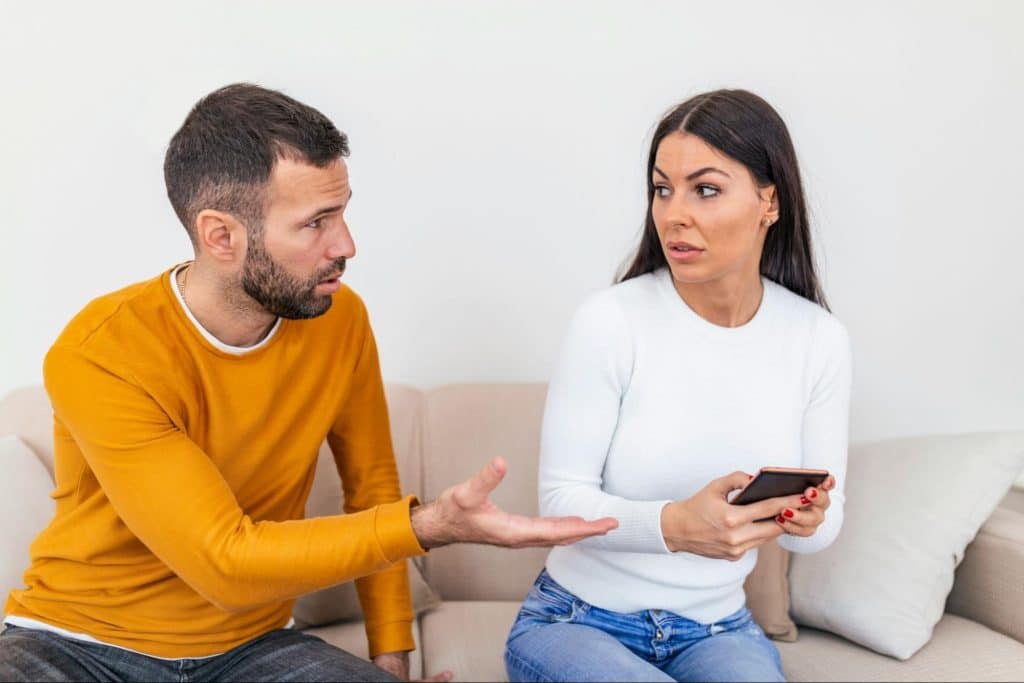
Respect is the foundation of any long-term partnership, and when it begins to erode, the shift rarely starts with open conflict. Instead, it appears in subtle behaviors, tone changes, small dismissals, or emotional indifference that grows over time. These changes aren’t always intentional, but they reveal a deeper shift in how a wife sees her husband. Most men feel the shift long before they understand it, sensing a different energy in conversations, decisions, and daily interactions. This introduction explores the behaviors that quietly signal a loss of respect, even when the words are never spoken.
Her Tone Becomes Sharper, Even During Small Conversations

Tone reveals more than words ever do, and it often changes before behavior does. When respect fades, conversations develop a quiet edge, impatience, irritation, or condescension. Even neutral topics feel heavier because the emotional temperature has shifted. She responds quickly, abruptly, or without warmth, as if basic communication requires too much effort. This subtle tone shift becomes one of the earliest indicators that admiration is slipping.
She Begins Ignoring His Opinions During Decisions
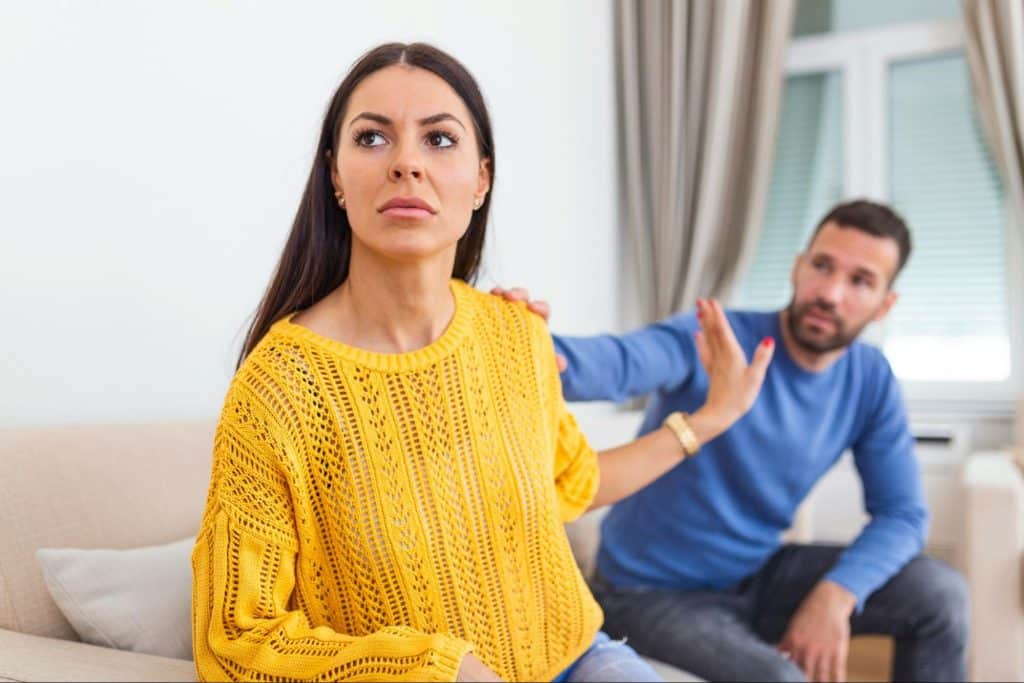
When respect is intact, a wife naturally considers her husband’s thoughts on decisions both big and small. But when that respect fades, his input becomes optional, or worse, irrelevant. Plans are made without him, choices are finalized without discussion, and his perspective is treated as an afterthought. Over time, this creates an emotional divide that feels unmistakable. Decision-making becomes a clear window into changing dynamics.
She Rolls Her Eyes or Shows Annoyance Without Hiding It

Eye-rolling, dismissive sighs, or irritated gestures replace genuine engagement. These expressions communicate disdain without needing words. They show emotional withdrawal masked by habit. A quiet sense of superiority forms, creating an atmosphere where he feels belittled even when she doesn’t intend obvious harm. Nonverbal contempt often speaks louder than arguments.
She Corrects Him Publicly Instead of Supporting Him Privately

What once would have been discussed in private becomes openly criticized in front of others. Correction replaces partnership, and embarrassment replaces unity. This behavior signals a deeper erosion of trust and admiration. Public dismissal creates emotional distance that is difficult to repair. Respect thrives in privacy; disrespect announces itself in public moments.
Her Appreciation for His Efforts Quietly Disappears

Actions that once earned gratitude now receive little acknowledgment. Effort becomes background noise, and contributions are treated as obligations rather than choices. Over time, the absence of appreciation sends a clear message: his role is expected, not valued. This shift is subtle but deeply felt. Lack of appreciation often marks the beginning of emotional disengagement.
She Becomes Increasingly Short-Tempered With Him

Patience fades faster with him than with anyone else in her life. Minor inconveniences spark disproportionate reactions. This imbalance in emotional tolerance suggests irritation has replaced respect. She may not notice the shift, but he feels the weight of her frustration daily. Emotional volatility becomes its own form of distancing.
She Stops Asking About His Day, His Thoughts, or His Life
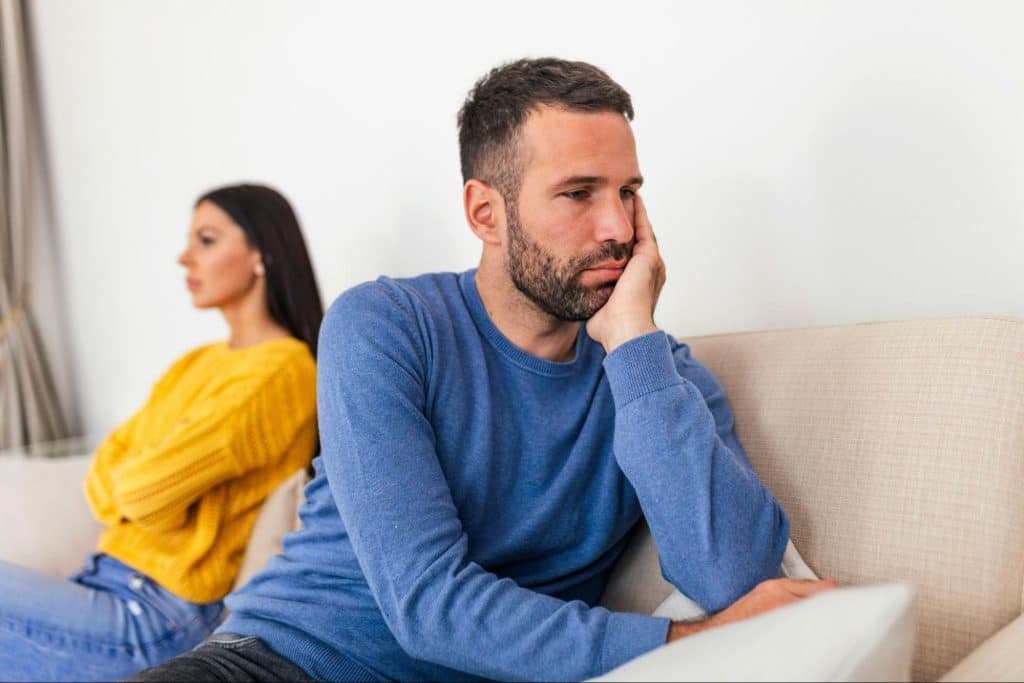
Curiosity is an essential part of connection. When respect fades, her interest in his inner world diminishes significantly. Conversations become functional rather than emotionally engaged. He begins to feel invisible in the relationship, present, but rarely explored. The absence of curiosity reveals a deeper absence of regard.
She Keeps Emotional Score Instead of Showing Grace

Every mistake, annoyance, or past issue becomes ammunition in future conversations. Forgiveness becomes difficult, and resentment begins to stack. Score-keeping signals a shift from partnership to quiet antagonism. Instead of seeing his humanity, she sees only his flaws. This emotional imbalance slowly deteriorates connection.
She Starts Comparing Him to Other Men, Even If Subtly

Comparisons may appear harmless at first, comments about other men’s habits, discipline, success, or attentiveness. But comparisons signal dissatisfaction and a hidden erosion of admiration. Even subtle remarks carry emotional weight. They create a dynamic where he feels measured rather than valued. This is one of the clearest signs respect is slipping away.
She Becomes Dismissive When He Tries to Express Concerns

Attempts at emotional honesty are met with deflection, sarcasm, or indifference. His feelings are minimized, misunderstood, or treated as unnecessary drama. Respect requires listening; disrespect turns listening into inconvenience. This dismissal slowly teaches him that opening up is pointless. Emotional walls rise where closeness once lived.
She Stops Prioritizing Quality Time Together

When respect is strong, time together feels natural and important. As it fades, time with him becomes optional or avoided. She immerses herself in distractions, obligations, or people who feel more emotionally engaging. The distance grows quietly but steadily. Quality time is often the first effort to disappear when admiration fades.
She Criticizes His Choices More Than She Supports Them

Encouragement becomes scarce while criticism becomes frequent. Everything from his decisions to his habits becomes subject to scrutiny. This imbalance creates a dynamic where he feels constantly evaluated. Supportive partnership turns into subtle judgment. Criticism becomes a silent replacement for respect.
She Stops Defending Him in Conversations With Others

Partners naturally defend each other when respect is present. When it fades, she may let negative comments slide, or contribute to them. Loyalty weakens when admiration disappears. These moments reveal where her emotional alignment truly lies. The absence of defense marks a deep relational shift.
She Uses Humor to Mask Disrespect

Jokes become sharper, more personal, or subtly humiliating. Laughter hides the emotional message, but the impact remains. Humor becomes a socially acceptable way to express frustration or disappointment. Over time, these “jokes” chip away at the foundation of respect. What’s said playfully often reveals what’s felt seriously.
She Stops Making an Effort in the Relationship

Emotional labor, affection, small gestures, and shared routines begin to fade. The partnership feels one-sided, with him doing most of the maintenance. This lack of effort signals disinterest, not just fatigue. When effort disappears, respect often goes with it. Relationships decline when one partner stops showing up emotionally.
She Begins Treating Him Like an Obligation Instead of a Partner
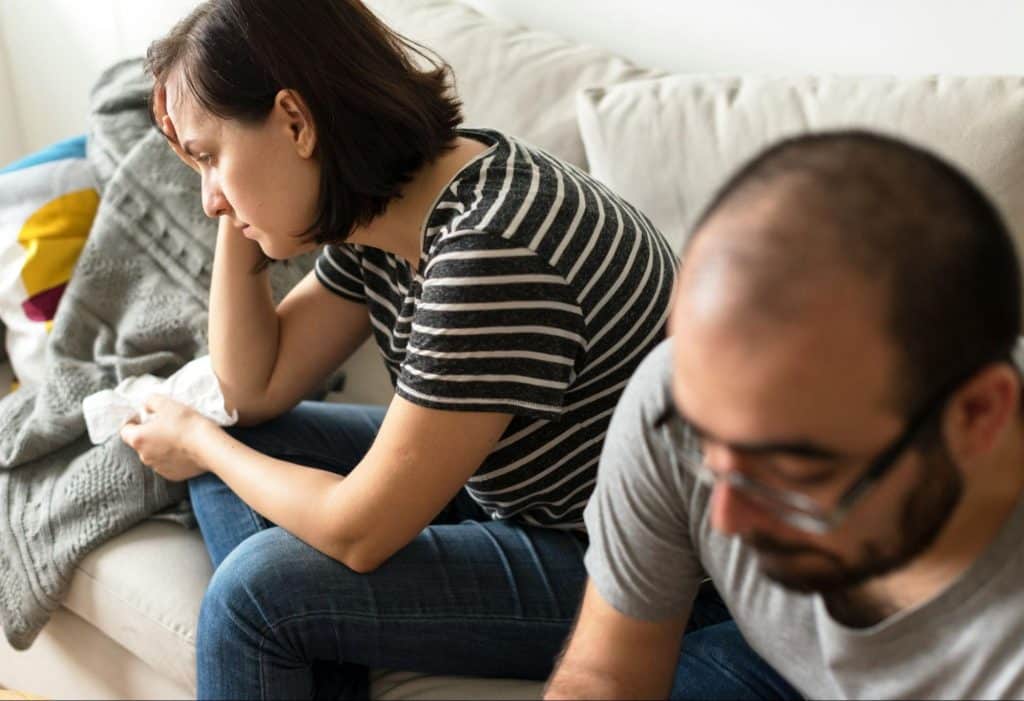
Interactions feel transactional rather than relational. She acts out of duty, not desire. The warmth and intentionality that once shaped the marriage vanish. He becomes someone to manage rather than someone to connect with. This emotional shift is one of the clearest signs respect has eroded.
CONCLUSION: Respect Fades Quietly, Long Before Anyone Calls It Out

Loss of respect rarely starts with a dramatic moment. It begins with subtle shifts in tone, attention, and behavior that compound over time. These signs aren’t about blame; they reflect the complex emotional patterns that emerge when admiration diminishes. Recognizing these behaviors is the first step toward understanding what the relationship needs, clarity, honesty, or change. Respect can be rebuilt, but only when both partners acknowledge the distance growing between them.








Ask Me Anything