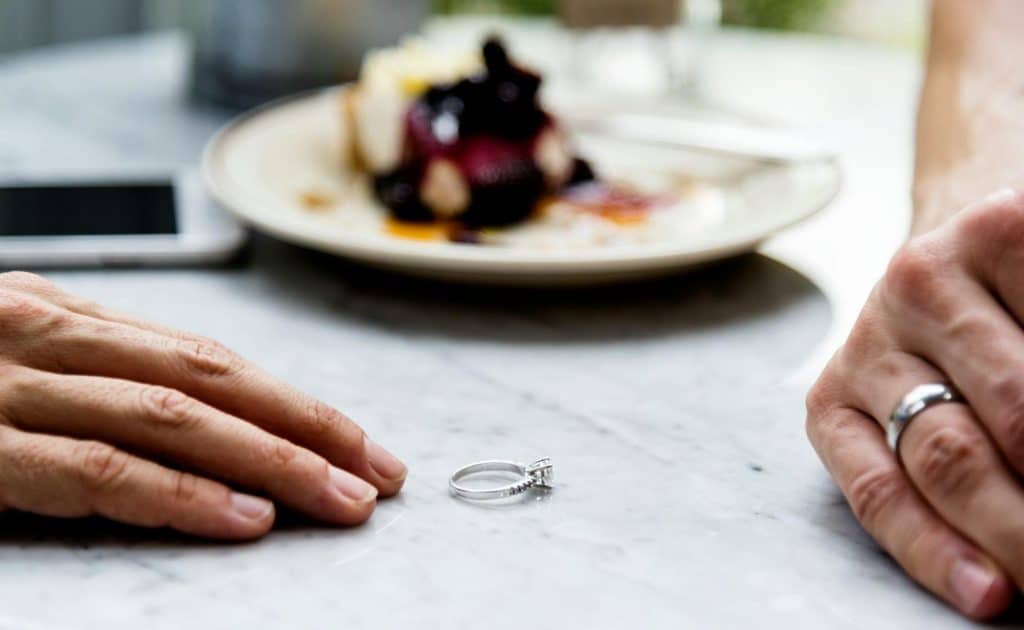
For many men, divorce brings clarity long before it brings peace. The space that follows separation often reveals truths that were impossible to see during the rush of everyday life. Mistakes that once felt small suddenly appear larger, and the emotional details once overlooked become impossible to ignore. Regret doesn’t come from failure alone, it comes from realizing how different choices might have protected connection, harmony, or intimacy. This introduction sets the tone for uncovering the quiet, often unspoken regrets divorced men over 40 carry long after the relationship ends.
Not Communicating Feelings When It Would Have Made a Difference

Many men realize too late how much silence shaped the breakdown. Avoiding hard conversations was easier than being vulnerable, but that silence created gaps no one knew how to fill. Distance formed slowly in the places where honesty should have lived. Regret surfaces when they recognize how openness could have changed the emotional trajectory. Emotional withholding becomes one of the biggest reflections after separation.
Letting Stress Become More Important Than Connection

Work, responsibility, and fatigue often took priority, leaving little emotional presence for the relationship. Stress became the lens through which everything was filtered, including moments that needed softness instead of tension. The relationship began competing with pressure it could never win against. Men later regret allowing exhaustion to overshadow intimacy and everyday care. Responsibility replaced connection without anyone realizing when the shift began.
Not Appreciating the Small Things Until They Were Gone

Many men recall the small gestures, routines, or efforts that once filled the relationship with warmth. At the time, these moments blended into routine and went unacknowledged. Only after divorce does the absence of those gestures feel sharp. Regret builds from the understanding that appreciation might have preserved emotional closeness. What felt ordinary was actually holding the relationship together.
Assuming Love Would Sustain Itself Without Maintenance

Long-term relationships require intention, but many men believed love would endure naturally. Over time, affection became assumed rather than maintained. They later regret not nurturing the connection with the same energy they gave to work or responsibilities. The emotional distance that followed wasn’t sudden, it was neglect disguised as comfort. This realization often arrives with painful clarity.
Not Addressing Small Problems Before They Became Big Ones
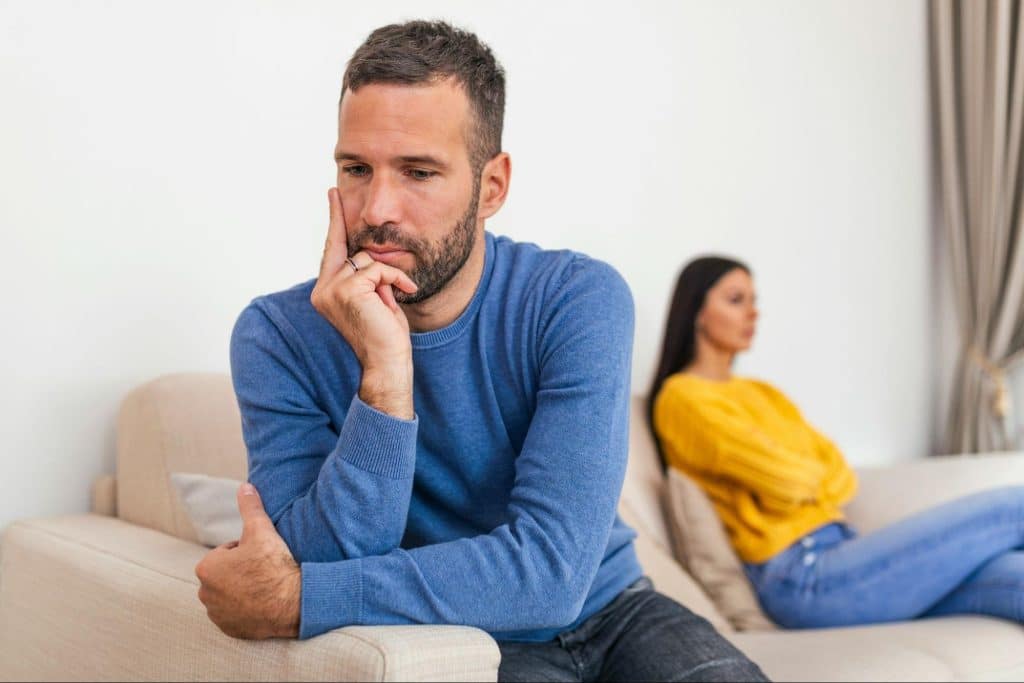
Minor issues were easier to ignore than confront, especially when life felt overwhelming. But avoidance allowed tension to build quietly. Men often regret not recognizing early warning signs, the unspoken resentment, the repeated miscommunications, or the subtle withdrawal. Small problems accumulate into major divides. Hindsight reveals how early conversations could have prevented long-term damage.
Taking Emotional Closeness for Granted

It’s common for men to underestimate how fragile emotional intimacy can be. The closeness that once felt secure slowly faded when left unattended. Men later regret assuming their partner would always remain emotionally available, even without ongoing effort. Emotional safety must be cultivated, not expected. The absence of intentional connection becomes a source of deep reflection.
Letting Pride Win Arguments That Didn’t Matter

Arguments that once felt important seem trivial in hindsight. Winning felt necessary in the moment, but the emotional cost often outweighed the victory. Many men regret the moments when pride overshadowed partnership. Cooperation could have replaced confrontation if ego hadn’t stepped in. The clarity of age reveals which battles never needed to be fought.
Not Showing Vulnerability When It Was Needed Most

Emotional strength was often interpreted as emotional silence. But withholding vulnerability made the relationship feel one-sided. Many men regret not letting their partner into their internal world sooner. Vulnerability might have created closeness instead of distance. The fear of emotional exposure becomes one of the regrets hardest to admit.
Ignoring Signs of Emotional Disconnection

There were subtle cues, shorter conversations, less laughter, fewer shared moments, that signaled something deeper was shifting. Many men overlooked these signs, assuming things would naturally return to normal. Instead, emotional distance widened. The regret comes from realizing early intervention might have saved the bond. Emotional drift rarely feels urgent until it’s irreversible.
Not Prioritizing Quality Time Amid Responsibilities

Busy schedules became an excuse for reducing meaningful time together. What started as temporary turned into habit. Men later regret how much intimacy was lost in the name of productivity. The relationship needed presence, not just provision. Quality time couldn’t be postponed indefinitely without consequences.
Expecting Their Partner to Understand Unspoken Needs

Many men believed their partner should “just know” when something was wrong. This expectation created confusion and resentment. Regret surfaces from seeing how much healthier the relationship could have been if needs were expressed instead of assumed. Unspoken expectations become invisible barriers. Clear communication could have bridged the gap.
Allowing Distance to Build During Hard Seasons

Every long-term relationship goes through difficult periods. Many men later regret withdrawing during these seasons instead of leaning in. Hard times required connection, but silence felt easier than effort. The emotional space created during these periods often became permanent. Regret comes from recognizing missed chances to rebuild.
Missing the Chance to Grow Instead of Resist Change

Personal growth often felt threatening rather than helpful. Many men resisted change, in themselves or their partner, because it felt destabilizing. After divorce, the absence of growth becomes more painful than the effort would have been. Men reflect on the opportunities they avoided, not the ones they took. Change was never the enemy; stagnation was.
Not Protecting the Relationship From Outside Stress

External pressures, work, family, obligations, financial worries, slowly seeped into the relationship’s core. Many men regret not setting boundaries around their shared world. The relationship became the place where stress landed, not where it dissolved. In hindsight, protecting the emotional space becomes one of the regrets that feels preventable.
Failing to Reassess the Relationship Before It Broke

Men often ignore dissatisfaction until it becomes too large to manage. By the time reflection begins, emotional damage is already deep. Many regret not checking the relationship’s health earlier. Self-awareness arrives late, revealing how neglect became the quiet undoing. Early introspection could have changed the story.
Not Realizing How Valuable Partnership Truly Was

It’s common for men to recognize the worth of a relationship only after distance creates perspective. Moments of companionship, emotional support, and shared history gain weight in hindsight. The absence reveals the depth of what was lost. Regret comes not from losing the person alone, but from losing the version of life created together. Value becomes clearest when it’s no longer accessible.
CONCLUSION: Regret Isn’t About Blame, It’s About Understanding

The regrets divorced men over 40 carry aren’t rooted in bitterness, but in clarity gained through age and experience. They reflect lessons learned too late, about communication, vulnerability, appreciation, and emotional presence. These reflections don’t define failure; they illuminate growth. Recognizing these regrets can help men build healthier connections moving forward, grounded in what they now understand more deeply. The past offers insight, not punishment, and awareness becomes the foundation for better love ahead.








Ask Me Anything