
Love is meant to offer comfort, steadiness, and emotional grounding, but relationships sometimes slip into a space where connection feels more draining than supportive. This shift rarely happens overnight, it builds slowly, through small emotional imbalances that accumulate over time. What once felt effortless becomes something that requires constant management or emotional monitoring. The atmosphere grows subtly heavier, even when no specific conflict is present. The warmth that once defined the connection fades into obligation. This introduction examines how love transforms from nourishment into emotional weight long before anyone speaks the truth out loud. When heaviness replaces peace, the relationship begins signaling that something deeper needs attention.
Love Starts Feeling Like Something You Must Manage

There comes a moment when maintaining the relationship begins to feel like another task instead of a natural bond. Effort shifts from shared responsibility to silent pressure, creating an unspoken expectation to hold everything together. The emotional dynamic changes, requiring constant attention to avoid misunderstandings or tension. Conversations feel more strategic than heartfelt, and decisions begin to feel loaded. The joy that once flowed easily becomes wrapped in responsibility. This shift reveals itself quietly, in the way love turns into something to manage rather than something to feel. When connection becomes maintenance, emotional balance is already slipping.
You Stop Feeling Emotionally Rested Around Each Other

Time together used to feel like relief, a place to unwind and reconnect. Now, the emotional atmosphere leaves lingering tension that’s hard to shake, even during peaceful moments. The connection feels less like a sanctuary and more like something that drains energy without explanation. You walk away from conversations feeling heavier than when they began. There’s no argument, no hostility, just a noticeable lack of emotional ease. When time spent together doesn’t recharge the heart, something fundamental has shifted. Emotional rest is replaced with quiet exhaustion.
You’re More Afraid of Disappointing Them Than Being Honest

Honesty begins to feel risky when emotional reactions become unpredictable or overly sensitive. It becomes easier to soften truths, avoid difficult topics, or adjust opinions to maintain harmony. Authenticity slowly fades in favor of keeping the peace. This warped balance makes emotional safety feel conditional instead of mutual. Genuine openness becomes difficult when the cost of honesty feels too high. When fear overshadows emotional truth, the relationship stops feeling like a blessing. The need to protect the other person’s emotions becomes heavier than sharing your own.
Affection Starts Feeling Like an Obligation, Not a Choice

Closeness becomes something offered out of duty rather than genuine desire. Touch, conversation, and shared moments begin to feel rehearsed, lacking the warmth they once carried. What used to feel natural now feels like checking off emotional requirements. The spark shifts from spontaneity to expectation. This type of emotional drift rarely happens loudly, it happens quietly through moments that feel slightly off. When affection stops coming from the heart, love begins to feel heavy. Obligation becomes the shadow behind intimacy.
You Feel Responsible for Their Moods

A relationship becomes burdensome when one person feels like the emotional regulator for both. Their happiness, disappointment, or frustration starts to feel like your responsibility. You walk on subtle emotional eggshells, adjusting behavior to keep things steady. The pressure becomes internalized until emotional balance feels like something you alone must maintain. Carrying this invisible weight slowly drains emotional energy. Relationships thrive on shared emotional effort, not one-sided emotional vigilance. When moods become something to manage, love loses its ease.
Conversations Feel Like Work Instead of Connection

Dialogue that once flowed easily now feels strained or overly structured. Every word is measured to avoid misinterpretation, and even simple topics carry a heavy emotional undertone. The natural rhythm of conversation disappears under layers of pressure and self-monitoring. Instead of clarity, discussions create more tension. Even neutral moments require emotional readiness. When talking feels more like a task than a bridge between two people, connection begins to erode. Love becomes weighed down by communication that no longer feels effortless.
You Find Yourself Avoiding Moments That Should Feel Intimate

Things that once brought closeness now feel draining or overwhelming. Quality time starts to feel like emotional effort rather than joy. Even affectionate gestures carry an undercurrent of tension, making once-light moments feel heavier. Avoidance becomes a silent coping mechanism, not a lack of love. The emotional weight overshadows the desire for closeness. Intimacy should feel safe and inviting; when it becomes something to endure, the relationship’s foundation begins to strain. These shifts happen quietly but point to deeper emotional fatigue.
You Feel Like You’re Carrying the Relationship Emotionally

When one person consistently initiates conversations, smooths over misunderstandings, and maintains emotional connection, imbalance grows quickly. Love shifts from collaboration to emotional responsibility. Small resentments begin to form, even unspoken ones. The relationship becomes increasingly dependent on one person’s emotional effort. Over time, it becomes exhausting to constantly repair and reassure without receiving the same energy in return. When emotional labor becomes one-sided, love starts feeling like weight instead of partnership. The heart grows tired long before words are spoken.
Small Conflicts Feel Larger Than They Should
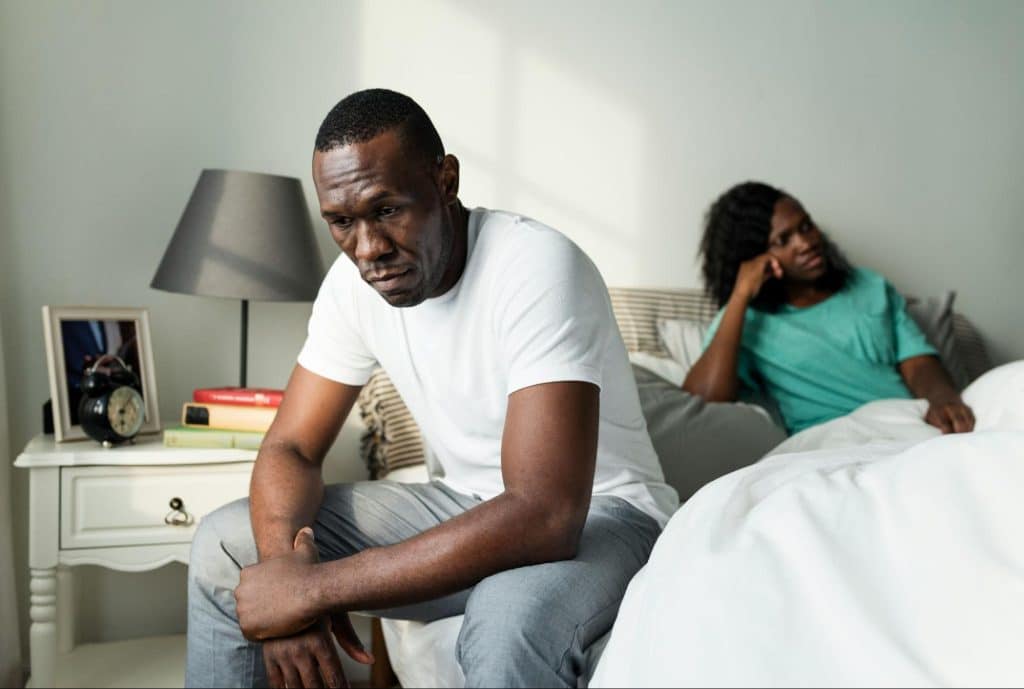
Minor disagreements that were once manageable begin to feel overwhelming. Emotional tension lingers even after quick misunderstandings, revealing deeper unresolved strain. The weight of the relationship magnifies tiny issues into significant emotional events. You find yourself mentally bracing for reactions rather than expressing feelings freely. The emotional cost of small conflicts becomes disproportionate. When tiny sparks feel like potential fires, emotional stability is already compromised. Love becomes heavy when conflict carries more weight than connection.
You Start Feeling More Alone in the Relationship Than Supported

Being physically together no longer guarantees emotional closeness. The connection feels distant, even in shared spaces. Loneliness begins to appear not from lack of presence, but from lack of true emotional engagement. You miss the version of the relationship that felt like partnership. This type of loneliness can be heavier than solitude itself. Emotional isolation sets in quietly and gradually. When togetherness feels hollow, love starts to feel like a burden instead of comfort.
You Keep Silencing Your Needs to Keep the Peace

The simplest needs, reassurance, rest, support, start feeling too heavy to express. Keeping quiet seems easier than risking tension or misunderstandings. Emotional self-sacrifice becomes routine. Over time, unspoken needs turn into emotional exhaustion and subtle resentment. The relationship shifts from balance to suppression. Peace built on silence is one of the heaviest emotional loads a person can carry. Love begins to feel burdensome when authenticity becomes unsafe.
Your Emotional Energy Never Fully Recharges

Even in calm moments, the emotional environment feels tiring. Your mind seems constantly occupied with maintaining stability or preparing for emotional shifts. It’s not life causing fatigue, it’s the imbalance within the relationship. Rest becomes rare, and tension becomes the default state. This depletion is gradual but undeniable. When emotional energy is always low, the relationship begins to feel like a drain rather than a source of nourishment. Love starts losing the ability to soothe.
Support Feels One-Sided, Even If They Don’t Realize It

You show up, listen, adjust, and compromise, but receive far less emotional support in return. The imbalance may not be intentional, yet it still creates strain. What should be reciprocal becomes heavily tilted. You begin wishing someone would carry you the way you carry them. Emotional generosity without emotional return becomes exhausting over time. Support that only flows in one direction eventually becomes weight. Love feels unbalanced when one person carries most of the emotional load.
You Begin to Feel Guilty for Wanting Space

Healthy space is essential in any relationship, but guilt makes it feel like abandonment. Needing rest or breathing room becomes something you overthink instead of honor. You worry that asking for distance will create conflict or disappointment. This emotional guilt becomes heavier than the exhaustion itself. Instead of being nurtured, the need for space feels dangerous to express. When space becomes something forbidden, love transforms into pressure. The heart begins craving relief more than closeness.
You Daydream About Relief More Than You Look Forward to Connection

Thoughts drift toward peace, solitude, or quiet more often than toward shared moments. The desire for emotional rest becomes stronger than the desire for intimacy. These daydreams aren’t about separation, they’re about yearning for ease. Relief becomes more appealing than connection itself. This internal shift reflects emotional overload. When the idea of rest is more comforting than the thought of togetherness, love has slipped into burden. The heart begins whispering what the mind hasn’t yet admitted.
You Feel Like You’re Losing Parts of Yourself

Slowly, energy, interests, and identity begin to fade under the emotional demands of the relationship. Compromises stack until they no longer feel like choices but obligations. You adjust so often that your sense of self becomes muted. Love turns from expansion into contraction. Emotional weight overshadows individuality. Healthy love nourishes personal growth; heavy love suppresses it. Losing yourself is one of the clearest signs that emotional burden has replaced emotional connection.
Even Good Moments Feel Temporary Instead of Safe

The relationship still has positive experiences, but they feel fragile rather than grounding. Joy doesn’t linger, it feels like a temporary break from tension instead of a sign of stability. Even happiness feels overshadowed by the quiet heaviness beneath it. Emotional rest is fleeting, replaced quickly by familiar weight. The connection no longer feels like a foundation, but like a series of brief escapes. When good moments don’t bring lasting comfort, love has begun to feel heavy instead of healing. The relationship loses the sense of safety it once provided.
When Love Feels Heavy, the Heart Starts Whispering What Words Can’t

Love is not meant to feel like constant effort, emotional strain, or quiet self-sacrifice. When heaviness replaces ease, it signals an imbalance that needs to be acknowledged honestly. These signs aren’t about blame, they reveal the emotional shifts that quietly reshape connection. Relationships can return to balance when both people recognize the weight and work together to lighten it. But pretending the heaviness isn’t there deepens the emotional divide. Love should feel supportive, expansive, and safe, not draining. Awareness is the first step toward rebuilding connection that feels like nourishment instead of burden.








Ask Me Anything