
It’s not magic–likability is psychology. People don’t connect with you because you’re perfect; they connect because you make them feel good about themselves. From how you listen to the words you choose, small behavioral tweaks can completely shift how others perceive you. These aren’t manipulative tricks–they’re subtle, science-backed habits that make social interactions smoother and more genuine. Here’s how to make people warm up to you almost instantly.
1. Mirror Their Body Language (Subtly)

Mirroring someone’s gestures, posture, or tone creates a subconscious sense of connection. It’s something humans naturally do when they like each other. The trick is to keep it subtle–cross your arms when they do, match their speech pace, or lean in when they lean in. Done right, it signals “we’re alike,” which our brains are wired to trust. Overdo it, and it feels forced. Underdo it, and you miss a natural bonding cue.
2. Use Their Name in Conversation

People love hearing their own name–it’s one of the simplest ways to make an interaction feel personal. It signals respect, familiarity, and attention. The key is to sprinkle it naturally into the conversation rather than overusing it. For instance, “That’s a good point, Sarah” feels warm and engaging, while saying someone’s name every sentence feels awkward. It’s a small cue that makes people feel recognized and valued.
3. Match Their Energy Level

When you match someone’s tone and enthusiasm, you instantly build rapport. If they’re relaxed, don’t come in with overwhelming intensity. If they’re upbeat, match that liveliness. Psychologically, people like others who seem to “get” their vibe. The moment your energy syncs, the other person’s comfort level rises. It’s not about imitation–it’s about emotional attunement.
4. Make Eye Contact–But Don’t Stare

Eye contact shows confidence and sincerity, but too much can feel intimidating. Aim for balance: hold eye contact when listening or emphasizing a point, but look away occasionally to avoid intensity overload. Studies show that people perceive moderate, steady eye contact as warmth and trustworthiness. Think connection, not confrontation.
5. Find Common Ground Early

People naturally like others who share their interests, values, or experiences. The faster you find something in common–music, travel, food, even mutual frustrations–the faster rapport builds. Ask open-ended questions to uncover overlap. Once you hit a shared topic, stay there a while. It’s one of the easiest ways to turn strangers into allies.
6. Give Genuine Compliments
Flattery feels good, but authenticity feels better. Compliments work best when they highlight effort or character, not just appearance. “You have great energy” or “I like how you handled that” go further than “You look nice.” People can sense forced praise. Focus on something specific and honest–it creates trust and goodwill instantly.
7. Listen More Than You Talk

The most likable people make others feel heard. Instead of waiting for your turn to speak, really listen. Nod, ask clarifying questions, and summarize what they said. These small behaviors show engagement. When people feel listened to, they automatically associate positive feelings with you–even if you’ve said very little yourself.
8. Subtly Match Their Speaking Style

If someone speaks slowly and thoughtfully, adjust your rhythm. If they’re animated and quick, speed up a bit. This “verbal mirroring” is a subtle way to sync up socially. Studies show that matching a person’s conversational pace builds comfort and familiarity. It’s not about changing your personality–it’s about creating smooth conversational chemistry.
9. Use Light, Appropriate Touch

A brief handshake, shoulder tap, or friendly pat can release oxytocin–the “bonding hormone.” Physical contact signals safety and connection when used appropriately. Of course, context and consent matter. Read the situation. Used right, touch can make you seem approachable and trustworthy. Used wrong, it can ruin your impression entirely.
10. Nod When They Talk

Nodding signals understanding and encouragement. It’s a simple, nonverbal way to show attentiveness and agreement. People tend to keep talking–and like you more–when you nod as they speak. It subconsciously communicates, “I get you.” Just don’t nod excessively or robotically; that shifts from empathy to awkwardness.
11. Repeat Key Words They Use

When you echo someone’s choice of words, it shows you’re listening and on the same wavelength. If they say, “It was such a relief,” reply with “That does sound like a relief.” This verbal mirroring builds understanding and trust because you’re speaking in their emotional language. It’s subtle psychology at work–and it makes conversations flow more naturally.
12. Smile Like You Mean It

Smiling activates mirror neurons in others, prompting them to smile back. It instantly lowers defenses and increases positive perception. But authenticity matters–fake smiles are easy to spot. Think of something pleasant or focus on genuine interest in the other person before you smile. Real warmth always shines through.
13. Remember Details and Follow Up

Remembering small details–like their favorite coffee order or their pet’s name–shows genuine interest. When you bring those details up later, people feel valued and seen. It tells them you weren’t just making small talk; you cared enough to remember. That’s how casual acquaintances turn into trusted connections.
14. Use Open Body Language

Crossed arms or turned-away feet signal defensiveness, while open posture shows confidence and receptivity. Keep your shoulders relaxed, arms uncrossed, and body facing the person you’re talking to. Our brains read openness as safety–and people are naturally drawn to those who seem at ease in their own skin.
15. Admit Small Flaws or Mistakes

Perfection is intimidating. Admitting small flaws makes you relatable. The “Pratfall Effect” in psychology shows that competent people become more likable when they make minor mistakes–it humanizes them. A little self-deprecating humor or owning a slip-up makes others drop their guard and feel more at ease.
16. Show Empathy, Not Just Sympathy

Empathy is the ultimate connection-builder. Instead of saying “That sucks,” try “That must’ve been tough for you.” It’s a subtle but powerful shift that validates emotion. People are drawn to those who make them feel understood on an emotional level, not just acknowledged on a surface one.
17. Find a Reason to Laugh Together

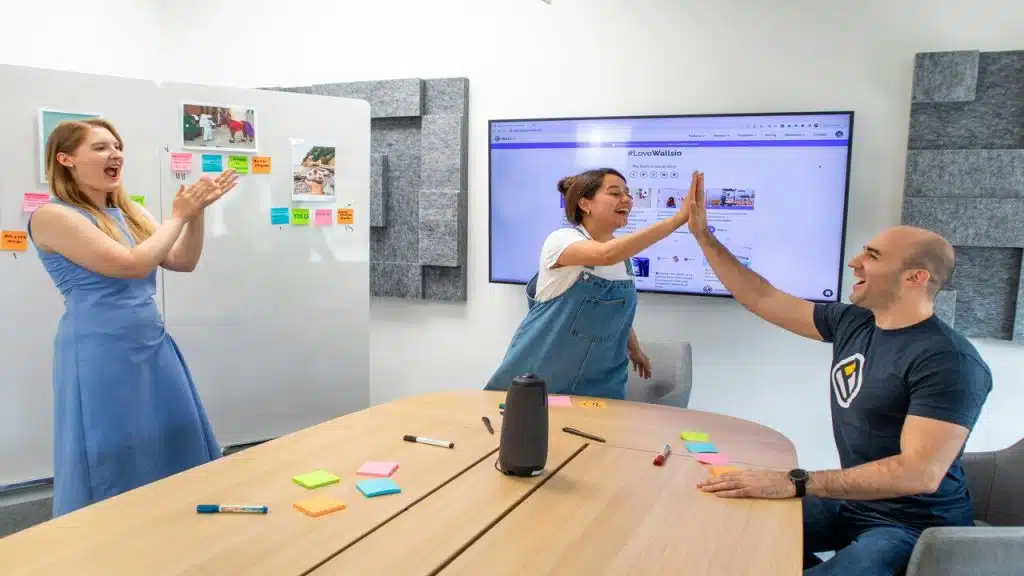
Shared laughter is a bonding fast-track. It signals alignment, comfort, and similar sense of humor–all markers of compatibility. Don’t force jokes, but notice opportunities for light, situational humor. Even small chuckles over shared awkwardness can make you both feel closer. Humor isn’t just entertaining–it’s social glue.
18. End on a Positive Note

The “recency effect” means people remember the last moments of an interaction most vividly. Always end a conversation with warmth–a kind comment, a smile, or genuine appreciation. “It was great talking with you” can linger longer than you think. Ending on a high note ensures they walk away liking you–and wanting to see you again.








Ask Me Anything