
Emotional detachment can sneak into even the most loving relationships. Maybe you’ve stopped sharing how your day really went, or you feel numb during arguments instead of upset. It’s not always about falling out of love–it’s often about feeling emotionally unsafe, exhausted, or unheard. The good news? Detachment isn’t permanent. With self-awareness and consistent effort, you can rebuild intimacy, trust, and emotional warmth again.
Here’s how to start healing and reconnecting–both with yourself and your partner.
Recognize the Signs of Emotional Detachment

You can’t fix what you don’t acknowledge. Emotional detachment often looks like going through the motions–minimal eye contact, surface-level conversations, and a constant feeling of “distance.” You might avoid conflict or feel indifferent to your partner’s moods. Recognizing this emotional numbness as a defense mechanism, not a personality flaw, is key. It’s your brain’s way of protecting you from pain. Once you see it for what it is, you can start addressing the root cause instead of just coasting through disconnection.
Identify the Triggers That Caused You to Pull Away

Detachment rarely appears out of nowhere. It’s usually a response to chronic stress, unresolved conflict, or emotional neglect. Maybe you’ve felt unheard for too long, or you’ve been walking on eggshells to avoid another fight. Reflect on what made you start to retreat–was it exhaustion, rejection, or fear of vulnerability? Understanding your triggers gives you clarity. Once you can pinpoint the “why,” you can stop reacting automatically and start responding intentionally.
Relearn How to Be Present

Detachment thrives when you live in emotional autopilot. Reconnecting begins by slowing down and being truly present. Put away your phone during conversations. Look your partner in the eyes. Listen not to reply, but to understand. These small acts rebuild trust because presence signals, “You matter to me.” Practicing mindfulness–even outside the relationship–helps you notice when you’re shutting down emotionally and gently pull yourself back into the moment.
Reconnect with Your Own Emotions First

It’s hard to emotionally connect with someone else when you’re disconnected from yourself. Take time to notice your feelings without judgment–sadness, frustration, loneliness, or even relief. Journaling, therapy, or simply naming what you feel can help thaw emotional numbness. Emotional self-awareness is the foundation of relational intimacy. When you can understand what’s happening inside you, you become better at communicating and connecting authentically.
Communicate Your Emotional Distance Honestly

Honesty, even when uncomfortable, is healing. Tell your partner you’ve noticed a sense of emotional distance–not as blame, but as observation. Use “I” statements like, “I feel disconnected lately, and I want to work on that.” Vulnerability invites empathy. Your partner can’t meet needs you don’t express, and they might be feeling the same way but afraid to bring it up. Honest dialogue can reignite connection faster than pretending everything’s fine.
Address Unresolved Resentments

Resentment is emotional cement–it hardens detachment. If old wounds or recurring frustrations linger, they silently erode closeness. Instead of suppressing them, address issues directly but calmly. Choose a time when neither of you is reactive. Focus on solutions, not accusations. Releasing built-up resentment often clears emotional blockages you didn’t even realize were keeping you disconnected.
Rebuild Small Acts of Affection

You don’t rebuild intimacy overnight–it starts with small gestures. A gentle touch, a genuine compliment, or a kind word during a busy day can slowly reopen emotional pathways. Physical affection isn’t just romantic–it’s biological. It releases oxytocin, the bonding hormone. Think of affection as daily maintenance for your relationship, especially when words feel hard to find.
Prioritize Quality Time Over Quantity

You can live under the same roof and still be emotionally miles apart. Instead of defaulting to “time together,” focus on quality connection–talking over dinner without distractions, taking walks, or sharing new experiences. Intentional time builds emotional intimacy because it sends a powerful message: “I choose you, even in the chaos.”
Learn to Self-Soothe Without Withdrawing

When overwhelmed, many people detach as a coping mechanism. Instead, learn to self-soothe in healthy ways–deep breathing, journaling, taking a short walk–without fully checking out from your partner. Emotional regulation helps you stay grounded during tension so you can engage instead of escape. The more you can calm your own emotions, the less you’ll feel the need to detach to protect yourself.
Set Boundaries That Encourage Safety, Not Distance
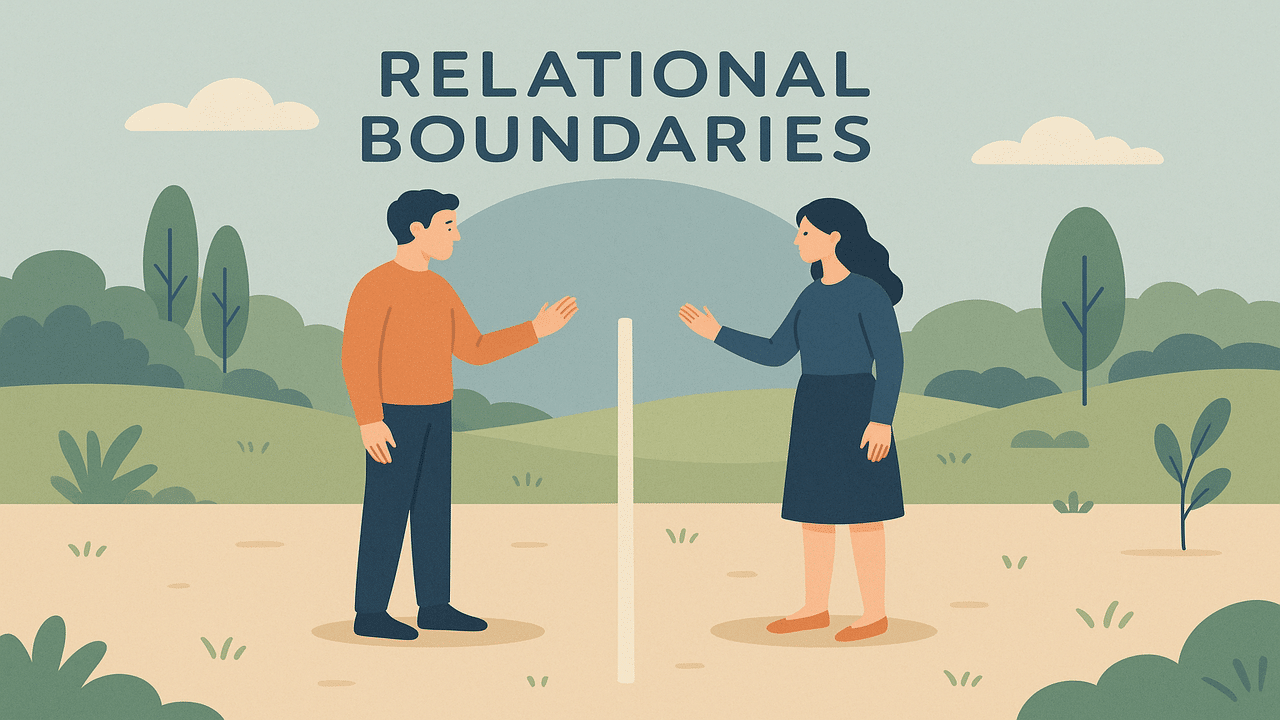
Boundaries aren’t walls–they’re bridges. They create emotional safety, which is crucial for closeness. Be clear about what you need to feel secure while still being emotionally available. Healthy boundaries help you show up authentically, instead of building defenses that isolate you. When both partners respect each other’s limits, trust deepens naturally.
Reignite Curiosity About Your Partner

When detachment sets in, we stop being curious. We assume we already “know” our partner. But people evolve. Ask deeper questions again–what they’ve been thinking about lately, what dreams they have now. Curiosity rekindles emotional connection because it communicates genuine interest. The more you discover about them again, the more intimacy naturally returns.
Practice Emotional Responsiveness

Emotional connection thrives on responsiveness–small moments where you acknowledge, comfort, or celebrate your partner’s emotions. When they share something, respond with presence instead of silence or quick fixes. Even simple validation like “That sounds really tough” can reestablish emotional safety. Responsiveness shows your partner they’re seen, heard, and valued.
Heal Attachment Wounds Together

Sometimes detachment stems from deeper attachment patterns rooted in childhood. If one of you leans avoidant or anxious, these patterns can play out in your dynamic. Understanding them together–through therapy or self-study–can be life-changing. You’ll learn how to meet each other’s needs instead of triggering old fears. Healing attachment wounds isn’t quick, but it’s transformative.
Seek Professional Guidance When Needed

Sometimes emotional detachment has layers too complex to untangle alone. Couples therapy or individual counseling can help you explore underlying pain in a structured, safe space. A good therapist acts as a translator, helping both of you express and understand emotions you’ve buried. Getting help isn’t a weakness–it’s a decision to invest in healing.
Rebuild Shared Rituals of Connection

Rituals–like morning coffee together, date nights, or Sunday walks–anchor your bond. When detachment creeps in, those rituals often fade away. Reintroducing them can remind both of you of your partnership’s rhythm. Shared rituals don’t have to be grand; they just need to be consistent. These small moments accumulate, creating a sense of togetherness that slowly melts the distance.
Nurture Compassion, Even When It’s Hard

When you’re emotionally distant, it’s easy to assume the worst about your partner’s intentions. Compassion flips that script. Instead of focusing on what’s missing, try to see their stress, struggles, and humanity. Compassion softens defensiveness and helps you reconnect from a place of understanding rather than judgment. Emotional warmth returns where empathy lives.
Choose to Reconnect Every Day

Emotional healing isn’t a one-time fix–it’s a daily choice. Every day offers moments to reach out, open up, or lean in instead of pulling away. Detachment fades when connection becomes a practice, not a feeling you wait for. Keep choosing closeness, even in small ways. Over time, those daily choices rebuild not just your relationship, but your sense of love, safety, and emotional vitality.








Ask Me Anything