
We live in an age where connection is instant, yet rarely intimate. Technology has made it possible to reach anyone in seconds, but it has also made genuine closeness harder to sustain. We text more but talk less, share more but feel less known. The digital world has blurred the line between communication and connection, offering the illusion of intimacy without the depth of understanding. Real connection doesn’t come from constant updates, it comes from being fully present. Somewhere along the way, we traded presence for accessibility, and we’ve been lonelier ever since.
We Mistake Accessibility for Intimacy

Being reachable all the time gives a false sense of closeness. You can message someone across the world but still feel emotionally distant from the person sitting next to you. Connection isn’t about availability, it’s about attention. When conversations happen on autopilot, emotional depth fades. Technology has made us more contactable, not more connected. Intimacy requires effort, not just signal strength.
We Text More but Communicate Less

Messages fly back and forth all day, but substance rarely follows. Texting lacks tone, timing, and touch, the three things that carry empathy. It’s easy to misread words without hearing the emotion behind them. Technology made it easier to talk, but harder to understand. What once was dialogue is now data exchange. Real connection needs pauses, not pings.
We Overshare Online and Under-Share in Real Life

Social media encourages constant sharing, but it’s often the filtered version of truth. People post their highlights while hiding their hurts. Public vulnerability has replaced private honesty, we perform emotions instead of processing them. The more we share online, the less we confide offline. True closeness happens in whispers, not captions.
We’re Surrounded by People, Yet Starved for Presence

Thousands of followers can’t replace one person who truly listens. We mistake digital companies for companionship, scrolling through lives instead of participating in them. Presence used to mean attention; now it just means being online. The constant noise of notifications leaves no room for real silence, the kind where connection grows. Being seen on a screen isn’t the same as being understood in person.
We Choose Convenience Over Clarity

Texting feels faster and safer than calling, but it removes the nuance of voice and intention. Misunderstandings multiply when emotion gets replaced with emojis. What feels “easier” often creates distance instead of closeness. Real conversations are messy and unscripted, two things technology tries to simplify. But love, friendship, and empathy aren’t supposed to be efficient.
We Ghost Instead of Confront

Technology made disappearing effortless. Instead of uncomfortable goodbyes, people vanish with a swipe or silence. Avoidance has become normal, accountability optional. The cost of this digital ease is emotional maturity. Confrontation builds closure; ghosting breeds confusion. Ending communication without honesty doesn’t protect peace, it destroys trust.
We Scroll Instead of Support

When someone shares pain online, it’s easier to react with a heart emoji than to pick up the phone. We’ve replaced empathy with engagement. Scrolling creates a false sense of participation, as if watching suffering is the same as caring about it. Technology makes compassion convenient but shallow. Support doesn’t come from tapping the screen; it comes from showing up.
We Expect Instant Replies, Not Real Understanding

In a world of constant notifications, waiting feels unbearable. We’ve been conditioned to expect immediacy, and take delay as disinterest. But genuine communication takes time and reflection. Instant responses don’t equal emotional depth. Love can’t keep up with Wi-Fi speed, it moves at the pace of understanding.
We Trade Authenticity for Aesthetic

We curate ourselves for public consumption, editing our smiles, filtering our truths. Relationships start to feel like presentations instead of connections. When everything becomes content, sincerity becomes rare. Authenticity doesn’t photograph well, but it’s what makes intimacy real. Technology celebrates appearance, not presence, and that’s where affection begins to fade.
We Measure Worth in Likes, Not Loyalty
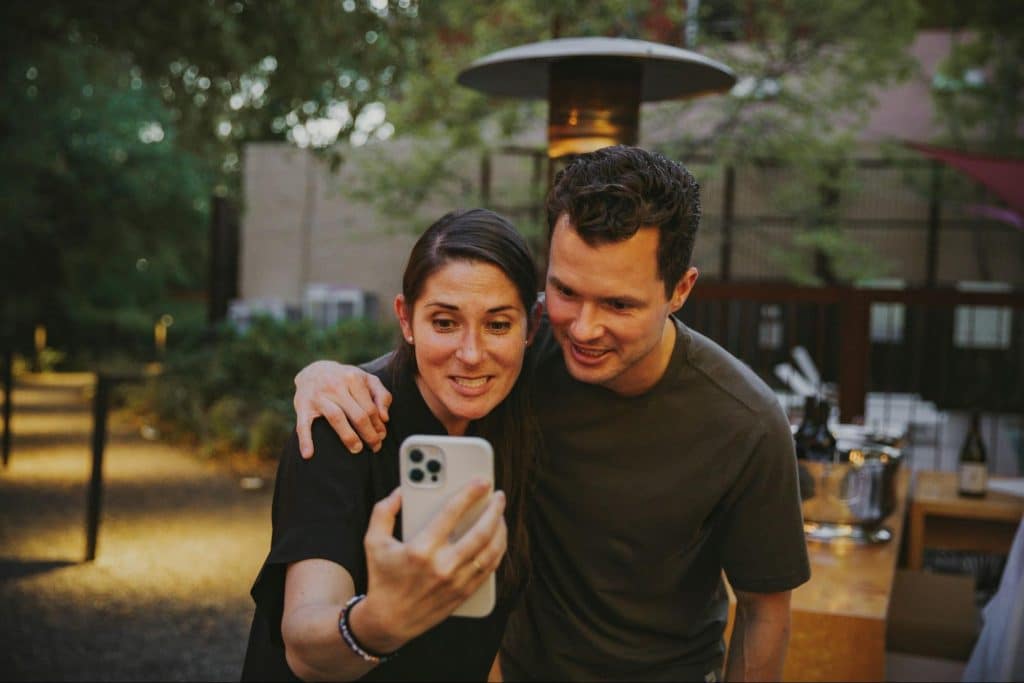
Validation has become a scoreboard. We equate digital attention with emotional value. But likes don’t translate to love, and reach doesn’t equal respect. The constant comparison breeds quiet insecurity. Real relationships don’t need algorithms, they need trust. When numbers start defining worth, connection becomes competition.
We Use Technology to Avoid Emotional Labor

Checking in by text feels easier than being there in person. A quick “You good?” replaces time, listening, and empathy. Technology has made care transactional, efficient but empty. We’ve mistaken communication for connection. But real support requires discomfort, the kind that can’t be typed or timed.
We Mistake Notification Pings for Connection

Every buzz, ding, and alert triggers a rush of dopamine, a tiny illusion of importance. But attention measured by notifications isn’t attention rooted in care. The brain feels rewarded, but the heart stays empty. The more we chase digital acknowledgment, the less we recognize genuine affection. Connection isn’t supposed to interrupt you, it’s supposed to involve you.
We’re Addicted to Distraction, Not Discovery

We scroll endlessly, mistaking stimulation for satisfaction. Curiosity fades because content fills every empty second. The more we consume, the less we reflect. Technology keeps us entertained but emotionally underfed. Real connection requires boredom, the quiet moments where meaning forms.
We Lose Empathy Through Overexposure

Seeing everything online makes tragedy ordinary. The flood of information leaves no time to process or feel. Empathy dulls when pain becomes content. Compassion fatigue is the modern burnout, caring too much, too often, for too many pixels. Awareness is not the same as understanding.
We Build Digital Walls to Protect Our Egos
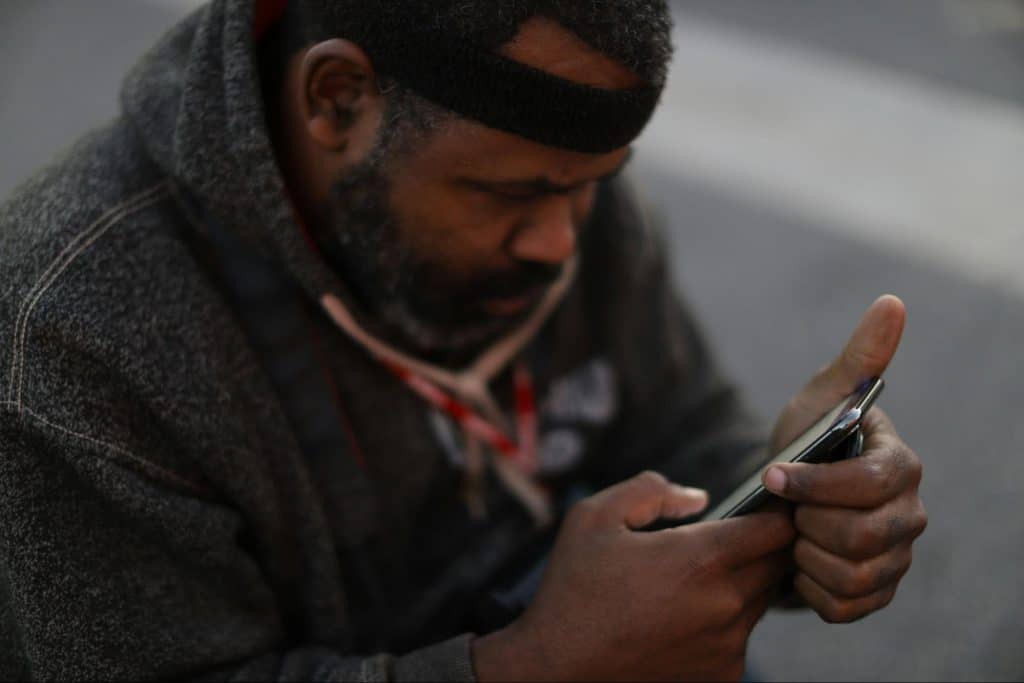
Profiles and filters let us control how we’re perceived, perfect smiles, witty captions, curated flaws. Vulnerability feels risky when judgment feels instant. But emotional safety doesn’t come from control; it comes from authenticity. The more we hide behind perfection, the harder it becomes to connect for real.
We Confuse Presence with Performance

Every event becomes a backdrop for proof, a photo, a story, a post. We experience moments through screens instead of senses. Presence has been replaced by presentation. But connection doesn’t need witnesses, it needs attention. The memories that matter most are the ones lived, not documented.
We’ve Forgotten That Silence and Attention Build Intimacy

Technology fills every quiet moment, but silence is where depth grows. Real connection isn’t constant, it breathes between pauses, between words left unsent. Attention, not activity, creates closeness. When we put the phone down, the world, and the people in it, start to feel real again. Love, friendship, and humanity survive only where presence still exists.
When We Start Choosing People Over Pixels

Technology isn’t the enemy, our overdependence is. The same devices that divide us can also bring us back together, if used with intention. Real connection begins when we stop multitasking people we care about. The solution isn’t disconnection, it’s discipline. When we choose conversation over convenience and presence over performance, we rediscover what being human feels like again.








Ask Me Anything