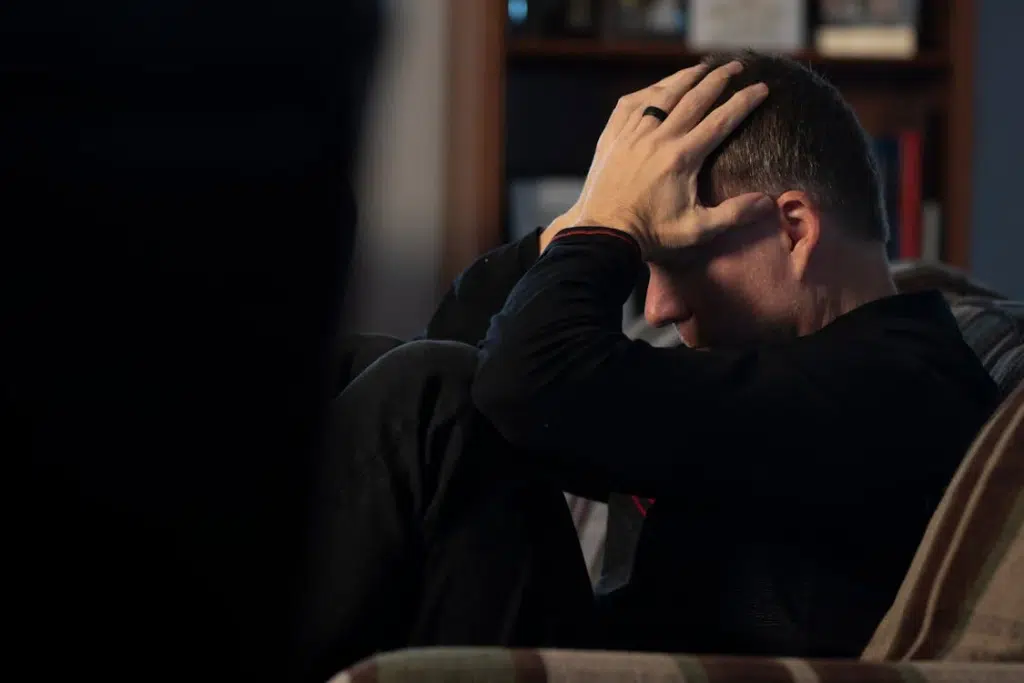
Men often act like they don’t care. They text jokes, hit the gym harder, or pretend they’re living their best life. But beneath that calm exterior, grief creeps in quietly. Men usually suppress emotions to maintain control and avoid appearing weak. What follows is an emotional storm you don’t always recognize. It just hides behind your ego, habits, or silence.
You Replay Every Argument in Your Head

You start replaying moments, analyzing words, and wishing you’d handled things differently. It’s grief trying to make sense of loss. Overthinking after a breakup is a form of emotional problem-solving that your mind uses to process unfinished business. You may think you’re “just reflecting,” but it’s your heart trying to find closure that your ego won’t allow you to admit you need.
You Stalk Her Socials but Never Interact

You scroll through her stories just to see if she looks happy or if she’s moved on. You tell yourself it’s “just curiosity,” but deep down, it’s longing. You’re checking if she misses you or if she seems colder now. Studies show that post-breakup social media stalking is a common self-sabotaging habit that prolongs emotional pain.
You Bury Yourself in Work

You take on overtime, new projects, and even start talking about promotions. But it’s not ambition driving you. It’s avoidance. Work becomes your emotional escape, your distraction from the ache. Men often use work to reclaim control when relationships make them feel powerless. Burying emotions in productivity only delays healing.
You Become the “Fun Guy” Again

You go out more, joke harder, and act like life’s one big party. It’s the classic rebound performance. The louder the laughter, the deeper the pain. Acting carefree gives you control over the story. Yet, performative happiness after a breakup often masks denial.
You Find Someone New Too Fast

You meet someone new, and it feels great at first. She’s only a distraction. You enjoy the attention, but your emotional baggage sneaks in eventually. Rebound relationships often stem from avoidance, not readiness. You might think you’re moving on, but you’re really just trying to prove you still matter.
You Compare Every Woman to Her

Every date, laugh, and look, you silently compare them to your ex. It’s frustrating because you want to move on, but no one feels “right.” Your heart hasn’t fully let go. You’re measuring everyone against the memory of a woman who once made you feel safe. Grieving love often looks like chasing what’s already gone.
You Get Irritable Over Nothing

You start snapping at little things, like traffic, slow Wi-Fi, or someone chewing too loudly. That irritability is a pent-up emotion leaking out. Suppressed sadness often disguises itself as anger because anger feels more masculine to express. It’s easier to be mad than to admit you’re hurt.
You Drink More Than Usual

You tell yourself you’re just “blowing off steam,” but those extra drinks often serve one purpose. Numbing. Alcohol offers temporary relief from overthinking but worsens emotional distress over time. Men are more likely to use substances to cope with heartbreak. But drowning in pain just teaches you to tolerate emotional numbness.
You Hit the Gym Like It’s War

Breakup gains are real. You hit the weights harder, run longer, and tell yourself you’re “leveling up.” It’s partly empowerment, but also a way to show her what she lost. Fitness can be healthy, but if it’s fueled by pain, it becomes a coping mechanism. The mirror might show progress, but your reflection still hides grief.
You Avoid Her Friends

You stop going to the usual spots or ghost mutual friends because it’s awkward. You’re not ready to see reminders of her, or worse, hear updates about her new life. Avoidance feels safe, but it also isolates you. Healing requires facing the discomfort.
You Joke About the Breakup

You make sarcastic comments like, “Best decision ever,” or “She’s happier now anyway.” Humor becomes armor. It’s your way of controlling the narrative to make pain sound casual. But humor that hides emotion only reinforces emotional distance. You’re laughing to survive it.
You Keep Her Things

That hoodie, mug, and playlist linger. You call it nostalgia, but it’s emotional attachment disguised as sentimentality. You keep pieces of her because letting them go feels too final. Research suggests that holding onto tangible reminders delays emotional recovery because it keeps the attachment loop active.
You Fantasize About a Reunion

Even when you swear you’re over it, part of you imagines her coming back. You rehearse what you’d say, how you’d act, and how this time, it would be different. This fantasy keeps hope alive but also traps you in a cycle of emotional dependence. You can’t heal while waiting for someone to return.
You Downplay the Relationship

You start saying things like, “We weren’t even that serious,” even though she changed you. It’s your ego’s way of protecting your pride. But minimizing what you lost also minimizes your growth. Real strength lies in admitting something mattered even if it’s over.
You Feel Relief, Then Guilt

At first, you might feel free with no arguments and pressure. Then guilt creeps in. You start wondering if you were the problem or if you gave up too soon. Emotional swings after a breakup are normal. They’re signs of grief in motion. It’s the cost of caring deeply and pretending you didn’t.
You Obsess Over Self-Improvement

You start reading self-help books, meditating, and dressing better to prove you’re fine. Growth that comes from insecurity never sticks. True healing means improving yourself. It’s not to outshine your past.
You Pull Away From Everyone

You stop texting your friends or cancel plans because you “need time alone.” Solitude helps, but isolation kills momentum. Men often retreat emotionally instead of opening up, which can spiral into depression. Talking about it reminds you that you’re human.
You Pretend You Don’t Miss Her
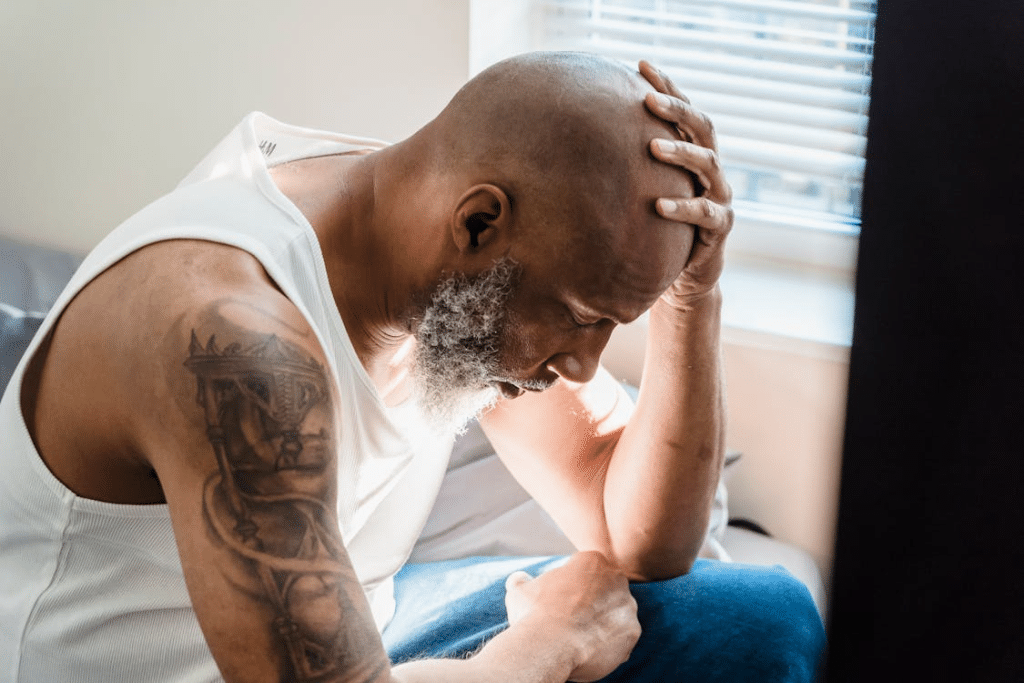
You convince yourself she’s not on your mind, but she is. Every quiet night, every song that hits too hard, every scent that reminds you of her, proves otherwise. Acting like you don’t care doesn’t erase the fact that you do. The sooner you accept the pain, the sooner it stops owning you.








Ask Me Anything