
Parenting changes every part of life. The time, energy, and attention that once fueled your marriage now stretch between work, kids, and trying to stay sane. Many men assume being a good provider means they’re doing their part, but kids and partners need emotional presence too. When one parent quietly steps back, the other ends up carrying the weight, and resentment starts to grow. This list isn’t about blame—it’s about awareness and how showing up more as a dad strengthens your marriage, not drains it.
You See Parenting as “Mom’s Domain”

Some men still subconsciously see parenting as a mother’s territory. That outdated mindset creates a silent distance in the marriage and sets the wrong model for your kids. Being a father isn’t just “helping mom out”—it’s half the job. When both parents are equally invested, the family runs smoothly and respect grows naturally.
You Assume She’s Better at It

Telling yourself she’s “just better” at parenting is an excuse wrapped in flattery. Skills come from repetition, not gender. Every time you step back, you lose confidence, and she gains more exhaustion. The best way to grow as a father is by doing the work, not dodging it. You don’t need to be perfect; you just need to be consistent.
You Check Out During Chaos

When the house gets loud or messy, disappearing into your phone or another room might feel like peace, but it sends the wrong message. Parenting isn’t about waiting for calm moments—it’s about being there through the noise. Kids learn how to handle stress by watching you handle it. Stepping in during chaos shows leadership, not control, and it reminds your partner she’s not alone in the storm.
You Wait to Be Asked Instead of Anticipating Needs

A partner shouldn’t have to give out instructions like a boss. Real teamwork means noticing what’s needed before being told. When you take initiative—packing lunches, checking homework, or starting laundry—you show awareness and respect. Anticipation is a quiet way of saying, “We’re in this together.”
You Don’t Share Mental Load

Remembering appointments, buying birthday gifts, and tracking school schedules count as real labor. When one person carries it all, burnout is guaranteed. Taking ownership of that invisible work builds trust and reduces tension. Your presence in the logistics of family life matters just as much as your presence at the dinner table.
You See Parenting as “Helping,” Not Equal Responsibility

If you describe time with your kids as “helping out,” you’ve already missed the point. Parenting isn’t a favor; it’s a shared responsibility. Your partner shouldn’t feel lucky you’re pitching in. When both parents take full ownership, the household feels balanced, and the marriage feels like a partnership, not a project. Shifting your mindset from assistant to co-lead changes everything—it builds respect and trust in ways money never can.
You Default to Work as a Justification for Absence

Work matters, but using it as a shield from family life sends the wrong message. Being busy doesn’t excuse being emotionally absent. Your family doesn’t just need your paycheck; they need your presence. Even short moments of connection at home can mean more than hours of financial support. When your kids grow up, they’ll remember how you showed up, not how hard you worked.
You Let Your Partner Handle Emotional Conversations

Many men freeze when emotions show up, especially from kids. But when you pull back, you teach your children that emotional comfort only comes from mom. Handling tough moments together builds stronger relationships for everyone. You don’t need perfect words—just attention and patience. Listening is leadership, especially at home.
You Don’t Know the Daily Routines
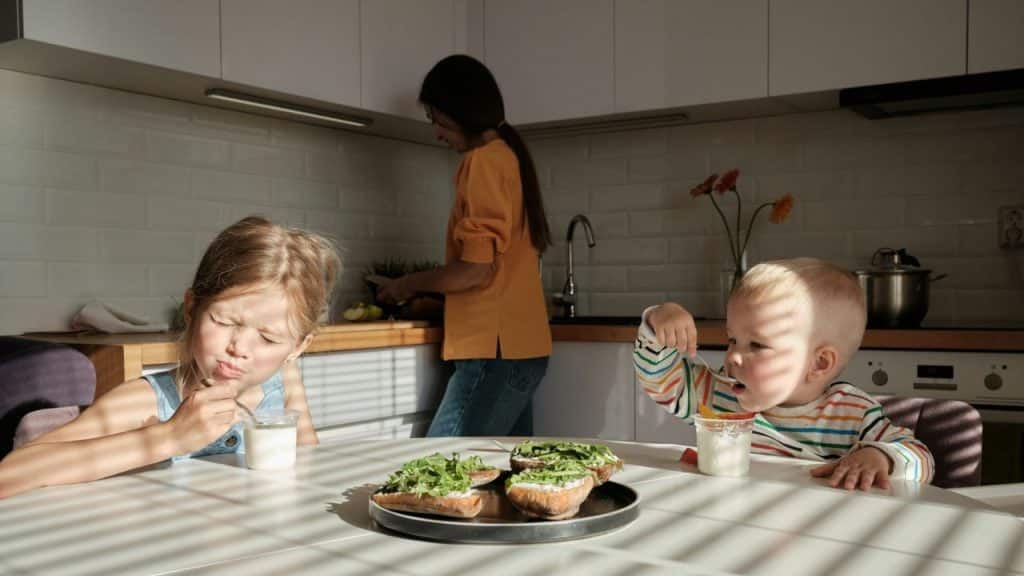
If you don’t know when your kid eats, naps, or does homework, you’re a visitor in your own family life. Knowing the small details is how you stay connected. It’s not about control but about being involved enough to notice when something’s off. Kids thrive on predictability, and so do marriages. Shared routines mean shared responsibility, not one person carrying it all.
You Avoid the Hard Conversations About Discipline

Leaving discipline to your partner might feel easier, but it damages unity. When she’s always the enforcer, she becomes the “bad cop,” and you look detached. Kids pick up on that imbalance fast. Discussing how to handle behavior together creates consistency and respect on both sides. It’s not about power; it’s about partnership.
You Rarely Plan Family Activities

If all the family fun depends on her ideas, it’s not teamwork—it’s delegation. Planning a weekend hike or even a simple board game night shows you care about connection, not convenience. Shared fun keeps the bond alive between everyone, including your marriage. Engagement doesn’t mean perfection; it means showing initiative without waiting to be asked.
You Leave All School Communication to Her

If she knows every teacher’s name and you don’t, that’s not balance. Sharing the mental load of school updates, projects, and events shows you’re invested in your child’s life. It also shows your partner she’s not managing parenthood solo. Being an involved dad isn’t about grand gestures—it’s about caring enough to stay informed.
You Skip the Small Moments

It’s easy to dismiss bedtime stories, morning drop-offs, or random chats as unimportant. But these are the moments kids remember most. Small consistency builds emotional security. For your marriage, it signals commitment beyond responsibility. The little things create a sense of partnership that big gestures can’t replace.
You Undervalue Her Parenting Style

You don’t have to agree on every rule, but criticizing her approach creates distance. Respect starts by acknowledging her effort, even when you’d do things differently. Disagreements handled with respect turn into strength, not division. The goal isn’t to “win” at parenting; it’s to lead together without undermining each other.
You Don’t Communicate About Parenting Frustrations

Holding in frustration over how things are done only builds quiet resentment. Parenting is hard, and pretending otherwise doesn’t make it smoother. Talking about what’s bothering you—without blaming—opens space for real teamwork. Avoiding those talks might keep the peace for a day, but costs connection in the long run.
You Let Her Handle Family Relationships

Coordinating with relatives, planning holidays, or maintaining family ties shouldn’t fall on one person. When your partner manages all of it, she ends up exhausted before the event even starts. Taking initiative in family relationships shows maturity and emotional responsibility. It’s another form of leadership that strengthens your home life.
You Forget that Parenting Is Part of Partnership
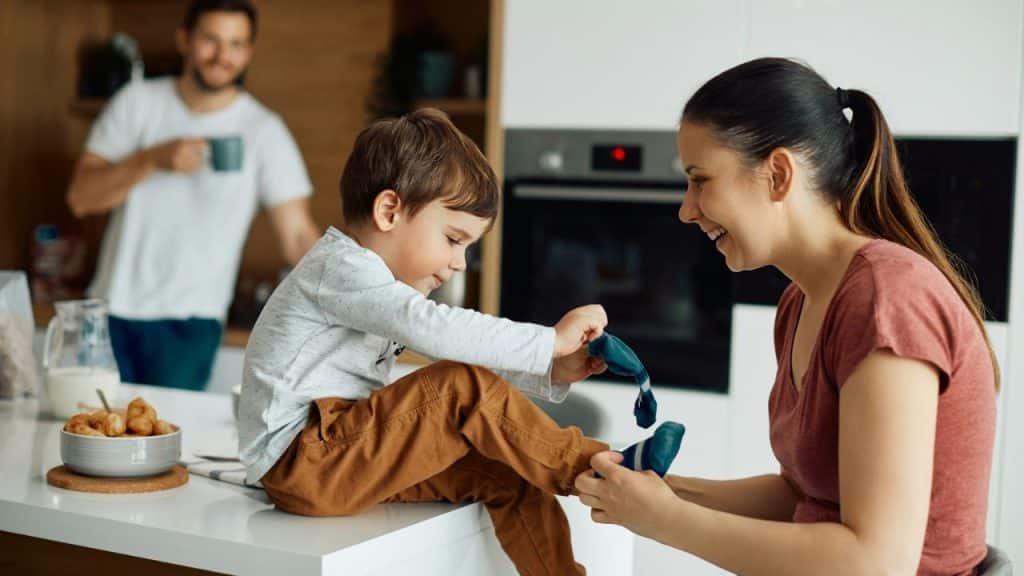
Parenting isn’t separate from marriage—it’s part of it. When you stop showing up as a dad, it affects how your partner sees you as a husband. Shared effort keeps both relationships steady. Reinvesting in your role as a parent brings back respect, teamwork, and the sense that you’re both on the same side.








Ask Me Anything