
In a world where relationships are often curated for social media and filtered through perfection, authenticity has become a rare but vital ingredient for true connection. According to the Gottman Institute, authenticity–rooted in trust, honesty, and emotional safety–is one of the strongest predictors of long-term relationship satisfaction. It’s not about oversharing or being brutally honest all the time, but rather cultivating a space where both partners feel safe to be fully themselves–messy, vulnerable, and real.
Here’s how to do it in ways that are both emotionally intelligent and deeply practical.
1. Practice Gentle Honesty Every Day

Authenticity begins with honesty, but not the kind that wounds. Dr. John Gottman calls it “gentle honesty”–speaking truth with empathy. Instead of saying, “You never listen to me,” try, “I feel unheard when I’m sharing something important.” This form of honesty deepens understanding rather than causing defensiveness. Make it a habit to communicate feelings and needs without blame. Over time, you’ll build emotional transparency and mutual respect.
2. Share Your Inner World

According to the Gottman Institute’s “Love Maps” concept, authentic couples know each other’s inner worlds–hopes, fears, stresses, and dreams. Make time to ask your partner deeper questions beyond “How was your day?” Try, “What’s been on your mind lately?” or “What’s something you’re excited about?” Sharing your internal world makes both of you feel seen and valued beyond surface roles.
3. Repair Quickly After Conflict

Authenticity doesn’t mean being conflict-free–it means handling conflict with care. Gottman’s research shows that successful couples repair quickly after arguments through humor, empathy, or a simple apology. When tensions rise, own your part and reach for connection rather than victory. Authenticity thrives when partners feel safe enough to disagree without fearing emotional withdrawal.
4. Be Curious, Not Critical

When your partner behaves differently than you expect, choose curiosity over criticism. Ask, “What’s behind that reaction?” instead of assuming the worst. Genuine curiosity communicates respect and helps you understand your partner’s emotional triggers and perspectives. It also prevents contempt–a major relationship destroyer identified in Gottman’s “Four Horsemen.”
5. Make Emotional Bids a Priority

Every small interaction–a look, a question, a touch–is an “emotional bid.” Gottman’s research found that couples who “turn toward” these bids rather than ignore them stay connected. When your partner makes a bid for attention or affection, respond warmly. Authentic love is built not in grand gestures but in these micro-moments of responsiveness.
6. Create a Culture of Appreciation
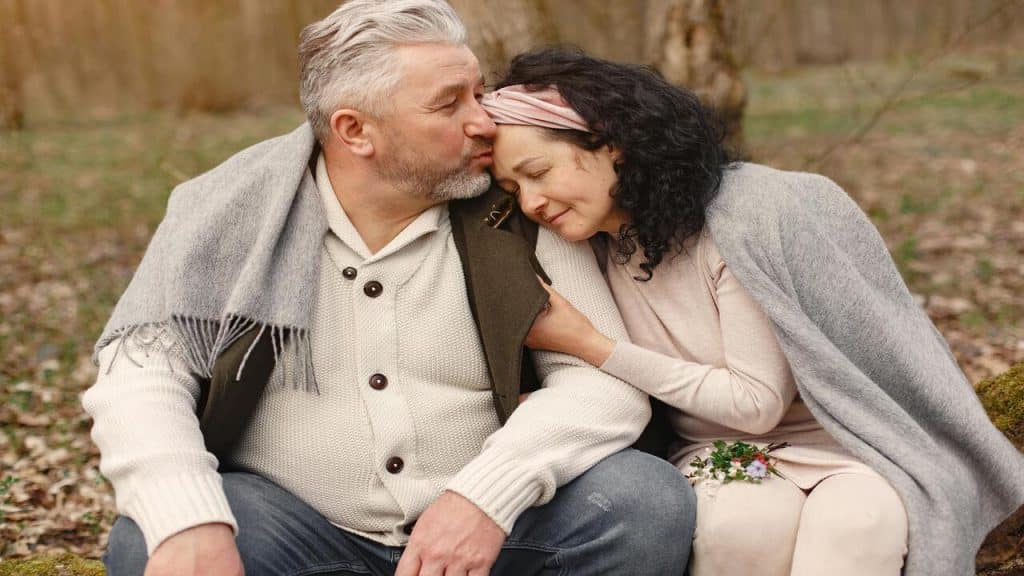
Authentic relationships thrive in an environment of gratitude. Instead of letting routine dull your connection, make it a point to express appreciation daily. Say “thank you” for the little things–making coffee, sending a kind text, or showing patience. The Gottman Institute found that stable couples have a 5:1 ratio of positive to negative interactions. Building appreciation reinforces emotional safety and counters resentment before it grows.
7. Be Transparent About Your Needs

Your partner isn’t a mind reader. Being authentic means stating what you need clearly and kindly. Whether it’s more quality time or reassurance, expressing it out loud prevents misunderstanding and resentment. According to Gottman’s research, open communication about needs strengthens trust because it replaces guesswork with clarity. When you articulate your inner world, you invite your partner to do the same.
8. Allow Space for Individual Growth

Authenticity in love isn’t about merging into one identity–it’s about supporting each other’s individuality. Encourage your partner’s interests, friendships, and personal goals. The healthiest couples balance “me time” and “we time.” Gottman calls this building “shared meaning” without losing personal purpose. When both partners feel free to evolve, the relationship grows richer and more genuine.
9. Validate Feelings, Even When You Disagree

Validation doesn’t mean agreeing–it means acknowledging that your partner’s feelings make sense to them. When they share frustration or sadness, resist the urge to fix or dismiss. Try, “I can see why you’d feel that way.” Gottman’s studies show that validation lowers defensiveness and fosters empathy. It’s one of the simplest, most powerful ways to make your partner feel safe and understood.
10. Replace Judgment with Empathy

Empathy is the foundation of authenticity. Instead of judging your partner’s reactions or mistakes, ask yourself, “What might they be feeling right now?” This shift opens the door to compassion rather than criticism. Gottman’s research links empathy to long-term stability because it creates emotional trust–the feeling that your partner is truly on your side.
11. Keep Promises, Even the Small Ones

Authenticity is built through consistency. When you follow through on small commitments–like calling when you said you would–you send a powerful message: “You can trust me.” Over time, reliability becomes emotional glue. Broken promises, even tiny ones, chip away at that bond. Keep your word, and your partner will feel secure enough to be authentic too.
12. Admit When You’re Wrong

One of the strongest indicators of emotional maturity–and authenticity–is the ability to admit fault. Gottman found that couples who can say, “I was wrong” or “I overreacted” repair conflicts faster. It shows humility and accountability, two traits that foster emotional safety. Authentic partners value truth over ego, which keeps the relationship grounded in reality.
13. Speak Your Truth Without Weaponizing It

Honesty without compassion can become cruelty. Authentic communication means expressing truth with the intent to connect, not control. Before you speak, ask, “Is this helpful or just hurtful?” When you center your words on understanding, not scoring points, you build trust and emotional closeness instead of defensiveness.
14. Make Rituals of Connection

Gottman’s research emphasizes “rituals of connection”–daily or weekly habits that keep love alive. Whether it’s a morning coffee together, Friday movie nights, or a hug before leaving the house, these rituals reinforce belonging. They remind you both that even amidst chaos, your relationship remains a safe, consistent space.
15. Let Vulnerability Lead

True authenticity means daring to be seen. Share your fears, insecurities, and dreams–even if it feels uncomfortable. Vulnerability, as Brené Brown and Gottman both highlight, is the birthplace of intimacy. When one partner opens up, the other feels invited to do the same. That emotional reciprocity deepens love far beyond surface connection.
16. Learn to Self-Soothe Before Reacting

Authentic communication can’t happen when you’re emotionally flooded. Gottman advises couples to pause and self-soothe–deep breathing, taking a walk, or journaling–before engaging during conflict. This protects the relationship from harsh words spoken in anger. When both partners manage their emotions well, authenticity can flourish without fear or volatility.
17. Celebrate Each Other’s Wins

Authenticity isn’t just about weathering storms–it’s about celebrating sunshine too. Research shows that how partners respond to each other’s good news predicts relationship satisfaction. When your partner succeeds, express genuine joy and pride. Enthusiastic support reinforces emotional intimacy and reminds both of you that you’re teammates, not competitors.
18. Keep Choosing Each Other, Every Day

Authenticity isn’t a one-time decision–it’s a daily practice. Keep showing up with honesty, empathy, and curiosity. Even on ordinary days, choose to listen, forgive, and connect. Gottman’s research reminds us that strong relationships are not built on perfection but on the consistent effort to love each other as you truly are–flawed, human, and real.








Ask Me Anything