
You’ve met someone who says she’s fine with your kids. But deep down, you feel a shift. Some relationships start with the right words, yet you’re left wondering if she’ll ever truly embrace your kids, or if you’ll still live with the “almost but not quite” of it.
If you recognize more than a few of these, it’s your cue to step back, reassess, or walk away before you give her more space in your kids’ lives .
She Talks “Kids” Instead of Saying Their Names

It means she hasn’t bothered to invest in real familiarity. A partner who truly accepts your kids will speak the language of their lives. Using someone’s name is a sign of a deeper connection and genuine effort. If she avoids it, she’s staying at arm’s length. You should expect she knows them beyond surface level.
She Never Makes Time for Kid-Friendly Outings

You suggest a family-friendly event, but she always opts out. Over time, those “maybe next times” add up to a pattern. Patience and presence are crucial when integrating into a partner’s family with children. If she consistently avoids experiences tied to your kids, she may want the relationship minus their involvement.
She Complains About Your Custody Schedule

When you mention your custody or visitation schedule, she huffs over “your kids again?” or rolls her eyes about another weekend of you being gone. She treats your responsibilities to your children like an interruption to her life. That’s a warning. Your kids are your commitment. If she sees that as an obstacle, she’s likely unsuited for blending into your world.
She Criticises Your Ex or the Co-Parenting Arrangement

It might start as a casual remark. But when her criticism becomes frequent or disrespectful, it shows a lack of empathy for your family dynamic. When you date someone who fails to respect the existing parent-child relationship, you’re in for trouble. Your kids already have enough history and complexity without adding a partner who judges their other parent.
She Sets Boundaries You Never Discussed

You talk about the future, but she suddenly draws invisible lines. These unspoken rules aren’t honest. If she hasn’t discussed the sort of involvement she’s willing to have with your kids, and you find yourself learning her limits by circumstance, she may already have a plan B. Stay detached. To build a solid future, you should clarify roles.
She Never Asks About Them
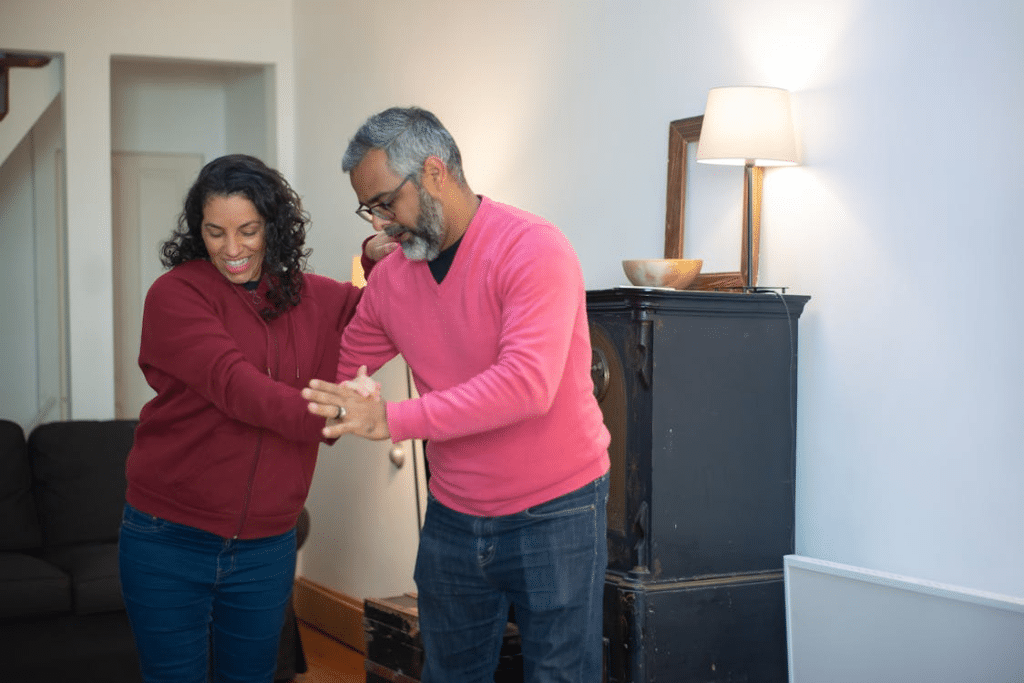
Ask her how she’s getting along with your son, or what your daughter’s current interest is. If her replies are flat, quick, or dismissive, that’s not someone integrating into a family. When a partner cares about your kids, she’ll ask about the little things: their hobbies, challenges, or what makes them laugh.
She Acts Like You’re Choosing Them Over Her

You miss a date because your child has a school event. She sighs and you feel judged. She jokes about your schedule. This reaction reveals something about her priorities. Choosing your child shouldn’t come with tears or guilt trips from your partner. If you constantly find yourself apologizing for loving your children, you’re with someone incompatible.
She Avoids Being Introduced to Them

It’s understandable to wait until things are serious. But if she keeps delaying their meeting with vague excuses, she’s staying distant. Patience is critical when dating someone with kids, but so is commitment. If she isn’t willing to step into your world while you’re still dating, it’s unlikely she’ll step in fully later. That pattern exposes her emotional limit.
She Undermines Your Parenting in Front of Them
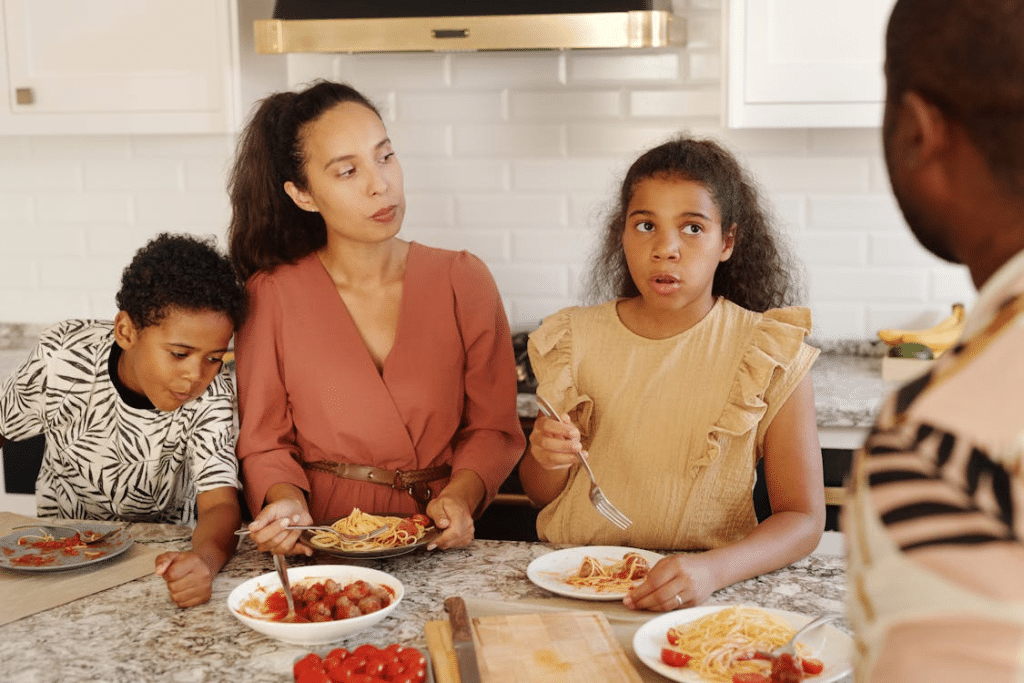
You tell a story about your morning routine with your son. She laughs or makes a dismissive comment. When your daughter explains something important, she shrugs. Psychologists call this “parentification risk.” It’s when children feel the adult is unbalanced or not unified. You need someone who treats you like the father you are.
She’s Always Hustling for “Our Time”

She wants weekend getaways, nights out, late dinners, but when it’s family time, or events involving your kids, she suddenly gets busy. That’s a sign she values you when you’re just you. You’ll need someone committed to your kids, to,o if the relationship goes long-term.
She Avoids Blended-Family Talk

You bring up holidays, household routines, camping, and summer plans with your kids. She changes the subject. She never says “I’d love to spend time with your daughter” or “I’m okay if she stays over.” Blending families takes communication and upfront honesty. If she refuses to even talk the talk, she’s unlikely to walk the walk.
She Gives You Conditions

Statements like “I’ll be with you if your kids aren’t in our life two days a week” or “I’ll like them when they’re older and don’t need me” mean she views your children as a problem to solve, rather than part of your life. If you have to negotiate how your kids fit in her life, she’s not accepting them fully.
She Pulls Away When They’re Doing Well

You share a milestone, but there’s no excitement from her end. Then you mention your daughter’s practice game. She sighs. It hurts because your triumphs are your life and she can’t celebrate them. When a partner accepts your kids, she’ll invest emotionally in their wins. If she doesn’t, you’re building a life where someone’s always on the outside.
You Feel Like You’re Serving Two Households

You try to involve her in your family routine, and she resists. She wants you in her world, but not hers in yours. You plug into her friends, friends, outings, but she’s missing the one that matters: your kids. A mature partner knows that you come as a package deal. If she treats your kids as optional, she treats your life as optional.
They Ask You How She Really Feels

You don’t know what to say. That confusion is deeper than any single sign. Children pick up on instability and deceit. According to experts, children’s emotional safety depends on consistent signals from all adults in their lives. If you cannot answer your child that question honestly, you owe it to them and to yourself. Stop delaying clarity.
You Keep Hoping “It’ll Get Better”

Time has passed. The patterns haven’t changed. Your gut is nagging. You still feel unseen, your kids still feel kept out, and the mismatch remains. When the same signs play on repeat, it’s not a phase. Relationships are built on action, respect, and inclusivity. If she hasn’t stepped in after all this, she may never.








Ask Me Anything