
Men and women live under different social spotlights. Some rules are unspoken, others are blatant, but they’re there all the same. Every guy has probably noticed how certain behaviors earn women a pass while men get criticized for doing the exact same thing. From dating to work to daily life, double standards shape how men are judged and treated. Here are 17 examples of how those double standards play out and what every man can take from them.
Being Close Friends with the Opposite Sex

Women with male friends are seen as friendly or social. Men with female friends are questioned about their motives. It’s a frustrating double bind that can make genuine friendships harder to maintain. Trust and boundaries matter, but friendship shouldn’t come with suspicion just because of gender.
Choosing Not to Have Kids

When a woman says she doesn’t want kids, people call it a personal choice. When a man says it, others assume he’s selfish or immature. The pressure to “start a family” still weighs heavily on men in many cultures. Not wanting children doesn’t mean you lack purpose—it means you know what life you want to build.
Showing Emotion Publicly

When women cry, people call it human and heartfelt. When men do, it’s often seen as weakness or a lack of control. Society still struggles with the idea that strength and vulnerability can exist together. You’re told to be “stoic,” but that expectation can eat away at your mental health. The truth? Emotional honesty doesn’t make you less of a man; it makes you a more grounded one.
Being Single After 35

A single woman in her late 30s is “focused” or “independent.” A single man of the same age gets asked what’s wrong with him. People assume men should be settled, successful, and paired off by a certain age. The pressure can make you second-guess your choices, even if you like your freedom. You don’t owe anyone an explanation for building life on your terms.
Struggling Financially

If a woman hits a rough patch, people empathize and say, “You’ll get through it.” When a man does, respect vanishes fast. Society still connects a man’s worth to his wallet. You can lose a job and suddenly lose your status with it. That’s not support—it’s conditional acceptance disguised as care.
Earning Less Than Your Partner

If a woman makes more, it’s empowerment. If a man earns less, it’s humiliation. Society tells men their paycheck defines their worth, even when relationships should be about teamwork. You can contribute in ways that aren’t just financial—and that still counts.
Being a Stay-at-Home Parent

A woman who stays home is nurturing and selfless. A man who does the same is lazy or “living off her.” Society still can’t accept that men can choose family over career. Caring for your kids isn’t a downgrade—it’s one of the hardest, most respectable jobs out there.
Being Unavailable or “Hard to Get”

When a woman plays it cool, she’s seen as intriguing. When a man does, he’s labeled arrogant or uninterested. The same behavior gets two completely different readings. It’s frustrating, especially in dating, where effort is constantly judged. The key is balance—show genuine interest but keep your standards high.
Prioritizing Looks Over Personality

If a woman says she wants someone tall, it’s just a preference. If a man admits he values appearance, it’s “shallow.” The truth is, attraction works both ways, but men get hit harder for saying it out loud. You don’t need to justify what draws you to someone. Just be honest about your intentions and don’t apologize for having preferences.
Talking About Struggles with Dating or Loneliness

When women vent about dating, they get sympathy and support. When men open up, they’re often told to “man up.” That silence around men’s emotions can turn isolation into a habit. Sharing your struggles doesn’t make you weak—it builds resilience. Talk to people who understand instead of bottling everything inside.
Using Social Media for Validation

Women can post selfies, filters, or outfit shots and get positive engagement. Men doing the same risk being mocked or ignored. Society allows women to seek validation openly while men are expected to stay low-key. But everyone wants to be seen sometimes. Share what matters to you instead of chasing approval.
Having Double Standards in Dating Preferences

A woman saying “no short guys” barely raises eyebrows. A man saying “no overweight women” can spark outrage. The dating world is full of uneven reactions to personal preferences. It’s a reminder that men’s opinions often get policed harder. Be respectful, but don’t let guilt control your standards.
Dating Someone Younger
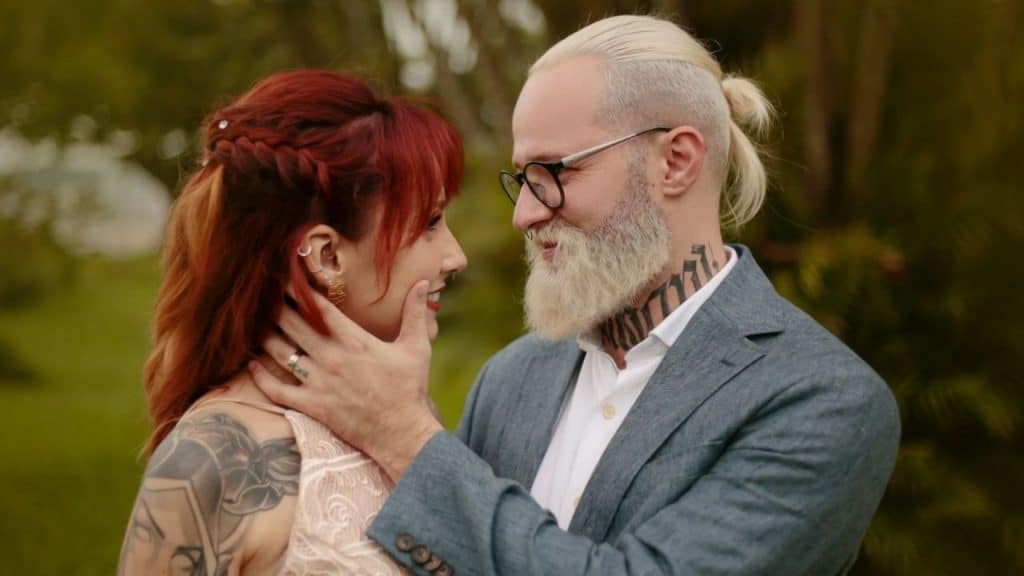
When a woman dates a younger man, it’s celebrated as confidence. When a man does, he’s instantly called a midlife cliché. People ignore chemistry and jump straight to judgment. It’s strange how age gaps only offend when the man’s older. Connection shouldn’t come with a moral label.
Talking About Mental Health
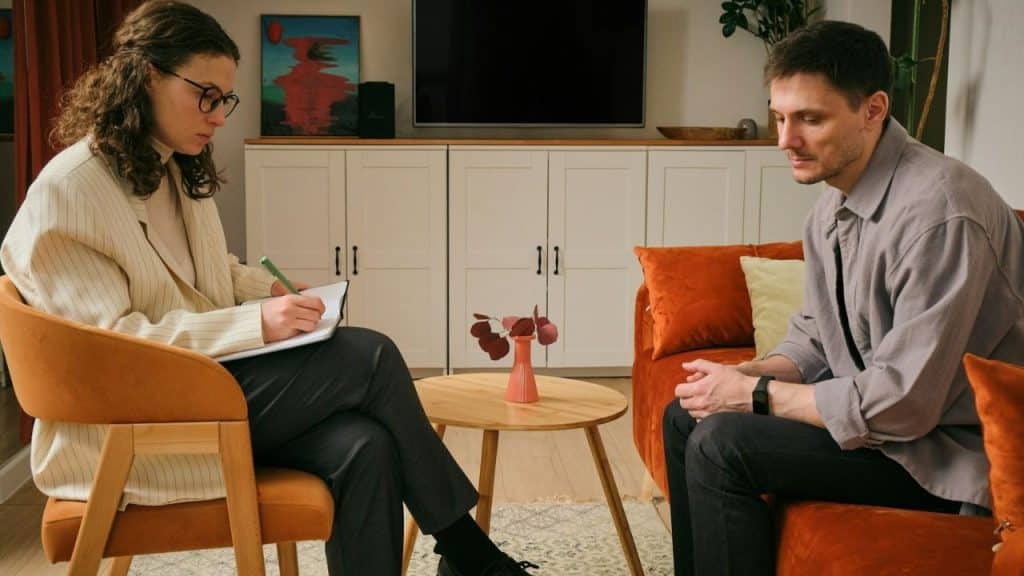
Men are finally starting to open up about mental health, but judgment still lingers. Society expects men to be resilient at all times. Admitting you’re struggling can make others uncomfortable, even though everyone deals with it. Breaking that stigma takes guts. Keep speaking up—every honest conversation moves the needle for all men.
Expressing Confidence or Self-Praise

When a woman talks about her success, she’s empowered. When a man does, he’s “full of himself.” The line between confidence and arrogance is drawn differently depending on gender. You shouldn’t have to downplay what you’ve earned. Confidence isn’t arrogance when it’s grounded in reality and respect.
Making Mistakes in Parenting

A mom who slips up is told she’s doing her best. A dad who struggles is accused of not trying hard enough. Society still views fathers as assistants, not equals, in parenting. That mindset needs to change. Being a great dad isn’t about perfection—it’s about showing up, learning, and caring every day.
Making Sexual Jokes or Comments

A woman can joke about men’s looks or preferences, and everyone laughs. A man saying something similar risks being branded inappropriate. Humor is supposed to be on equal ground, yet men tread carefully while women are free to tease. If something isn’t okay for one, it shouldn’t be okay for either.








Ask Me Anything