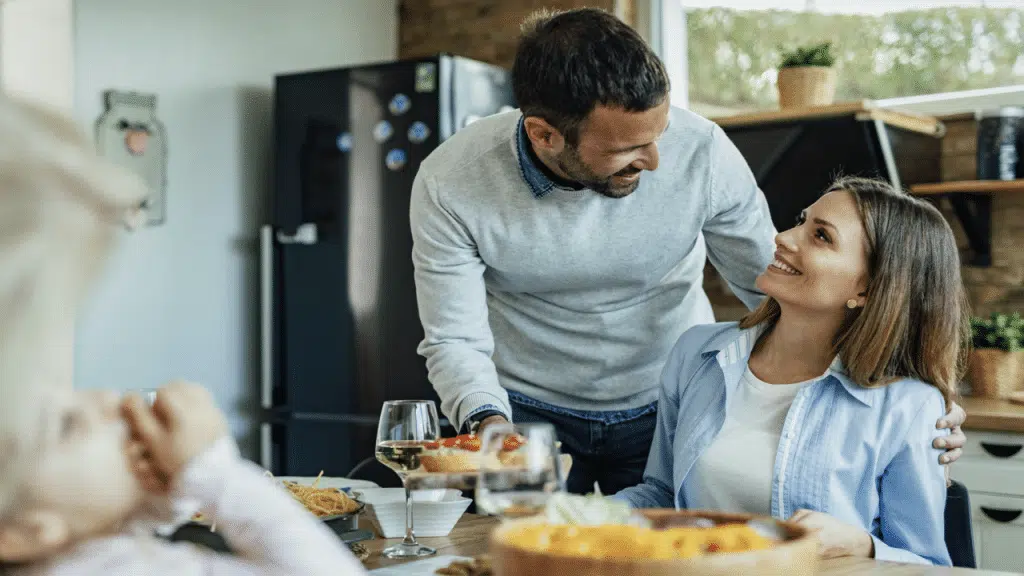
Being a “good husband” isn’t about being perfect. It’s about being present. It’s easy to convince yourself you’re doing well because you provide, stay loyal, or handle responsibilities–but being a great partner is about emotional effort, not just logistical effort. The real test lies in how you listen, how you handle conflict, and how safe your partner feels around you.
These 18 questions aren’t designed to judge you. They’re meant to make you think deeper–about how you show up, how you communicate, and whether your actions truly align with your love. Answer them honestly, and you’ll know where you stand–and what you can do to be better.
1. Do you listen–or do you just wait to respond?

Many men think listening means being quiet until it’s their turn to speak. But real listening is active. It means trying to understand how your wife feels, not just what she’s saying. It means staying off your phone, asking follow-up questions, and not jumping straight to advice. Listening isn’t about solving–it’s about showing empathy. When she feels heard, she feels loved.
2. Do you make her feel emotionally safe?

A woman can’t fully open up to a man who reacts with anger, mockery, or withdrawal. Emotional safety means she can express fear, sadness, or frustration without worrying you’ll explode or shut down. Ask yourself: when she’s vulnerable, do you protect that moment or dismiss it? Being emotionally safe doesn’t mean avoiding hard conversations–it means handling them with calm and care.
3. Do you know her love language–and actually speak it?

You might show love through doing chores or buying gifts, but if her love language is quality time or words of affirmation, you’re missing the mark. Knowing how she feels loved is one thing; doing it consistently is another. A good husband learns to love in her language, not just his own. That’s what builds connection, not confusion.
4. Do you show appreciation daily?

Gratitude is the oxygen of a healthy marriage. When you stop saying “thank you,” small resentments start to grow. Appreciate her not just for big sacrifices, but for everyday things–like keeping the household running, showing kindness to your family, or being there for you. A simple, “I see what you do, and it matters,” can change the tone of your entire relationship.
5. Do you own your mistakes–or deflect blame?

It’s easy to get defensive when you’re called out. But accountability is the backbone of trust. Saying “I messed up” doesn’t make you weak–it makes you reliable. When you own your missteps, you teach your wife she can count on your honesty more than your ego. That’s how repair becomes possible after conflict.
6. Do you still flirt with her?

Flirting doesn’t end with marriage–it’s what keeps the spark alive. Compliment her. Tease her playfully. Send a random “thinking of you” text. It’s not about grand romantic gestures–it’s about small reminders that she’s still your person, not your roommate. Emotional connection deepens when you keep showing desire after the vows.
7. Do you help without being asked?
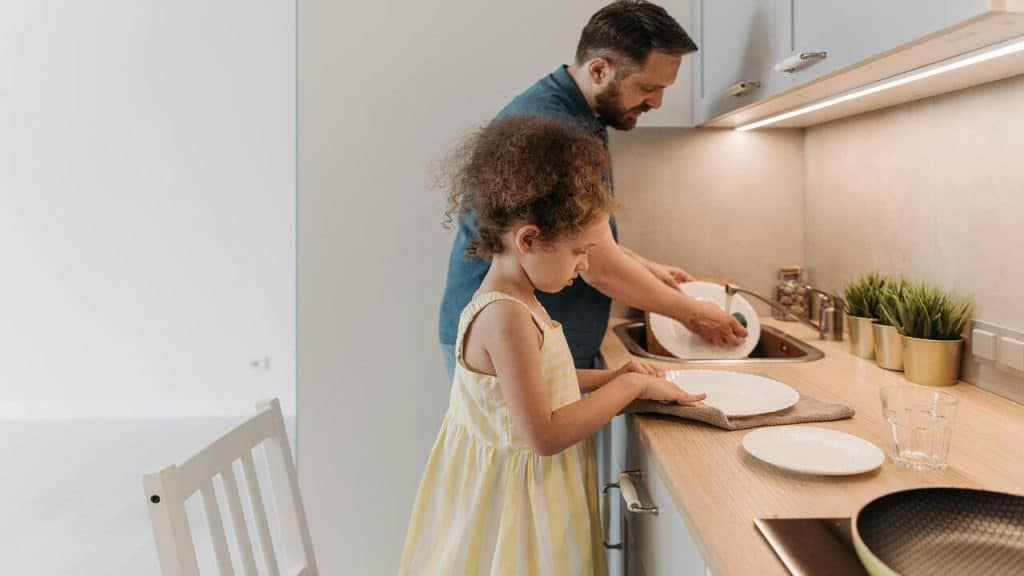
One of the clearest signs of a good husband is initiative. If she always has to ask for help, she’ll feel like the household manager, not a partner. Pay attention. Notice what needs to be done, and do it without fanfare. True partnership isn’t about helping her–it’s about building a shared life where both of you carry the load.
8. Do you know what stresses her out lately?

If you can’t answer that question, you’ve probably stopped checking in. Every woman carries invisible stress–work, kids, aging parents, self-image–and feeling unseen makes it heavier. A good husband doesn’t wait for her to break down. He asks, listens, and supports before it turns into burnout. That kind of attentiveness is rare–and powerful.
9. Do you treat her with the same respect you show others?

Sometimes, men show more patience to coworkers or friends than to their wives. But the tone you use with her–especially in private–reveals your true character. Respect means no sarcasm, no condescension, and no talking over her. The way you treat her when no one’s watching is the real reflection of love.
10. Do you make time for her even when life gets busy?
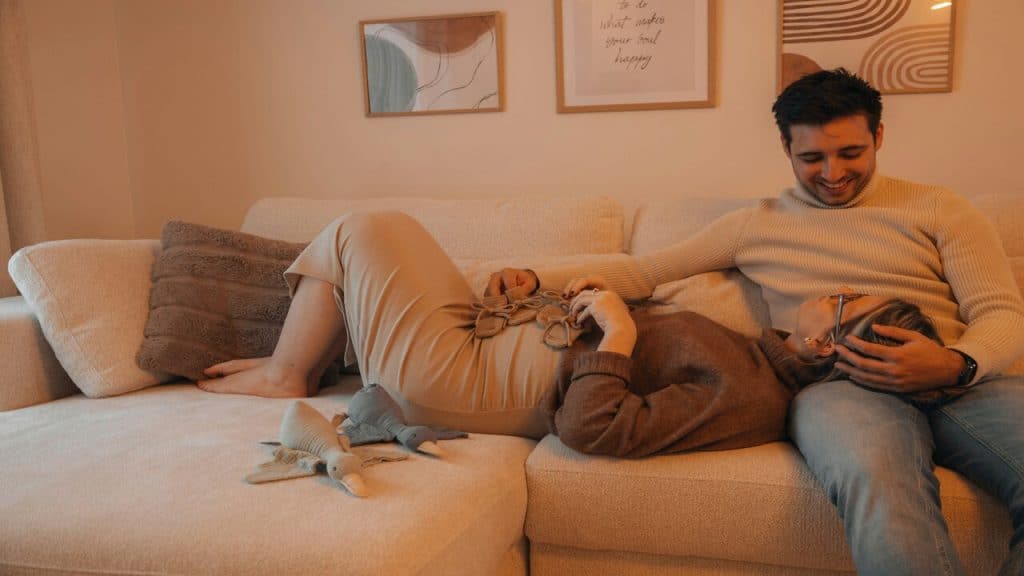
Busyness is the modern man’s biggest excuse. But marriage doesn’t thrive on leftover time–it thrives on intentional time. Whether it’s a weekly date night, a morning coffee together, or ten minutes before bed, make connection a ritual. Love fades quietly when you stop prioritizing presence.
11. Do you support her dreams, not just your own?

A strong husband doesn’t just chase his ambitions–he champions hers, too. That means cheering her on, picking up extra slack when she’s pursuing something, and believing in her potential even when she doubts herself. When her wins feel like our wins, you become a true partner, not a competitor.
12. Do you speak kindly about her in public?

What you say about your wife when she’s not around says everything. Do you speak with admiration–or make jokes at her expense? Public respect builds private trust. When she knows you have her back in every setting, she can relax and lean into the relationship without fear of betrayal or embarrassment.
13. Do you handle disagreements with maturity?

Conflict doesn’t destroy marriages–immaturity does. Yelling, stonewalling, or using the silent treatment creates emotional distance that’s hard to repair. A good husband argues with respect, focuses on solutions, and takes breaks when needed instead of blowing up. It’s not about winning–it’s about staying connected even when you disagree.
14. Do you make her feel desired?

Desire isn’t just physical–it’s about making her feel wanted and chosen. Compliment her not just on how she looks, but who she is. Touch her affectionately without expecting sex. Flirt, initiate, and remind her that she still lights you up. The emotional side of desire is what keeps intimacy alive long term.
15. Do you apologize the right way?

“I’m sorry” isn’t enough if it’s followed by excuses or defensiveness. A sincere apology includes ownership, empathy, and changed behavior. If you hurt her, even unintentionally, acknowledge it fully. The best husbands don’t minimize pain–they repair it. Because love isn’t proven by perfection, but by how you make things right.
16. Do you share emotional labor–or leave it all to her?

Emotional labor means remembering birthdays, managing the household rhythm, planning family stuff, or noticing when someone’s upset. Many men don’t realize their wives carry this mental load alone. A good husband pays attention and steps in without being told. Equality isn’t just about income–it’s about emotional effort.
17. Do you still surprise her?

Routines are comforting, but predictability can dull passion. Surprise her–not just with gifts, but with effort. Plan a date, leave a note, cook dinner without warning. Spontaneity reminds her that love isn’t static–it’s alive. The best husbands keep curiosity and playfulness alive, even after years together.
18. Would she say you make her life better–or heavier?
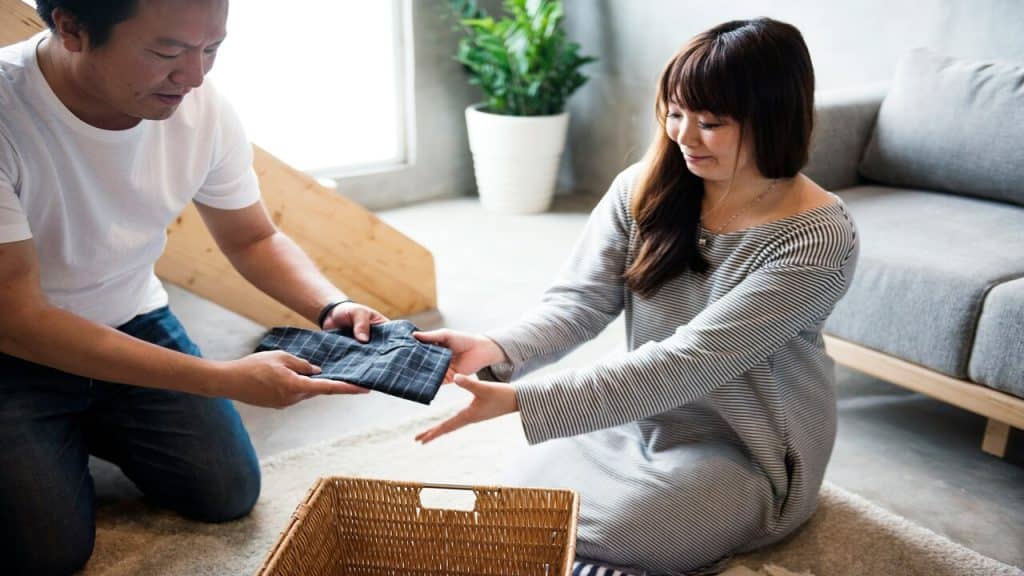
At the end of the day, this is the question that matters most. Do you bring peace or pressure into her world? Does your presence lighten her load or add to it? A good husband makes life easier–not perfect, but kinder, safer, and more joyful. That’s the real mark of love–not what you say, but how she feels because of you.








Ask Me Anything