
Boomers built their marriages on unspoken rules. Most of them sounded noble at the time—duty, loyalty, family first—but underneath was a quiet pressure to perform, hide, and endure. Those rules shaped generations of couples who looked perfect on the outside while crumbling on the inside. Today, Gen Z would look at those same standards and say, “No thanks.”
It’s not that modern couples don’t value commitment. They just refuse to live inside outdated roles that suffocate happiness or honesty. So let’s take a trip back in time and unpack the marriage rules Boomers swore by that wouldn’t last a week in 2025.
Happy Wife, Happy Life

For Boomers, this wasn’t advice—it was gospel. Men were told that peace in the house came from silence and compliance. You kept your thoughts to yourself, smiled through frustration, and called it love. The problem is, resentment always collects interest. Gen Z sees relationships as partnerships, not hostage negotiations, and expects both sides to speak up without fear.
Never Talk About Problems Outside the Marriage

Boomers treated privacy like a religion. You didn’t tell anyone about the cracks, not even your closest friends. But burying pain doesn’t make it disappear—it just turns into emotional rot. Gen Z doesn’t see therapy or talking to a mentor as a weakness. They’d rather fix the foundation than pretend the house isn’t sinking.
Divorce Was a Scandal, Not a Solution

Back then, divorce wasn’t a decision—it was a disgrace. Couples stayed miserable to keep up appearances, even if love died years earlier. Modern generations call that what it is: survival mode. Gen Z believes walking away from a toxic marriage isn’t failure—it’s self-respect.
The Man Pays, Period

For Boomers, a man’s wallet was proof of his worth. You paid for dinner, the bills, and everything in between because that was “being a man.” Today, financial equality is the rule, not the rebellion. Gen Z doesn’t measure masculinity by the size of a paycheck, but by how a man shows up—honestly, with stability, and in partnership.
Women Handle the Home, Men Handle the Bills

This rule aged like milk. It boxed men into constant stress and women into unpaid labor. Modern couples split the work based on skill, not gender. Gen Z doesn’t care who cooks dinner or fixes the sink—they care about teamwork and fairness.
Stay Married No Matter What

Boomers saw endurance as love, even when it meant living in quiet misery. You didn’t quit marriage, no matter how bad it got. But commitment without connection is just a long sentence. Gen Z doesn’t romanticize suffering; they value peace over pretending.
Emotions Were a Sign of Weakness

A real man didn’t cry, talk about feelings, or say he was hurt. That’s how Boomers were raised. The result? Emotional constipation. Gen Z men are flipping that script. They know vulnerability isn’t weakness—it’s strength in a world obsessed with fake toughness.
Intimacy Was Duty, Not Connection

For many Boomer couples, intimacy was something you did, not something you felt. It was routine, transactional, and rarely discussed. Today’s couples expect intimacy to mean communication, comfort, and chemistry—not obligation. Sex is no longer currency for compliance; it’s connection built on honesty.
The Wife’s Opinion Came Second

“Head of the household” wasn’t just a title—it was a hierarchy. Many Boomer men made the big calls while their wives managed the fallout. Gen Z relationships run like a partnership, not a dictatorship. They see shared decision-making as a sign of respect, not rebellion.
Marriage Defined Success

Boomers were taught that being married meant you’d “made it.” Singles were pitied, not envied. But Gen Z doesn’t see marriage as a status symbol—it’s a choice, not a checklist. They’d rather be single and sane than married and miserable.
Husbands Didn’t Do “Women’s Work”

Back then, a man holding a mop was seen as emasculating. Wild, right? Modern men know better. Folding laundry doesn’t make you less of a man—it makes you a grown one. Gen Z values men who contribute, not just command.
You Don’t Leave—You Endure
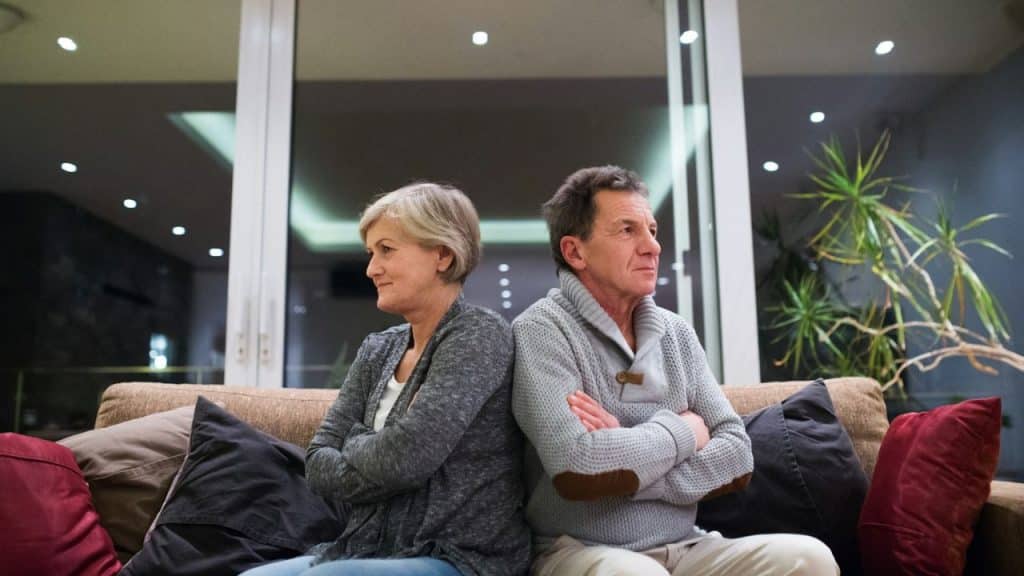
Boomers stayed through affairs, silence, and decades of unhappiness because quitting was worse than being miserable. That mindset built legacies of bitterness. Gen Z would rather face short-term pain than lifelong resentment.
Keeping Up Appearances Mattered More Than Being Happy

The Boomer marriage model was often about performance. The smiles at church, the matching Christmas photos, the “perfect” family image—all while chaos brewed behind closed doors. Gen Z is allergic to fake. They’d rather be authentic and messy than polished and miserable.
Kids Came Before Everything—Even the Marriage

Boomers believed sacrificing the relationship for the children was noble. But kids pick up on unhappiness faster than adults admit. Gen Z knows that a strong marriage makes stronger kids. Prioritizing the relationship isn’t selfish—it’s smart parenting.
Counseling Was for “Broken” People

Boomers didn’t go to therapy—they went to church or stayed quiet. The stigma around counseling kept generations stuck in silence. Modern couples treat therapy like maintenance, not crisis control. They fix the car before the wheels fall off.
16. Men Provided, Women Nurtured—End of Story

This rule built predictable marriages and unpredictable resentment. Gen Z doesn’t care about rigid roles—they care about balance. Both partners can provide, protect, and nurture without their worth being questioned.
17. Don’t Air Dirty Laundry

Boomers were experts at pretending everything was fine. Even when it wasn’t, they equated secrecy with dignity. Gen Z knows silence breeds shame. Talking about the hard stuff doesn’t make a couple weak—it keeps them real.








Ask Me Anything