
Marriage has a way of humbling you. It starts out as this beautiful, passionate partnership–and then, over time, reality sneaks in. The shock isn’t that love fades; it’s that love changes. It stops being about butterflies and becomes about showing up on days when you don’t feel like it.
The truth is, most people walk into marriage unprepared for how much it asks of them. But if you can learn these hard-earned lessons, you’ll stop feeling blindsided and start building something deeper, stronger, and more real.
1. Love Alone Doesn’t Keep You Together
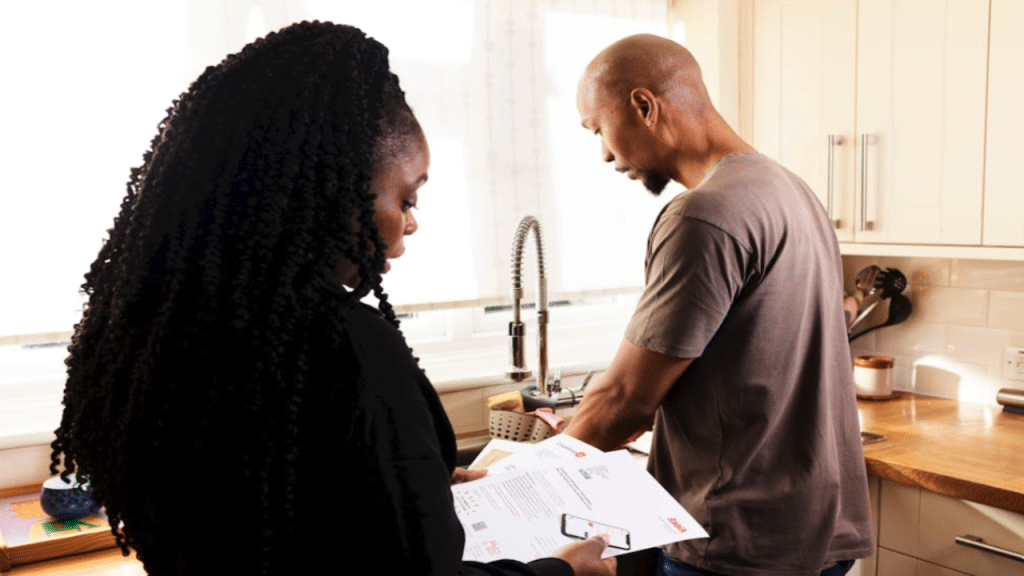
Falling in love is easy; staying in love is work. The day-to-day grind–bills, stress, exhaustion–tests your bond more than any argument ever could. What sustains a marriage isn’t passion but partnership. It’s choosing to communicate instead of shut down, to listen instead of score points. Love is the spark, but teamwork is the fuel that keeps it going.
2. You Marry Their Habits, Not Just Their Heart
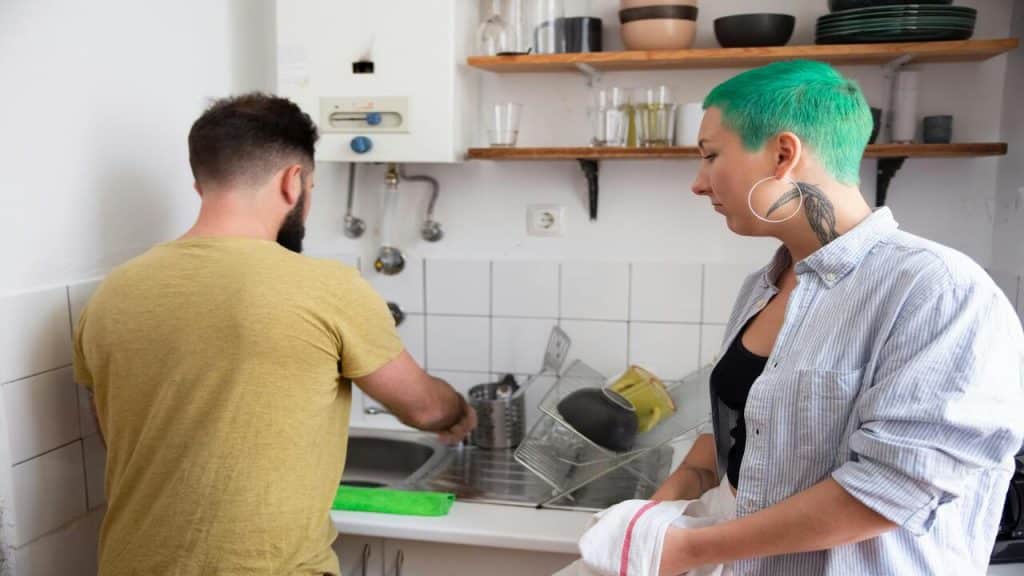
That cute quirk that once made you laugh can become the thing that drives you mad. Marriage means living with someone’s patterns–how they handle stress, money, conflict, and even silence. The sooner you accept that you can’t “fix” your partner, the easier it gets. Growth only happens when both people take responsibility for their own habits, not each other’s.
3. Emotional Distance Can Sneak Up on You

Most couples don’t suddenly fall out of love–they drift. It happens quietly when you stop talking about more than logistics and schedules. You think you’re fine because you’re not fighting, but disconnection can feel like slow erosion. Reconnection takes effort: shared laughter, deeper talks, and moments where you look up from your phones and actually see each other again.
4. You Don’t Always Speak the Same Love Language

One of the biggest shocks is realizing your partner might not show love the same way you do. You might crave words of affirmation while they show love through acts of service. It’s not that they don’t love you–it’s that they love differently. Learning each other’s emotional language can turn constant frustration into genuine understanding.
5. Conflict Isn’t the Problem–Avoidance Is

Healthy marriages don’t avoid conflict; they handle it well. Silence, sarcasm, or walking away doesn’t keep the peace–it just buries resentment. The real strength of a marriage shows in how you fight. Do you attack, or do you problem-solve? The goal isn’t to win but to stay on the same team, even in disagreement.
6. Respect Is Harder to Rebuild Than Love

You can fall back in love, but once respect is gone, everything else crumbles. Disrespect doesn’t always show up as yelling–it can sound like dismissiveness, eye rolls, or talking over your partner. Protecting respect means speaking kindly even when you’re angry and showing appreciation even when it’s hard.
7. Intimacy Isn’t Just Physical

Sex matters, but emotional intimacy matters more. Feeling desired and understood goes deeper than attraction–it’s about trust, safety, and emotional openness. Real intimacy happens when you feel seen, not just touched. It’s the late-night talks, the shared laughter, and the small gestures that make you feel chosen again and again.
8. Your Partner Won’t Meet Every Need

It’s unfair to expect your spouse to be your best friend, therapist, and motivator all at once. Healthy marriages allow for outside support–friends, mentors, hobbies that recharge you. Putting all your emotional weight on one person creates pressure no one can sustain. Balance makes love stronger, not weaker.
9. Marriage Reveals Your Unhealed Parts

Nothing mirrors your insecurities like marriage does. The way you handle rejection, anger, or disappointment often reflects wounds that started long before your spouse entered the picture. Instead of blaming them for triggering you, use those moments as invitations to heal. Growth in marriage is often personal before it’s relational.
10. You Can Love Someone and Still Feel Lonely

Loneliness in marriage doesn’t mean failure–it means disconnection. Sometimes you’re physically together but emotionally worlds apart. The solution isn’t grand gestures but small, intentional ones: reaching for their hand, checking in, being curious about their day. Intimacy starts with attention, not perfection.
11. Forgiveness Is a Daily Decision

Forgiveness isn’t a one-time event–it’s a discipline. You’ll both hurt each other in small ways over the years, and holding onto resentment poisons connection. Real forgiveness doesn’t mean forgetting; it means choosing peace over punishment. It’s how you create space for both of you to grow.
12. You’re Both Constantly Changing

The person you married five years ago isn’t exactly the same person standing beside you today–and neither are you. Change is inevitable, but growing apart isn’t. The healthiest couples stay curious about each other, continuing to learn, ask, and evolve together. Marriage isn’t about staying the same–it’s about adapting side by side.
13. Marriage Isn’t Always 50/50

Some days, it’s 80/20. When one person’s running on fumes, the other steps up–and that’s okay. Fairness in marriage isn’t about splitting everything equally but about showing up generously. Over time, the balance evens out when both partners give without keeping score.
14. Little Things Build–or Break–Trust

Trust isn’t built on grand gestures but on consistency. It’s following through, being honest, and doing what you said you’d do. Every broken promise, no matter how small, chips away at safety. When trust feels shaky, don’t wait for a crisis–rebuild it through daily reliability and open communication.
15. You Don’t Fall Out of Love–You Stop Practicing It

Love isn’t a feeling you keep; it’s a habit you maintain. When you stop being intentional–stop complimenting, stop checking in, stop making time–the warmth fades. The couples who last aren’t luckier in love; they’re more deliberate. They keep choosing affection, humor, and grace even when life gets dull or hard.
16. Marriage Isn’t Supposed to Make You Whole
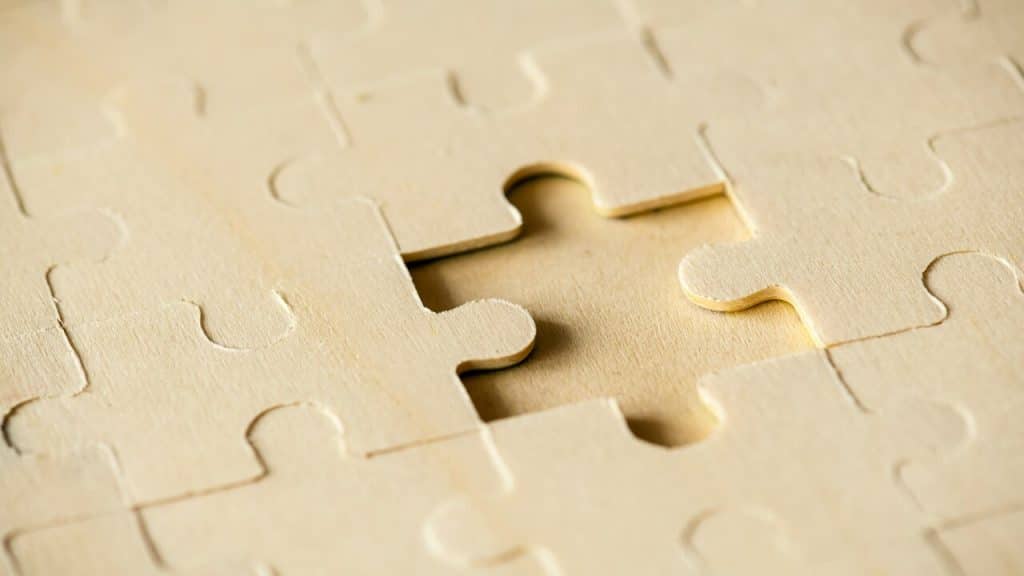
One of the hardest truths is realizing your partner can’t complete you. They can support you, but self-worth and happiness are still your job. When you enter marriage expecting someone to heal your insecurities, you end up draining the relationship. The best partnerships are between two whole people who choose to walk together, not fix each other.
17. The Real Work Starts After the Vows

The wedding is just the beginning. The real story of marriage is written in the daily choices–the patience, forgiveness, and humor that carry you through ordinary days. The shock fades once you realize marriage isn’t about staying in love but learning how to love better, over and over again. That’s where the beauty really lives.








Ask Me Anything