
©August de Richelieu/pexels.com
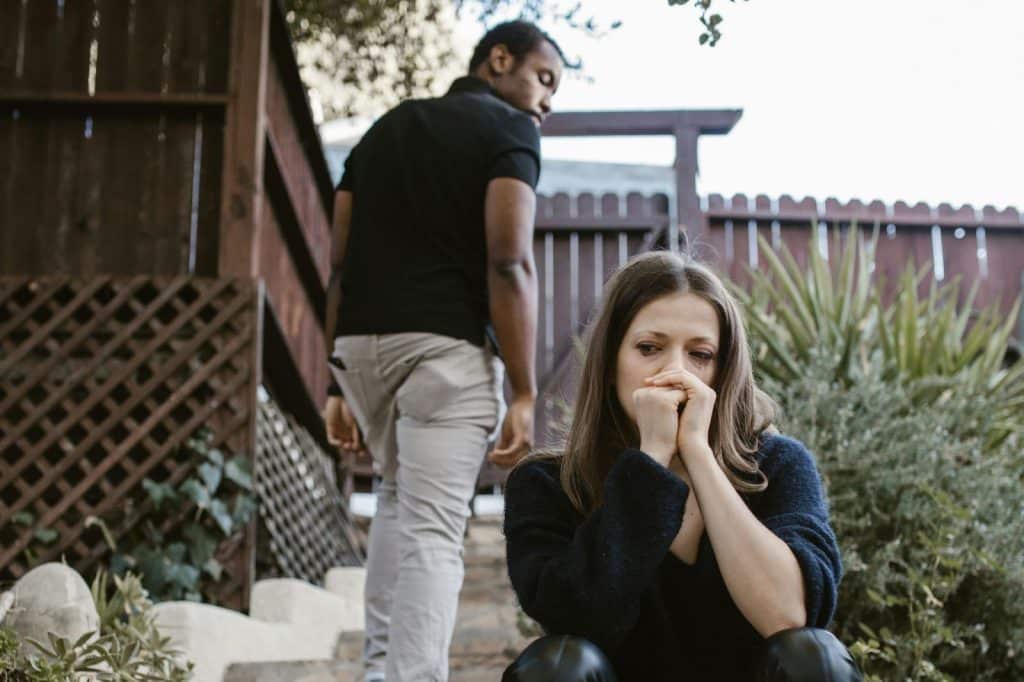
A man and woman looking at each other
Drifting apart doesn’t happen overnight. It starts quietly, in moments so small they almost feel harmless. Couples in their 40s often think they’re stronger than ever, but what’s really grown stronger is the routine. Life becomes predictable, and comfort replaces curiosity. The relationship starts to feel safe, but slowly, the silence between them grows louder. Without realizing it, they begin to share space but not emotion. Here are 19 ways couples grow apart, not in anger, but in quiet distance.
The Routine Becomes the Relationship

Routines keep life steady, but they also make love predictable. Couples start repeating the same days, the same dinners, and the same small talk without noticing how dull it feels. Predictability feels like peace at first but slowly erases excitement. The rhythm of routine turns into the rhythm of disconnection. Before long, they mistake structure for intimacy. A relationship that stops evolving eventually starts fading. The comfort becomes the cage.
Conversation Turns Into Coordination

Once upon a time, they talked for hours; now, it’s just logistics. The talk shifts from dreams and feelings to bills, errands, and schedules. Emotional exchange gets replaced by functional dialogue. Couples assume talking means connecting, but it’s not the same. They speak daily, yet nothing meaningful gets said. When communication becomes management, love starts losing color. The bond weakens in silence, not conflict.
They Mistake Peace for Connection

Many couples think calm means closeness. In reality, peace can hide distance. They stop fighting not because they’re happy, but because they’ve stopped trying. Silence feels easier than honesty, and pretending everything’s fine becomes second nature. Emotional flatlines replace passion, and stillness feels safe, until it feels empty. True peace comes from understanding, not avoidance. Without realizing it, they’ve chosen comfort over connection.
They Stop Checking In Emotionally

Life gets busy in your 40s, work, kids, bills, and aging parents take priority. Couples stop asking each other, “Are you okay?” or “Do we still feel close?” Emotional maintenance becomes an afterthought. They assume everything’s fine because nothing seems broken. But feelings left unspoken slowly drift apart. Intimacy dies quietly when curiosity fades. Checking in emotionally isn’t optional, it’s oxygen for connection.
Affection Becomes Obligation

They still hug, kiss, and say goodnight, but it feels mechanical. What once was natural affection turns into a habit that fills the space, not the heart. They go through the motions to keep the peace, not because they feel it. The warmth fades even as gestures remain. Love becomes polite, not passionate. Physical closeness without emotional depth feels lonelier than distance. It’s affection without meaning, routine in disguise.
They Keep Busy to Avoid Reflection

Busyness becomes a defense. Work hours stretch longer, hobbies fill weekends, and even rest feels scheduled. The goal is to stay distracted from what’s missing. Couples tell themselves they’re productive when they’re really avoiding stillness. In quiet moments, truth speaks too loudly. The more they do, the less they feel. Distraction hides decay, but only for so long, because no schedule fixes what silence creates.
They Stop Being Each Other’s Safe Place

In the beginning, they shared fears and failures freely. Now, vulnerability feels risky, even unnecessary. They confide more in friends, coworkers, or no one at all. Emotional intimacy becomes rare, replaced by polite surface talk. Safety turns into small talk, and closeness gets replaced by civility. When partners stop feeling safe with each other, they stop showing their true selves. That’s when the drift deepens.
They Don’t Argue, and Think That’s a Good Thing

Couples often see the absence of conflict as a sign of maturity. But peace that comes from avoidance isn’t peace, it’s distance. They stop challenging each other, stop pushing for understanding, stop caring enough to fight. The quiet becomes heavy instead of calm. Love without friction turns into indifference. A relationship that’s too polite is often already dying. Real closeness requires occasional collision.
They Prioritize Roles Over Relationship

Parent, planner, provider, caretaker, those roles take center stage. The relationship becomes secondary to survival. They get efficient at managing life but forget to nurture love. Tasks replace tenderness, and duty replaces desire. They function as teammates, not partners. When love becomes a job, emotional distance becomes inevitable. The home runs smoothly, but feels empty.
Intimacy Becomes Predictable or Rare

The physical connection either becomes routine or disappears completely. Couples stop exploring each other’s needs, assuming they already know them. Desire turns into repetition or hesitation. It’s not that attraction fades, it’s that effort does. Intimacy without intention becomes chore-like. When love stops being playful, it stops feeling alive. Predictability kills passion quietly, not suddenly.
They Stop Making Memories Together
Life gets comfortable, but comfort rarely creates stories. The date nights fade, trips get postponed, and “someday” replaces spontaneity. They remember the past more than they live the present. Shared experiences shrink into shared responsibilities. Without new memories, love has nothing to grow on. The relationship stops being an adventure, it becomes an archive.
They Compare More Than They Communicate

At some point, one starts noticing what other couples still seem to have. They scroll, compare, and wonder where the spark went. The other senses it but avoids the topic. Instead of talking about the gap, both pretend it’s not there. Comparison breeds quiet resentment, and resentment creates distance. Love can’t survive in silence built on envy.
They Stop Seeing Each Other Clearly

Familiarity breeds blindness. They stop noticing small details, new interests, changing moods, or unspoken frustrations. Each assumes the other is the same person from years ago. But people evolve, and ignoring that change causes disconnection. The illusion of “knowing” blinds them to who their partner has become. Love that doesn’t update itself becomes outdated. What’s unseen eventually feels unloved.
They Choose Comfort Over Curiosity

The questions that once kept things exciting fade away. Instead of asking what the other thinks, feels, or wants, they assume they already know. Curiosity gives way to convenience. Predictability feels safe but slowly dulls connection. Love without curiosity is maintenance, not intimacy. Every unasked question becomes another step apart.
They Let Resentment Turn Into Routine

Small annoyances accumulate quietly. The sarcastic comments, eye rolls, or cold shoulders become part of daily life. They stop addressing issues because “it’s not worth the fight.” But unresolved resentment doesn’t disappear, it hardens. Eventually, irritation replaces affection. A house full of quiet tension can feel colder than distance itself. What’s unspoken eventually becomes unbearable.
They Forget to Celebrate Each Other

Recognition turns into expectation. Birthdays, successes, and efforts pass by with a simple nod. Over time, appreciation fades and both start feeling invisible. The absence of gratitude doesn’t cause anger, it causes indifference. They stop being each other’s biggest fans. Love thrives on acknowledgment; without it, connection starves slowly. Neglect doesn’t always scream, sometimes it whispers.
They Realize They Grew, Just Not Together

By the 40s, people evolve from life experience, work, and pain. But growth isn’t always parallel. One partner matures emotionally while the other stays the same. That imbalance creates a quiet rift. It’s not about blame, it’s about timing. Two people can still love each other deeply but move in opposite directions. When growth stops syncing, love loses rhythm.
They Stop Seeing the Relationship as a Choice

At some point, love becomes automatic. They stop choosing it daily and assume it’ll maintain itself. But the connection doesn’t survive on autopilot. The effort fades, the spark fades, and the will fade too. They forget that commitment is active, not passive. A relationship that isn’t chosen every day slowly chooses to end itself. The drift starts when effort stops.
They Don’t Notice the Last Goodbye Isn’t Always Spoken

Endings rarely come with closure. One day, they just stop reaching out. The emotional goodbye happens months before the physical one. One partner mentally checks out while the other stays unaware. The real heartbreak isn’t the breakup, it’s realizing how long the distance existed. The drift doesn’t announce itself; it’s noticed too late to fix.
When the Drift Turns to Distance

The saddest part about drifting apart is that it feels peaceful while it’s happening. There’s no explosion, no betrayal, just quiet separation disguised as stability. But the truth is, emotional distance is reversible when recognized early. Love doesn’t die from conflict; it dies from neglect. Awareness is the turning point between drifting and reconnecting. The strongest couples aren’t the ones who never drift, they’re the ones who notice and choose to come back.








Ask Me Anything