
Every man has a quiet vision of the husband he wants to become–the kind who leads with love, listens without judgment, and shows up for his wife in ways that truly matter. But real growth isn’t about grand gestures; it’s about daily choices. It’s how you handle tension, express affection, and own your mistakes. Becoming the husband you’ve always wanted to be doesn’t happen overnight. It’s a process of awareness, humility, and emotional courage.
Here are 18 signs you’re well on your way to becoming the husband you’ve always wanted to be.
1. You take responsibility instead of making excuses

You’ve stopped saying, “That’s just how I am,” when you hurt her feelings. Instead, you pause, reflect, and own your part. That shift–from defensiveness to accountability–signals major emotional maturity. You’ve realized that leadership in marriage isn’t about control; it’s about integrity. The more you take responsibility, the safer she feels in the relationship, and the more she trusts you to grow with her, not against her.
2. You listen to understand, not to win

You no longer listen with your reply locked and loaded. Now, you actually hear her out. You’ve learned that real listening means letting her feel heard, not correcting her perspective. This subtle change transforms arguments into conversations, because she no longer feels like she’s fighting for your attention or your empathy. Listening to understand builds trust, and trust builds connection–the core of every great marriage.
3. You express affection without being prompted

You don’t wait for her to ask for hugs, compliments, or warmth–you give them freely. You’ve realized that affection isn’t just a “love language”; it’s emotional fuel. A random “I appreciate you” or a hand on her back in passing tells her she’s seen and cherished. And when affection becomes consistent, not conditional, it changes the atmosphere of your entire home.
4. You communicate your needs calmly and clearly

Instead of bottling things up until you explode, you’ve learned to speak honestly and respectfully. You don’t expect her to read your mind or fix your moods. You take responsibility for explaining what you feel and what you need, without turning it into a blame game. That’s emotional self-regulation at work–and it’s one of the clearest signs of relational maturity.
5. You apologize without conditions

You’ve dropped the “I’m sorry, but…” and replaced it with genuine accountability. Real apologies don’t justify–they acknowledge. You now understand that saying sorry doesn’t make you weak; it makes you trustworthy. When your wife knows you’ll take ownership without twisting the narrative, it builds emotional safety faster than any promise ever could.
6. You value her perspective as much as your own

You don’t need to “win” every disagreement. You’ve learned that a partnership thrives when both voices matter equally. Even if you don’t agree with her view, you respect it enough to consider it. That respect turns disagreements into collaboration–and shows her that you’re not competing for control, but striving for connection.
7. You do small things that make her life easier
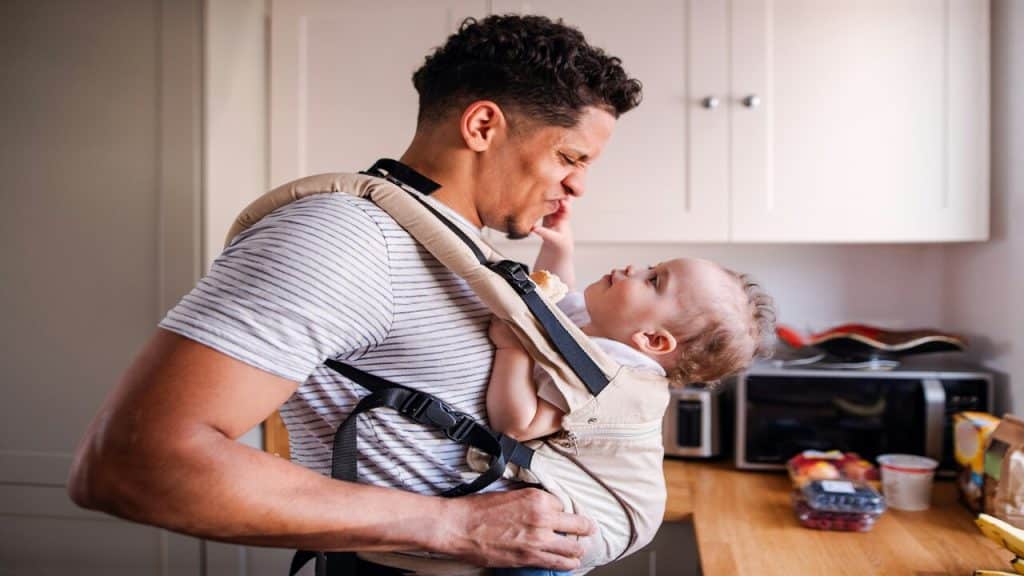
You’ve realized that love isn’t just spoken–it’s shown. You take initiative with chores, errands, or the invisible load she used to carry alone. You don’t wait to be asked; you just do it. Those small acts of service communicate something powerful: “I see your effort, and I’m in this with you.”
8. You make time for her even when life is busy

Instead of saying you’re “too busy,” you prioritize her. Whether it’s a quick coffee together, a nightly walk, or just sitting close while watching TV, you carve out connection. The truth is, attention is the modern form of affection. When you protect time for her, it tells her she’s still your favorite person–not just your partner in logistics.
9. You let go of being “right” all the time

You’ve stopped treating every disagreement like a courtroom argument. You realize that being right isn’t nearly as important as being kind. Letting go of ego makes space for empathy, and empathy keeps the bond strong. You’re not trying to “win” anymore–you’re trying to understand, to grow, and to love better.
10. You’re more patient than you used to be

Patience is love in slow motion. It’s how you respond when you’re frustrated, tired, or misunderstood. You’ve learned that snapping back or shutting down doesn’t help–it only widens the gap. By choosing patience, you create peace. And peace in a marriage isn’t the absence of conflict; it’s the presence of emotional control.
11. You invest in your own growth

You’re not expecting your marriage to fix your flaws–you’re doing the work yourself. Whether that means therapy, journaling, or learning to manage stress better, you’re taking ownership of your emotional health. The stronger you are individually, the more stable you become as a partner. Self-work is one of the most loving things you can do for your marriage.
12. You show gratitude often

You’ve stopped taking her effort for granted. You notice the meals, the reminders, the small gestures–and you thank her sincerely. Gratitude is the oxygen of long-term love; it keeps resentment from creeping in. When “thank you” becomes a regular part of your vocabulary, appreciation replaces entitlement.
13. You protect your marriage from outside distractions

You set boundaries–with work, social media, and even friendships–because you know your marriage deserves focus. You’ve learned that loyalty isn’t just about not cheating; it’s about prioritizing your partner over everything that dilutes your connection. Protecting your marriage means staying intentional about what gets your attention.
14. You celebrate her wins without feeling threatened

When she thrives, you cheer her on–not compete with her. You’ve matured enough to see her success as a shared victory, not a personal threat. Encouraging her ambitions, praising her strengths, and being proud of her in public all show emotional security–and that’s one of the sexiest qualities a husband can have.
15. You create emotional safety for both of you

You’ve learned that emotional safety is more than avoiding anger–it’s about making sure both of you can be vulnerable without fear. You respond with calm, not criticism. You reassure instead of ridicule. That kind of consistency builds deep trust–the kind where both partners feel fully seen and accepted.
16. You laugh with her more often

You’ve stopped letting stress steal your sense of humor. You look for reasons to smile, tease, and make her laugh again. Laughter resets the emotional tone of a relationship–it reminds both of you that you’re not just partners, you’re friends. And friendship is what carries love through the harder seasons.
17. You don’t need recognition for every good thing you do

You’re no longer keeping score. You do good things because it’s who you want to be, not because you want credit. That quiet consistency builds respect. When you serve, listen, or show up without fanfare, it says: “I’m doing this because I love you, not because I need applause.”
18. You still choose her, every day

Even on the days when marriage feels hard, you choose commitment over convenience. You remind yourself that love is a decision–a daily one. And that decision shows up in patience, presence, forgiveness, and care. Becoming the husband you always wanted to be isn’t about being perfect. It’s about being present, intentional, and willing to keep growing, together.








Ask Me Anything