
Men notice when their partner starts going through menopause. Maybe you’ve seen him grow quieter, a little confused, or even distant. He just doesn’t know what to say or how to help. Menopause can shift the emotional and physical rhythm of a relationship. Men often misread their partner’s mood swings or fatigue as rejection rather than hormonal changes.
“I Don’t Know How to Help Without Making Things Worse”
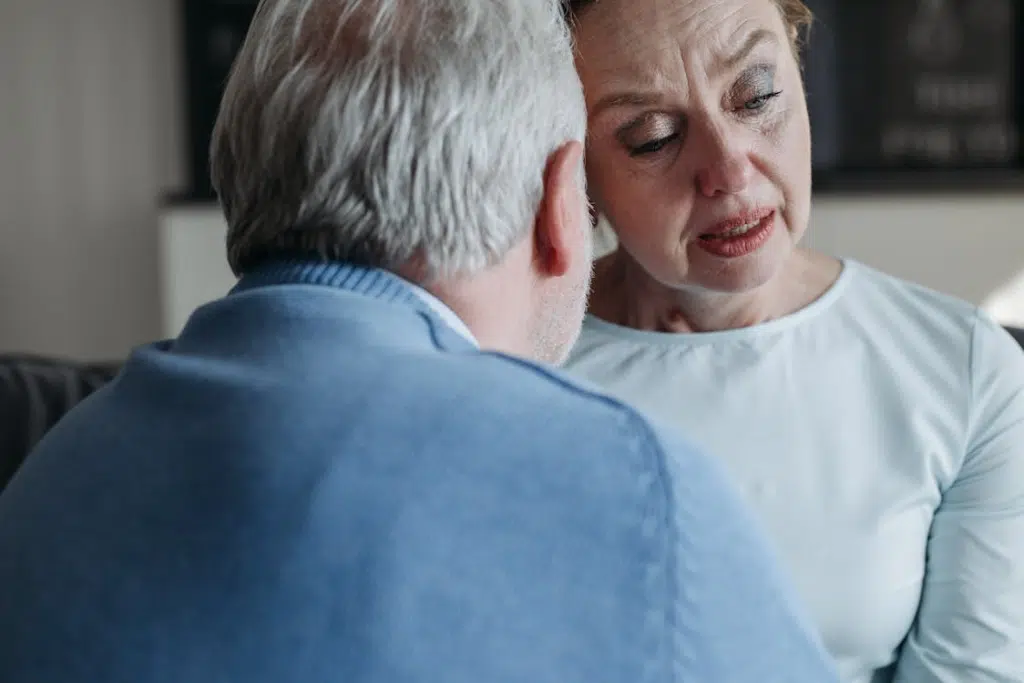
He wants to say something but fears it will backfire or spark an argument. He battles with silence because every word feels loaded. Most men fear saying the wrong thing more than saying nothing at all. He’d rather hold back than make her feel worse. He’s desperate to help, but every step feels like walking on a tightrope.
“I Miss How We Used to Be”

He remembers the easy hugs, the spontaneous kisses, the way laughter used to fill the room. Now, he senses the space creeping in. Less touch, fewer late-night talks, and slower closeness. He feels nostalgic, longing for the rhythm they once had. He wonders whether menopause tipped the balance or just exposed cracks. He misses feeling like theirs was a love in full swing.
“Is She Still Attracted to Me?”
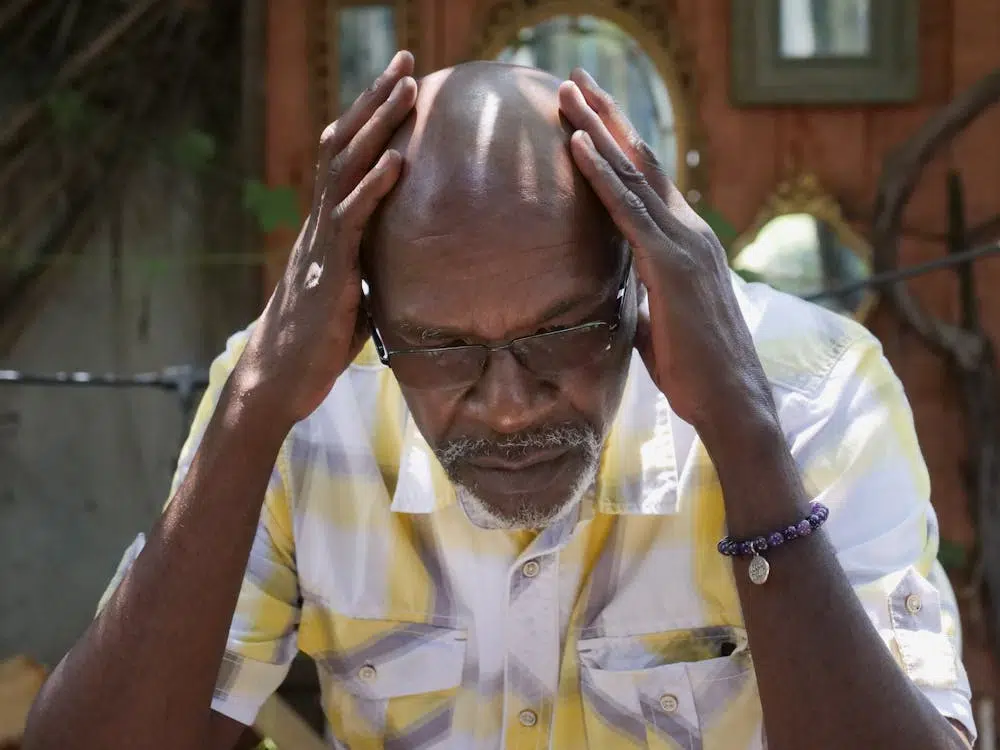
He sees her pulling away sometimes and worries. Hormonal shifts make energy, mood, and libido volatile, and he reads every quiet moment as rejection. He forgets that menopause hits her harder than him, so the distance isn’t always personal. He fears that attraction faded when things changed. He wonders whether he still turns her on, or if she’s just distracted by her body’s rebellion.
“Am I Doing Enough?”
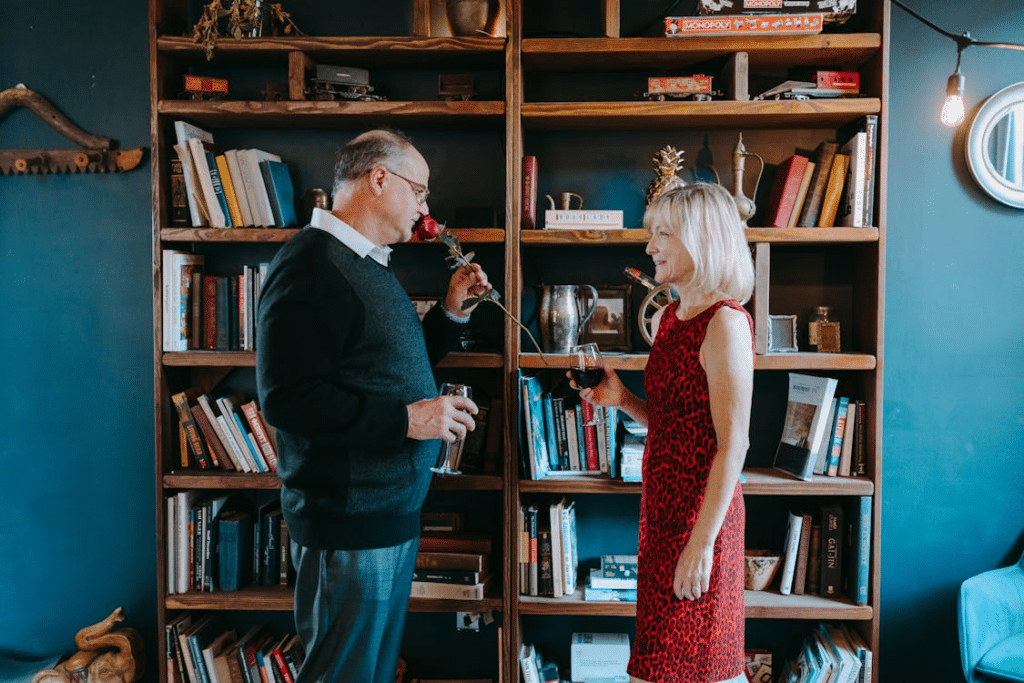
He forces himself to be extra patient, calm, kind, and present even when his own frustrations bubble. He carries guilt when he fails his ideal of “supportive man.” The pressure to be understanding 24/7 sometimes becomes a pressure cooker. He holds in his own stress, so he doesn’t add to hers.
“I’m Scared She’s Changing and I Can’t Keep Up”
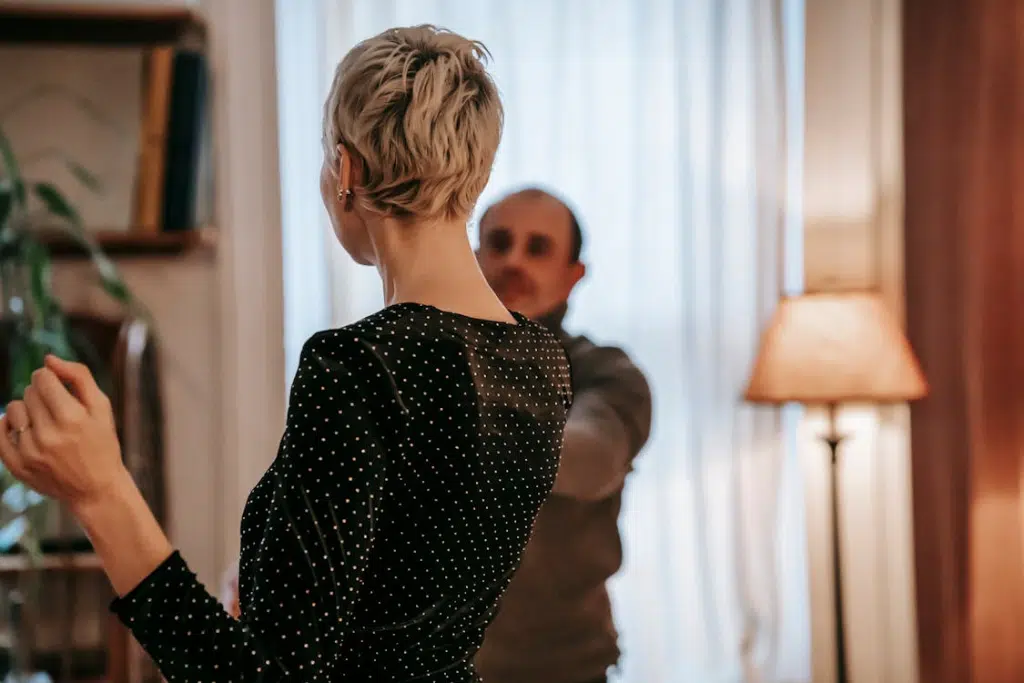
He watches her navigate mood swings, shifting identity, new insecurities. And he worries: is she becoming someone he doesn’t recognize? He fears menopause will permanently change her, and the relationship they built. He’s afraid the woman he loved with fierce edges might soften or harden in ways he can’t understand. He recoils at the idea that he might not be enough in this next chapter.
“I Feel Left Out of Something I Don’t Understand”

He doesn’t know what hot flashes feel like, or the hormonal hangovers, so he often feels excluded. He’s a spectator, watching changes he can’t experience firsthand. Sometimes she doesn’t explain, either because she’s embarrassed or she doesn’t want to burden him. So he sits back, sensing he should ask, but not wanting to pry.
“Our Bedroom Feels Different”

He senses the shift: less eagerness, more hesitation, awkwardness in moments that used to feel natural. He wonders whether it’s pain, fatigue, low libido, or something deeper. He fears misreading cues: push when he shouldn’t, pull when she wants him close. He misses the old rhythm. Sex is trying to speak a new language. He waits for a signal she’s ready to explore that language again.
“I Don’t Want to Sound Selfish, But I Miss the Intimacy”

Part of him wants closenessbut another part shushes him, accusing him of being selfish. He wrestles with guilt: “Am I selfish for wanting her touch?” He knows she’s dealing with more than he can imagine. Yet he still craves what they once had. He tiptoes around the topic, trying not to paint himself as needy. If he brings it up too bluntly, he worries he’ll make her feel worse.
“She Thinks I Don’t Notice, But I Do”

He notices the shorter tempers, tired eyes, low energy, shifts in mood. Even if she believes she’s hiding it, he sees the nights she tosses and turns, senses when she withdraws. He tracks her silence, the heavier sighs, the distant gaze. He’s cataloging every shift, trying to figure out whether to push, to comfort, or to wait.
“I’m Walking on Eggs Because I Care”
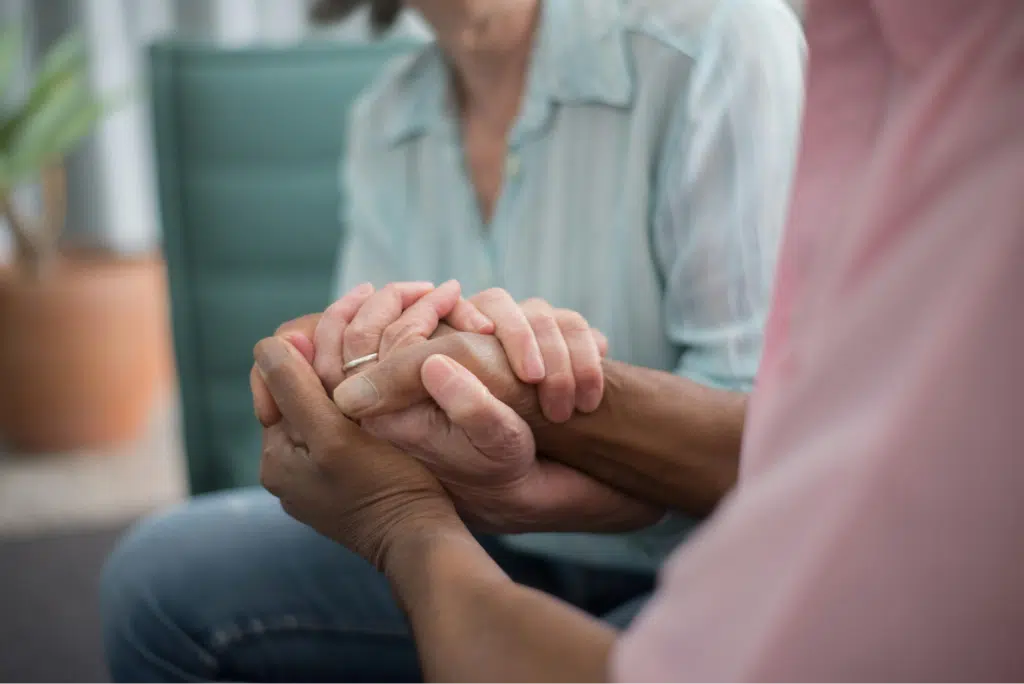
He treads lightly in conversations, scrubbing his words before they cross his lips. He fears triggering tears, rage, or withdrawal because he values her comfort. So he filters out half the things he wants to say. Sometimes he feels like a bomb defuser. Always cautious. He’d rather understep than misstep, because love is in the pauses as much as in the moves.
“I Feel Rejected, Even When I Know It’s Not Personal”

He intellectually understands menopause can dull connection, but emotionally, rejection stings. When she’s distant or tired, he still feels unheard. He battles that tension: the mind says “it’s not you,” but his heart pulses that it is. He resents the blank space between them, even though he knows her body is fighting its own battle. He wants reassurance more than he admits.
“I Worry About Our Future Intimacy”

He fears that the spark might fade, that closeness in their later years may turn into polite companionship. He wonders: Will they ever feel hot for each other again? Will menopause leave their romantic life in limbo? He imagines years of quiet bedsheets and whispered “good nights” instead of warm embraces. He prays the relationship adapts. He holds on to hope even as the unknown looms.
“I Wish She’d Let Me In Instead of Pushing Me Away”
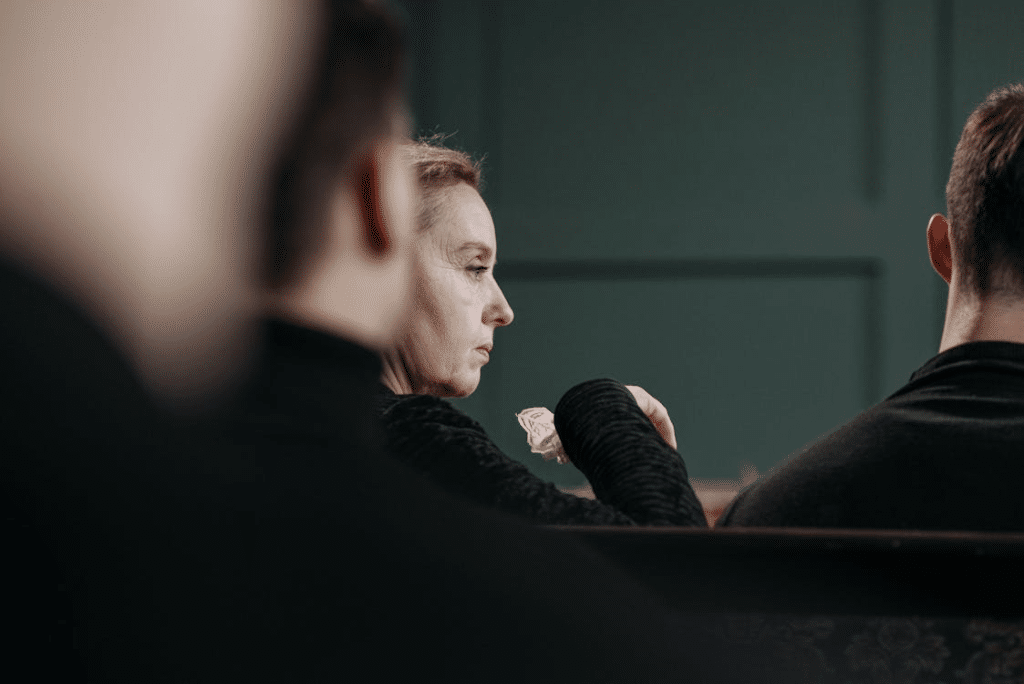
He reaches out, asks questions, drops hints, but sometimes she recoils. He longs for open doors, emotional invites, whispered confessions. He wants her to say when she’s struggling, let him carry some of the weight. Too often she withdraws to protect him or herself. He hopes she knows: his intention is love. If she’d let him in, he’d gladly shoulder some of the darkness.
“I’m Learning to Love Her Through a New Lens”

He’s slowly realizing love is patience, presence, and understanding. He starts to value quiet mornings, soft glances, shared laughter, even without fireworks. He sees her strength through the changes and learns to honor her resilience. He shifts from lover to ally, evolving the way he loves her. He’s discovering a deeper intimacy. One that leans on empathy rather than just chemistry.
“I’m Still Here Because I Love Her, Even If I Don’t Always Understand Her”

After all the confusion, after the awkward silences and the longing, he holds firm. He stands beside her because love is a choice. He may fumble, may misstep, may not always grasp what she’s enduring, but his commitment doesn’t waver. He’s investing in their story, not giving up just because change is hard. His presence becomes his promise.








Ask Me Anything