
You can feel it before you can prove it. Something changes in how they look at you, how they talk to you, and how they move around you. The warmth fades, and suddenly, the house feels colder even when nothing’s technically wrong. They still show up, still go through the motions, but something inside them feels far away.
When someone checks out emotionally, they don’t always say it. They leave breadcrumbs instead, small signs that tell you their heart is no longer fully invested. Here’s what that looks like when your spouse’s mind and heart have already started to drift.
1. They Stop Reaching Out First

They used to text you during the day for no reason at all. Maybe a funny meme, a quick “miss you,” or some random thought. Now, those messages are gone. You realize you’re the one reaching out first, keeping the conversations alive out of habit.
When someone checks out, communication feels like effort instead of instinct. They’ll still reply to your messages, but the spark’s gone. It’s polite, minimal, and transactional, like they’re responding because they feel they have to, not because they want to.
2. Conversations Feel Surface-Level

You talk, but you don’t really talk. The conversations are about errands, work, or what to have for dinner, never about feelings, dreams, or anything that actually matters. You can feel the emptiness between every word.
Emotional depth takes presence, and when someone’s emotionally gone, they avoid it. They steer clear of deeper talks because they don’t want to confront how disconnected they’ve become.
3. They Don’t Argue Anymore

At first, it might seem like progress. Fewer fights, less tension. But what’s really happening is worse. Arguments mean someone still cares enough to fight for something. When that stops, it’s not peace, it’s apathy.
They stop defending themselves, stop trying to explain, stop meeting you in the middle. They’d rather keep quiet than fix anything. That silence isn’t maturity, it’s disinterest.
4. Physical Affection Fades

The hugs get shorter. The kisses are gone.. You start realizing how long it’s been since they touched you for no reason.
Affection connects two people emotionally. When one checks out, their touch feels unnatural. It becomes another reminder that something between you feels off, even when neither of you says it out loud.
5. They Seem Happier Away From You

You see it in their face when they’re around other people, that spark, that ease. But when they come home, it’s like someone turned the dimmer switch down. The laughter that used to fill your home now happens elsewhere.
You start noticing how their mood lifts when you’re not part of the moment. That kind of change doesn’t happen overnight. It’s built from emotional distance that’s been quietly growing for a while.
6. They Stop Sharing Details About Their Day

They used to tell you everything: funny coworkers, small wins, even random thoughts that popped into their heads. Now, you find out things by accident or not at all.
When someone checks out, they stop sharing their inner world. You’re no longer the person they turn to for conversation or comfort. They start living a separate emotional life, one that no longer includes you in the details.
7. You Catch Them Zoning Out During Conversations

You’re talking, but they’re not really there. Their body’s in front of you, but their mind’s somewhere else. They nod, smile at the right times, but their eyes give them away.
When someone emotionally disconnects, they start to tune out of moments that used to matter. Even lighthearted talks start feeling one-sided, like you’re talking to a ghost of the person you used to know.
8. They Don’t Include You In Their Future Plans

You hear little things like “I might take a trip next year” or “I’ve been thinking about moving closer to work.” The part that stings is that you’re not mentioned anywhere in that plan.
When someone starts to mentally exit the marriage, they stop picturing you in their future. They start using “I” instead of “we,” and that’s not an accident. It’s emotional preparation for life apart.
9. They Avoid Eye Contact

It’s subtle but powerful. They used to hold your gaze during conversations, even the uncomfortable ones. Now they look down, look away, or stay glued to their phone. Eye contact exposes emotion, and they’re avoiding that at all costs.
When guilt, indifference, or sadness creeps in, avoiding eye contact becomes a shield. It’s their way of keeping distance while pretending nothing’s wrong.
10. Everything Feels Like An Obligation

Dinner together, watching a movie, or even going out, it all feels like something to cross off the list instead of something to look forward to. They show up physically but not emotionally.
When the excitement’s gone, effort turns into maintenance. You stop doing things together because you want to and start doing them because you’re supposed to. That’s when the relationship starts to feel like a job no one applied for.
11. They Get Defensive Over Simple Questions

You ask where they’ve been or if everything’s okay, and suddenly, it’s a full-blown argument. They take innocent questions as attacks, twisting your concern into accusation.
That kind of defensiveness usually hides discomfort. They’re protecting a truth they don’t want to face, that their heart’s not fully in it anymore. It’s easier to get angry than to admit they’ve emotionally checked out.
12. They Stop Saying “I Love You” First

The words are still there, but only after you say them. What used to feel natural now feels forced. Love takes emotional energy, and when that fades, saying “I love you” becomes something they do out of obligation.
It’s not that they stopped loving you entirely. They’ve just stopped feeling connected enough to express it freely.
13. They Avoid Being Alone With You

They fill their schedule with anything to avoid alone time, errands, friends, their phone, and even mindless scrolling. Being alone with you means facing the truth of what’s changed, and that’s uncomfortable.
When someone emotionally disconnects, they avoid stillness. Stillness forces reflection, and reflection makes the distance impossible to ignore. Keeping busy is easier than admitting what’s really going on.
14. They Don’t Seem Curious About You Anymore

They used to ask about your day, your thoughts, your dreams. Now, they nod through your stories like they’re waiting for them to end. The curiosity that once made you feel seen is gone.
When someone emotionally detaches, they stop investing in who you are. They no longer see you as a partner to learn from but as someone who’s simply there. That loss of interest hurts more than any argument.
15. You Feel Like You’re Talking To A Wall
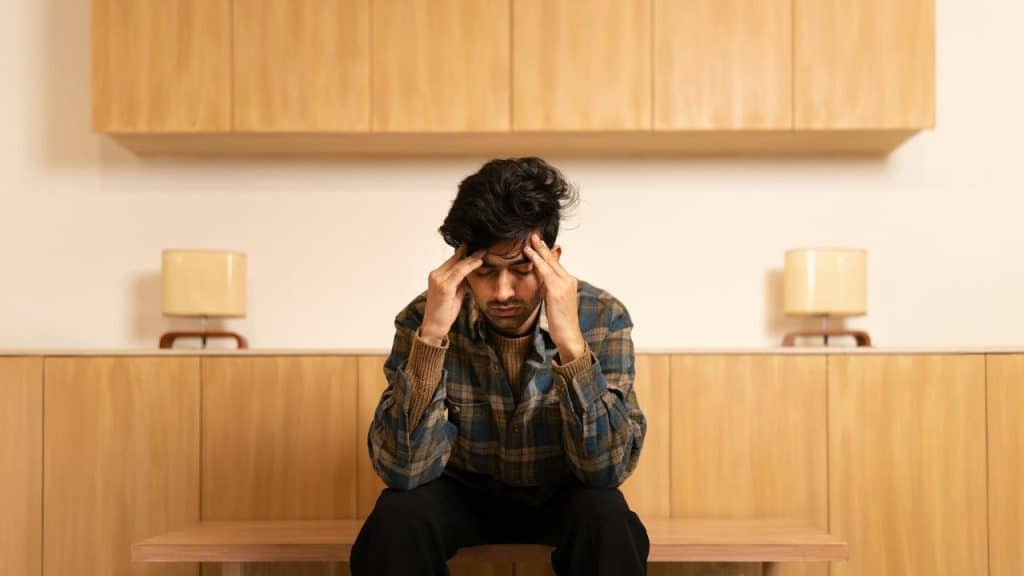
You try to express your feelings, but it’s like throwing words into a void. They listen, maybe nod, but there’s no reaction, no empathy, no effort to understand. It’s one of the most painful realizations in a marriage when you’re no longer being heard.
When someone checks out emotionally, they stop engaging. They stop trying to fix, connect, or reassure. You’re left talking to someone who’s already decided they’re done trying, even if they haven’t said it out loud.
16. They Seem Peaceful When You Pull Away

You decide to match their distance, to see what happens if you stop reaching out. Instead of noticing or panicking, they seem relieved. It’s like your absence gives them permission to breathe again.
That’s one of the clearest signs someone’s already left emotionally. They’re not angry, not hurt, not even conflicted. They’re calm because they’ve already made peace with letting go. When distance brings them comfort instead of concern, that’s when you know they’ve checked out for good.








Ask Me Anything