
Relationships don’t thrive on grand gestures alone–they’re built on the small, steady deposits of emotional effort you make every day. Couples who go the distance understand that love isn’t just a feeling; it’s a series of ongoing investments in trust, empathy, communication, and care. These aren’t things that happen naturally–they’re nurtured intentionally. The more you invest in your emotional bond, the stronger your relationship becomes, especially when life gets tough.
Here are 17 emotional investments that keep couples connected for a lifetime.
1. Consistent Communication

Good communication isn’t just about talking–it’s about being understood. Couples who last don’t just share logistics about bills or dinner plans; they stay curious about each other’s inner worlds. They ask questions, listen without interrupting, and check in emotionally, not just practically. When something feels off, they talk about it early instead of letting resentment grow. The key is to communicate with honesty and kindness, even when it’s uncomfortable.
2. Emotional Safety

Emotional safety means you can be your unfiltered self–flaws, fears, and all–without worrying about being judged or dismissed. It’s created over time through consistent compassion and understanding. Partners who feel safe with each other can express anger, sadness, or insecurity without fear of emotional punishment. Make it a habit to respond with empathy, not defensiveness, when your partner opens up. That’s how trust deepens.
3. Shared Vulnerability

Vulnerability is the bridge that connects two hearts. Couples who open up about their worries, dreams, and failures build intimacy that surface-level affection can’t match. It’s about showing what’s real–not just what’s presentable. Being vulnerable isn’t weakness; it’s courage that invites closeness. Start by sharing something personal each week that reveals more of who you truly are inside.
4. Emotional Availability

Being emotionally available means showing up fully, not just physically. It’s about being present, attentive, and responsive when your partner needs comfort or reassurance. Too often, couples drift apart because one–or both–checks out emotionally even while staying together. Make an intentional effort to be attuned: put down your phone, look them in the eye, and actually listen. Emotional presence is one of the greatest forms of love.
5. Shared Growth

Healthy couples grow both individually and together. They encourage each other’s goals, celebrate small wins, and support each other through setbacks. Instead of fearing change, they adapt to it together. When one partner evolves–professionally, physically, emotionally, or spiritually–the other leans in instead of pulling away. Make your relationship a space where growth isn’t just allowed–it’s celebrated.
6. Emotional Responsiveness

Every time your partner reaches out–through a look, a sigh, or a complaint–they’re asking, “Do I matter to you?” Responding with care, instead of ignoring or minimizing, builds emotional security. You don’t always need to fix the problem; often, being there is enough. Emotional responsiveness means saying, “I hear you,” not “You’re overreacting.” Over time, those small moments of tuning in form an unbreakable bond.
7. Acts of Appreciation

Gratitude is emotional glue. Couples who last a lifetime never stop appreciating each other, even for the mundane things. Saying “thank you” for small acts–like making coffee or handling errands–keeps affection alive. When people feel seen and valued, they invest back into the relationship. Make appreciation a daily ritual; it’s one of the easiest ways to keep emotional warmth alive.
8. Emotional Curiosity

After years together, many couples assume they already know everything about each other. But people evolve, and curiosity keeps love fresh. Ask your partner new questions–about their fears, opinions, or what inspires them now. Listen like you’re meeting them for the first time. Emotional curiosity prevents relationships from going stale and reminds your partner that they’re worth discovering again and again.
9. Forgiveness

Forgiveness doesn’t mean forgetting–it means choosing peace over resentment. Couples who can repair after conflict build emotional endurance. Instead of keeping score, they focus on learning from the moment and moving forward. When forgiveness is mutual, love becomes more mature and grounded. Practice it not as a one-time act, but as an ongoing habit that protects your relationship from bitterness.
10. Shared Humor

Laughter is emotional medicine. Couples who laugh together can weather even the hardest days. Shared humor lightens tension and reminds both partners not to take everything too seriously. It’s not just about cracking jokes–it’s about finding moments of playfulness and shared joy in the ordinary. A sense of humor keeps love buoyant and prevents emotional heaviness from taking over.
11. Emotional Accountability

Strong couples take ownership of their actions and emotions. They don’t blame their partner for every argument or mistake; they reflect, apologize, and try to do better. Emotional accountability turns conflict into connection because it shows maturity and respect. The next time things go wrong, focus less on being “right” and more on being responsible. Growth begins there.
12. Respect for Boundaries

Boundaries protect love from burnout. Couples who honor each other’s need for space, privacy, or alone time actually build stronger emotional connections. Respecting limits doesn’t distance you–it prevents resentment from growing. Discuss what each of you needs to recharge, and honor those boundaries without guilt. Love isn’t about constant closeness; it’s about balanced connection.
13. Shared Purpose

Couples who stay together often have a sense of “us”–a shared mission or vision beyond themselves. It might be raising a family, building something meaningful, or simply living with shared values. This purpose gives love direction, especially in hard seasons. Without it, relationships can drift. Revisit your shared goals regularly and make sure you’re still walking in the same direction.
14. Emotional Intimacy Over Time
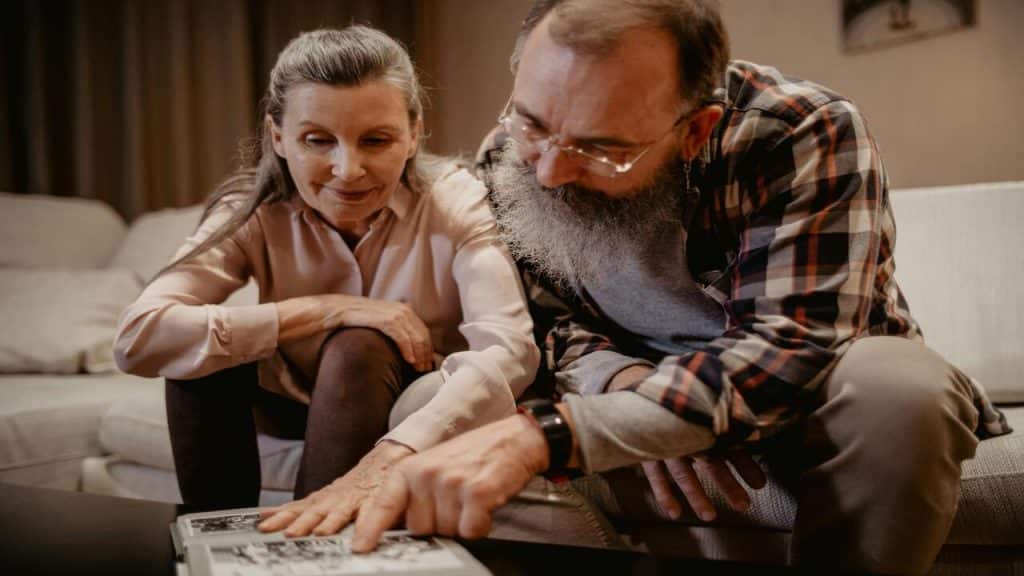
Emotional intimacy deepens when both partners keep showing up through the years. It’s not built in one romantic season–it’s accumulated through countless small moments of trust and care. Couples who maintain it know that intimacy is a daily choice, not a given. Keep asking, sharing, comforting, and showing affection. Long-term emotional connection thrives on everyday effort.
15. Mutual Empathy

Empathy is the heartbeat of emotional connection. It’s the ability to step into your partner’s world and see things through their eyes, even when you disagree. When both people practice empathy, conflicts soften and understanding grows. Make empathy an active habit–pause before reacting and ask, “What might they be feeling right now?” That small shift changes everything.
16. Patience Through Change

Every relationship will face seasons of imbalance–career shifts, health issues, family pressures. Couples who last learn to be patient with each other’s growth and struggles. They don’t expect perfection; they offer grace. Patience allows love to mature instead of fracture when life gets complicated. It’s what turns temporary storms into long-term strength.
17. Daily Emotional Connection

The most powerful emotional investment is simply staying connected day to day. Whether through a hug, a check-in text, or five minutes of quiet conversation, those small gestures maintain intimacy. Love fades not from a lack of passion but from emotional neglect. Make it your mission to reconnect, however briefly, every single day. That’s what lifelong love is built on.








Ask Me Anything