
Love has never been easier to express, or harder to sustain. Technology has blurred the lines between closeness and convenience, giving us constant contact but less real connection. Couples text, share memes, and tag each other online, yet still feel emotionally miles apart. The digital age promises intimacy at the tap of a screen, but it also replaces patience with instant gratification. We’ve made love more accessible than ever, but in doing so, we may have made it harder to feel deeply.
Texting Feels Intimate, Until It Doesn’t
Text messages make it easy to express affection in short bursts, a quick “I miss you” or a heart emoji between meetings. It feels like a connection, but over time, it becomes a substitute for real conversation. Tone gets lost, misunderstandings grow, and deeper feelings rarely fit into a text bubble. What once felt intimate can slowly become mechanical. True emotional closeness still depends on hearing a voice, not just seeing a notification.
The “Typing…” Bubble Creates Emotional Anticipation

That blinking “typing…” bubble has become one of modern love’s strangest triggers. It can make hearts race with excitement or fill them with anxiety. It reminds us how emotionally tethered we’ve become to digital responses. When love depends on a screen’s feedback, even silence feels loud. The irony is that we wait for words more than we listen to meaning, love now lives in suspense between messages.
Instant Access Redefines Patience in Love

In a world where communication is instant, waiting feels unnatural. We expect replies, reassurance, and validation on demand. But relationships still move at a human pace, they need time to breathe, process, and grow. Technology teaches us to rush connection, not nurture it. Real intimacy can’t compete with the speed of Wi-Fi; it thrives in stillness, not urgency.
We Mistake Online Connection for Emotional Presence

Video calls, voice notes, and constant updates create the illusion of closeness. But being “reachable” isn’t the same as being emotionally present. Couples share space through screens, yet the comfort of physical presence, a hand held, a shared silence, can’t be replicated digitally. Technology bridges distance but not depth. Presence isn’t about being online; it’s about being attuned.
Social Media Turns Affection Into Performance

What used to be private now lives in public timelines. Anniversaries, vacations, and declarations of love are posted for everyone to see. While there’s nothing wrong with sharing joy, it subtly changes intention. Love becomes performative, measured by likes, comments, and perceived perfection. The danger lies in mistaking visibility for validation. Real affection doesn’t need an audience.
The Pressure to Be “Available” All the Time

Technology has erased the boundaries between personal space and communication. “Read receipts” and “last seen” statuses make silence suspicious and solitude seem rude. The expectation to be always available leaves little room for independence. Love turns into constant accessibility rather than intentional connection. In truth, time apart often strengthens what time online can weaken.
Ghosting Becomes Easier Than Honest Communication

Technology has made disappearing effortless. One tap, and a conversation, or relationship, can end without explanation. It’s emotional avoidance disguised as self-protection. Ghosting leaves behind confusion, not closure, teaching people to fear vulnerability rather than confront it. The digital distance makes it easy to leave, but maturity still demands we learn how to stay, or say goodbye with grace.
Algorithms Shape Who We Meet (and How We Feel)
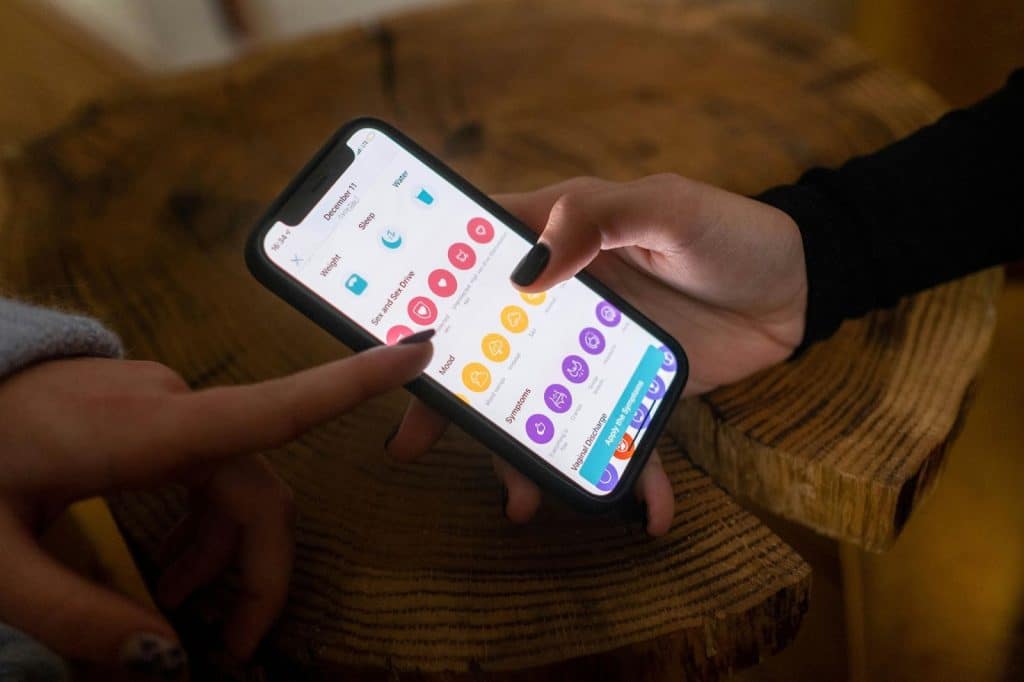
Apps claim to help us find love, but they also shape what we think love should look like. Algorithms reward attraction over compatibility, and swipes reduce complexity to preference. It’s efficient, but it conditions us to value options over connection. Technology hasn’t killed romance, it’s just turned it into a marketplace. Love now competes with the illusion that there’s always someone “better” a scroll away.
Love Languages Are Evolving, Now It’s “Seen,” “Liked,” and “Replied To”

In the digital age, attention has become a form of affection. A double-tap or reply can mean more than a conversation. But when love becomes transactional, built on notifications and replies, it loses depth. People crave acknowledgment more than understanding. True affection, though, still lives in gestures that can’t be quantified by algorithms or timestamps.
Memories Are Stored in Clouds, Not in Stories
Photos, videos, and messages document every stage of a relationship. But in archiving everything, we’ve stopped truly remembering. We scroll through moments instead of reliving them. Digital memory preserves the image but not the feeling. The stories couples once told each other now live as data, searchable but emotionless. Love deserves to be remembered, not just backed up.
Comparison Culture Makes Genuine Love Feel Incomplete

Social media creates unrealistic standards for relationships. Couples compare their private reality to others’ curated highlights, leaving them feeling inadequate. The quiet, ordinary parts of love start to look “less than.” But real relationships aren’t built for display; they’re built for depth. The danger of constant comparison is forgetting that fulfillment doesn’t need to look perfect, it just needs to feel real.
Tech Makes Long-Distance Easier, and Emotional Distance Harder

Video calls and instant messaging have made long-distance love more possible than ever. But constant communication can’t replace physical presence. Seeing a face through a screen helps, but it also amplifies longing. Technology can soften distance, yet it can’t eliminate it. The challenge isn’t staying connected, it’s staying emotionally close while apart.
Privacy Is Replaced by Digital Transparency

Location sharing, shared passwords, and social media tags have blurred boundaries. What once symbolized trust now feels like surveillance. Couples equate openness with access, forgetting that healthy love still needs private space. Technology makes it easier to know everything, but harder to feel secure without proof. Real trust doesn’t come from constant visibility; it comes from peace of mind.
Breakups Follow You Through Notifications
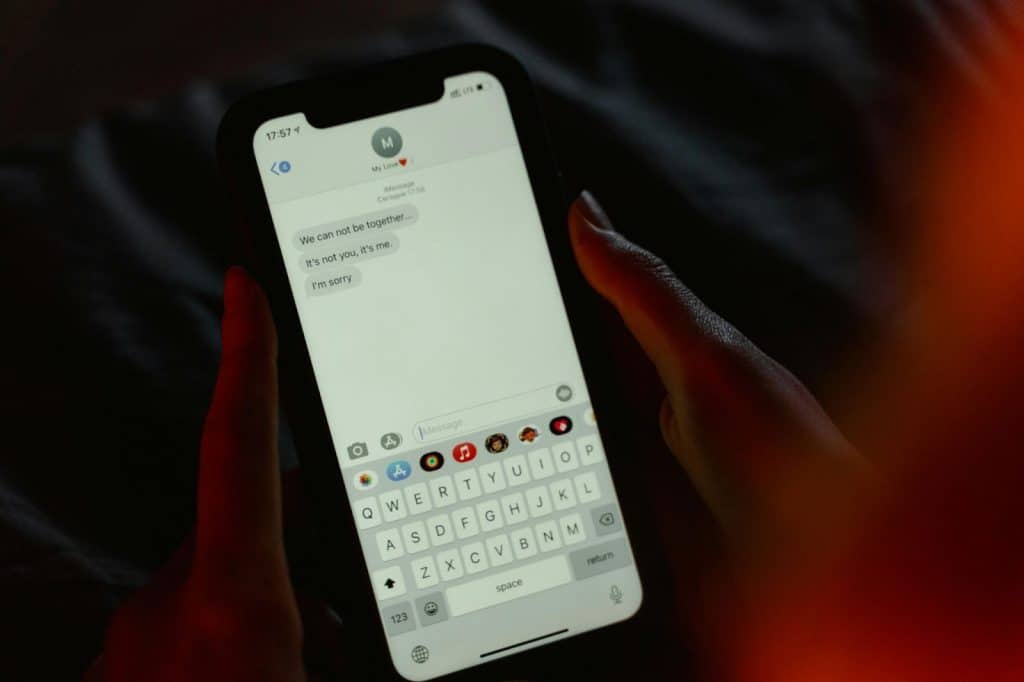
Once, breakups meant distance. Now, reminders of an ex appear through memories, posts, and mutual tags. Technology keeps emotional wounds open longer. The pain of moving on is intensified by digital echoes that never fade. Healing now requires digital discipline, the courage to unfollow, mute, and reclaim emotional space in an online world that never stops showing what used to be.
Even Arguments Happen Through Screens

Disagreements that used to be face-to-face now unfold in messages, where tone gets lost and emotions escalate. Screens create courage without empathy, people say what they’d never say in person. Arguments become longer, colder, and more confusing. Technology makes it easier to communicate but harder to connect. Resolution still needs presence, not pixels.
AI and Apps Are Teaching Us What We Forgot About Connection
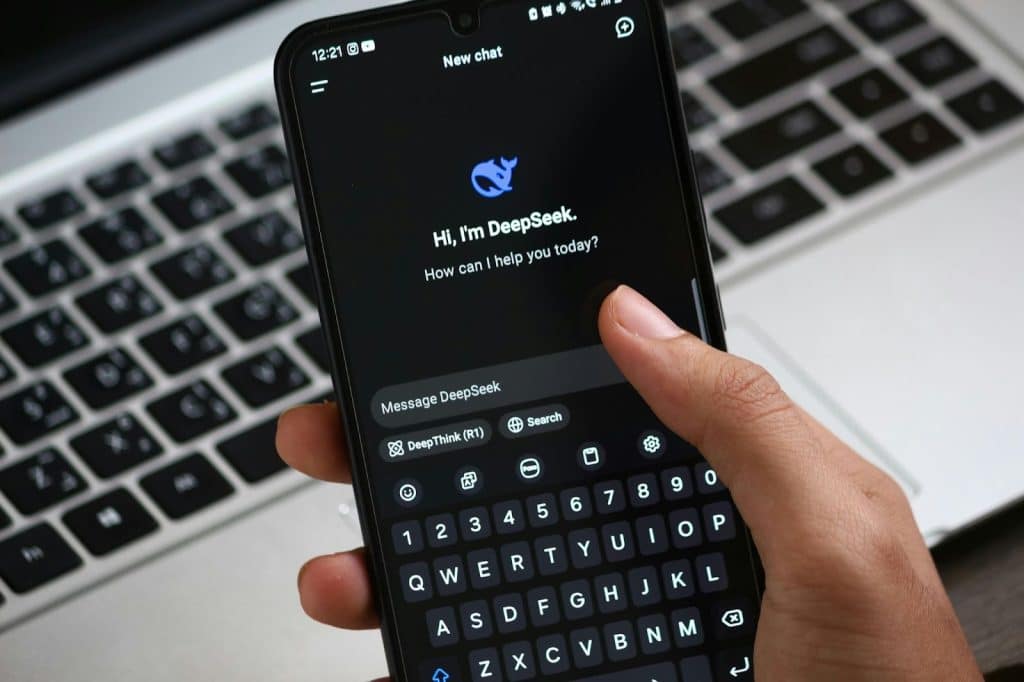
Ironically, as technology evolves to mimic empathy, chatbots that “listen,” AI that remembers preferences, it exposes what humans have neglected. Machines can simulate care but not feel it. The rise of emotional AI reminds us that connection without consciousness is hollow. Love’s strength lies in imperfection, in the pauses, the misunderstandings, the human touch.
Real Intimacy Still Needs What Tech Can’t Simulate

No matter how advanced technology becomes, it can’t replicate warmth, patience, or vulnerability. Screens can deliver attention, but not empathy. Algorithms can predict compatibility, but not chemistry. True intimacy still depends on time, trust, and the courage to be fully present. In the end, love isn’t about how often we connect, it’s about how deeply we do.
Love Is Still Human, Even When It’s Digital

Technology will keep evolving, but love will remain rooted in the same human needs, understanding, effort, and care. The tools may change, but the essence stays. We can swipe, type, and share, but real love still asks for something timeless: presence that can’t be downloaded. The challenge now is simple, to use technology to connect, not to replace connection.







Ask Me Anything