
Boomers built the foundation for much of what we enjoy today. They taught work ethic, loyalty, and grit, but the world doesn’t run on the same rules anymore. Technology, remote work, and changing values have flipped almost everything they once held sacred. What used to be a symbol of success or sophistication now feels out of place in 2025. This isn’t about mocking the past; it’s about recognizing how quickly times change and seeing which of these outdated habits still sneak into your own life.
Cable TV Subscriptions
There was a time when having a full cable package felt like a luxury. Now, paying hundreds each month for channels you never watch just doesn’t make sense. Streaming services let you pick exactly what you want, when you want it, without the clutter or commercials. The power has shifted from the networks to the viewers, and convenience always wins. If you’re still hanging onto a cable box, it might be time to pull the plug—literally.
Landline Phones
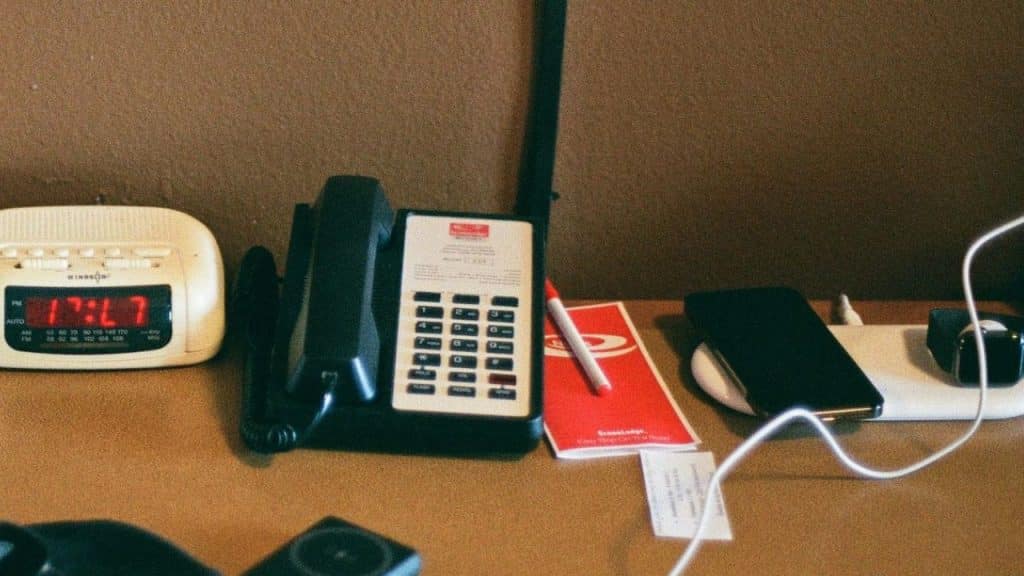
That familiar ring once echoed through every household, but now it’s mostly silence. Landlines served their purpose, but with smartphones doing everything from video calls to payments, they’re just collecting dust. Even businesses have ditched them for internet-based systems that are cheaper and more flexible. The nostalgia is real, but the practicality is long gone.
Business Suits Every Day

For boomers, a suit was the armor of professionalism. But today’s work culture values output over outfits. Tech leaders and remote professionals built careers in T-shirts and
Paper Bills and Checkbooks
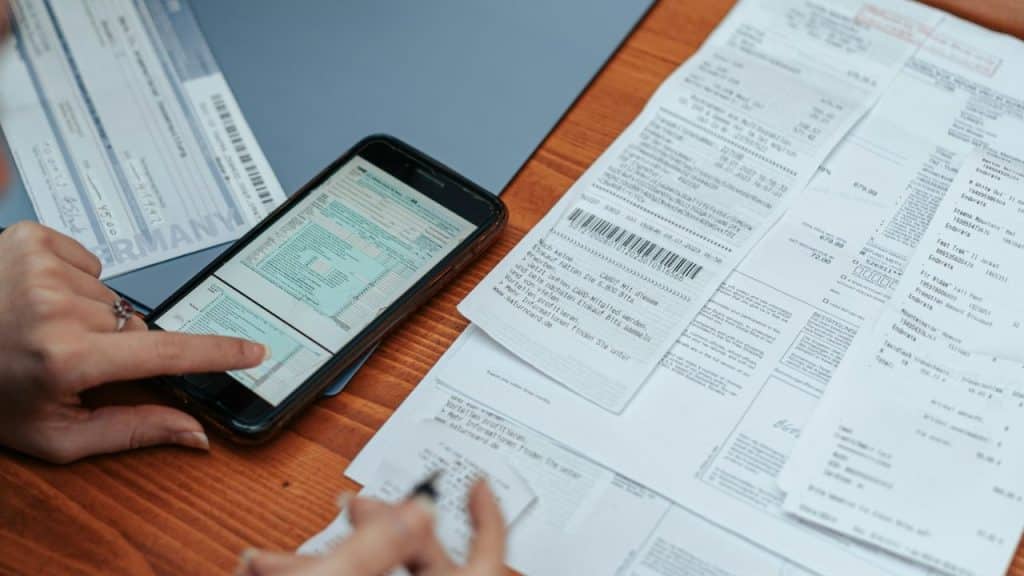
Nothing screams “boomer habit” like balancing a checkbook or mailing payments. Apps and auto-pay features have replaced the old monthly ritual of writing checks at the kitchen table. Everything from rent to subscriptions can be paid instantly, and records are stored digitally for easy tracking. Keeping it old-school just slows you down.
Owning a Ton of “Stuff”
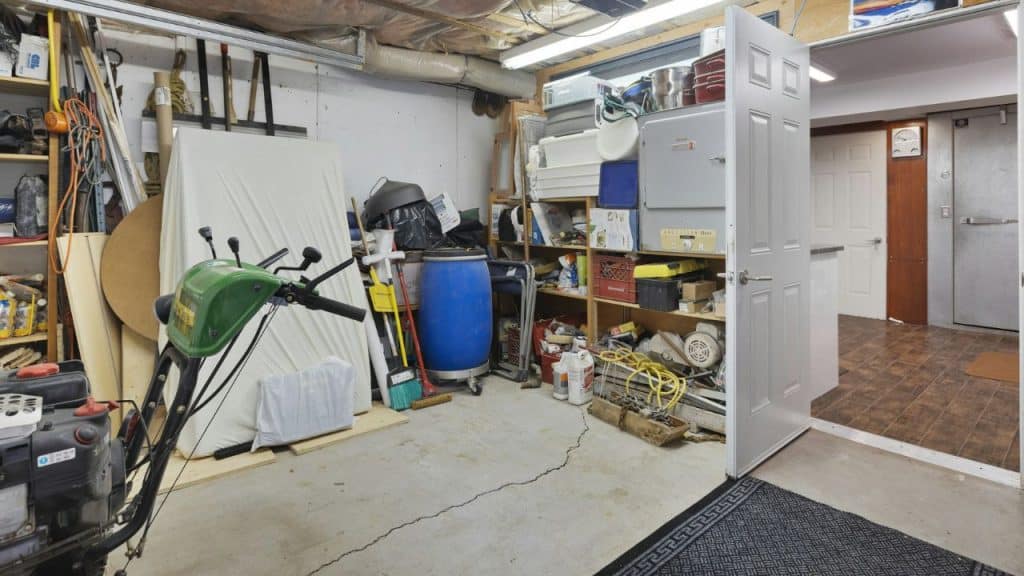
For boomers, owning more meant doing well. But today’s mindset values space, simplicity, and experiences over clutter. Younger generations rent, recycle, and travel light—finding pride in what they can let go of, not accumulate. A full garage is no longer a sign of success; it’s a reminder to declutter.
Formal Dining Rooms
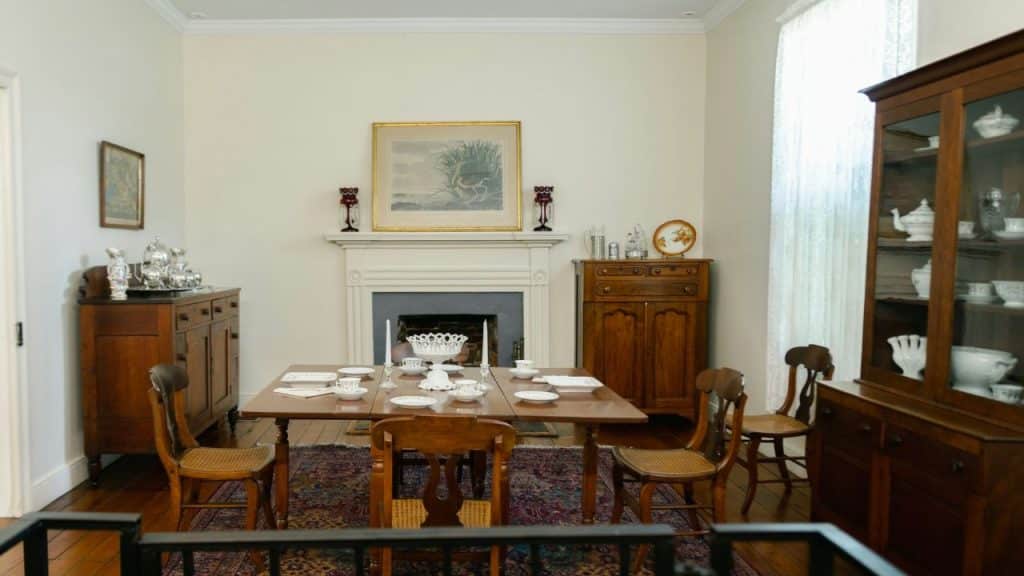
Remember when families saved a whole room for fancy dinners that happened twice a year? Those spaces now gather dust or get converted into home offices. Modern homes embrace open layouts that bring cooking, eating, and living together. The idea of a “special occasion” table has been replaced by a connection happening anywhere, anytime.
Newspaper Classifieds and Job Ads
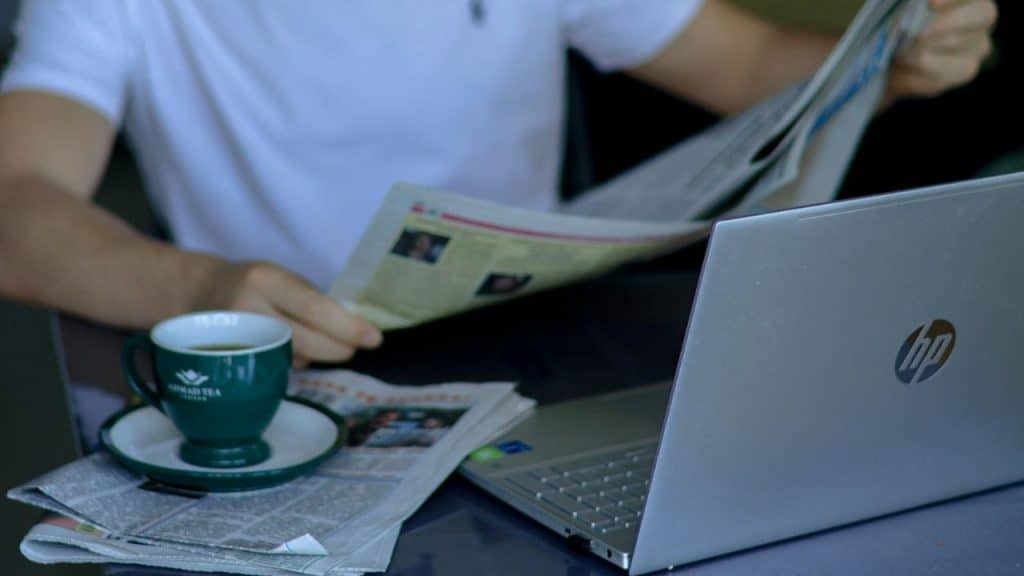
The Sunday paper job hunt is history. LinkedIn, Glassdoor, and networking apps now dominate the search. Employers expect online portfolios and quick communication, not stapled resumes. If you’re still flipping through newsprint for opportunities, you’re probably missing hundreds of them scrolling past your phone screen.
Plastic Loyalty Cards
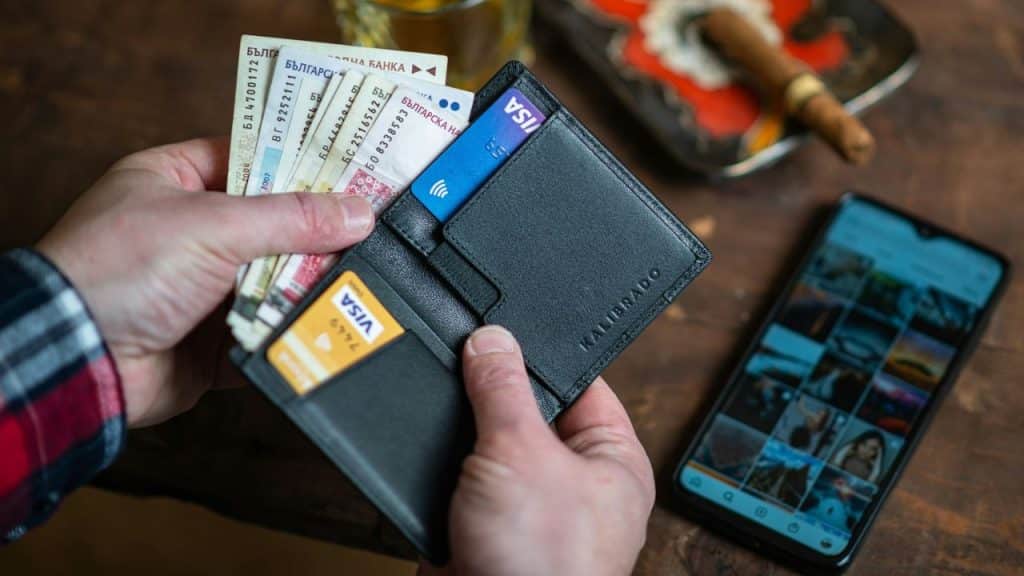
Carrying around a wallet stuffed with store cards feels ancient. Every major retailer now tracks your points and rewards digitally. One app can hold a dozen memberships without bulging your pocket. It’s faster, cleaner, and nearly impossible to forget—unlike that card you lost at the gas station.
CDs, DVDs, and Physical Media Collections
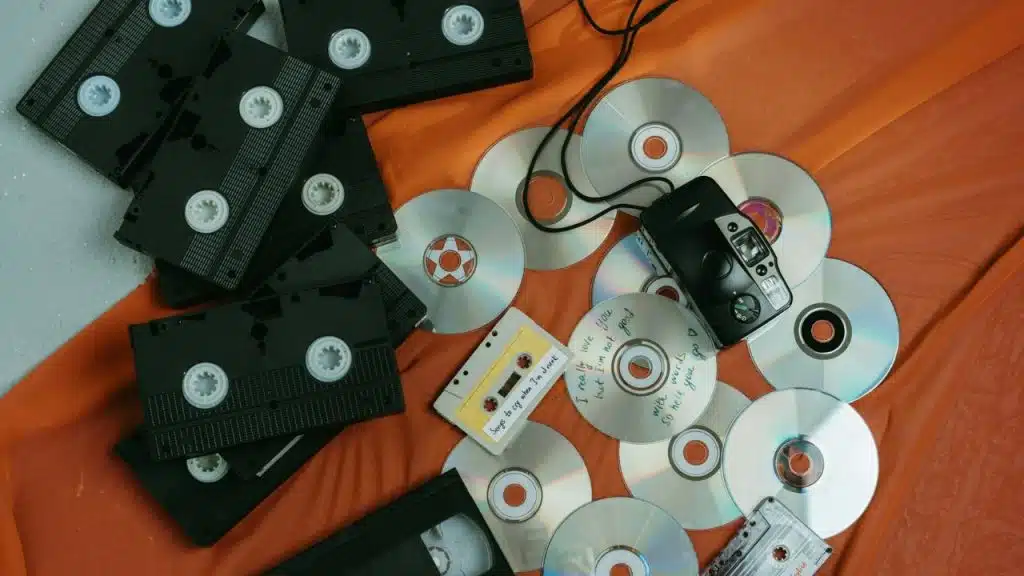
Lining up CDs on a shelf once showed pride in your collection. Now, entire libraries fit in your pocket through cloud storage and streaming. The sound might be the same, but the convenience is unmatched. Nostalgia aside, few people miss scratching a disc or replacing a lost case.
Owning a Map or Atlas

The glove box map was once essential for road trips. Now, GPS and real-time navigation apps make them pointless. Boomers mastered the art of refolding a map—something younger generations will never need to learn. Directions now update themselves before you even miss a turn.
Rolodexes and Physical Address Books
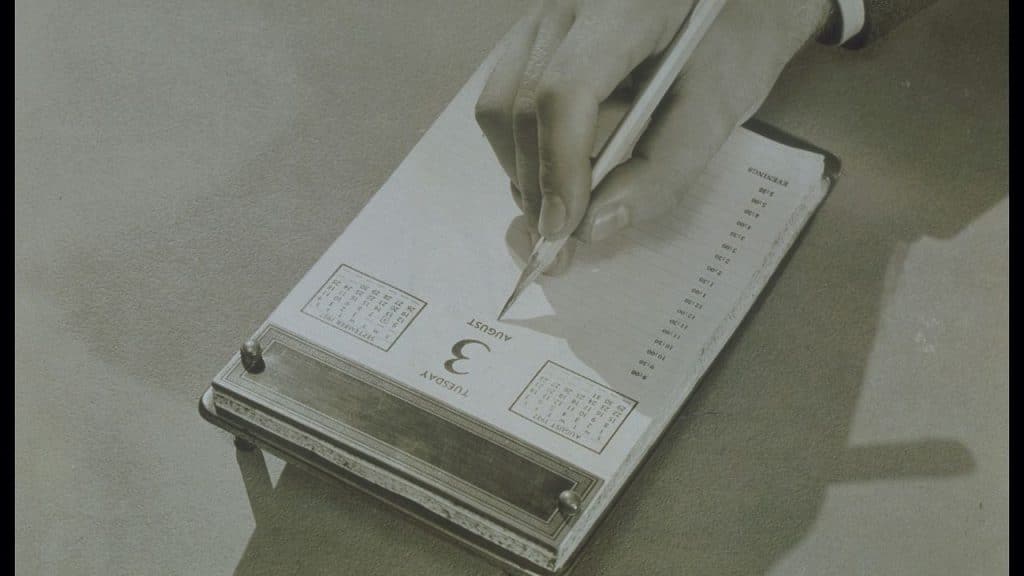
A tidy Rolodex once meant you had your life together. Today, contacts live in your phone, synced across every device, instantly searchable, and backed up. No more flipping through worn pages or crossing out numbers. The modern contact list fits neatly in your pocket—and never forgets an update.
Encyclopedias and Reference Books
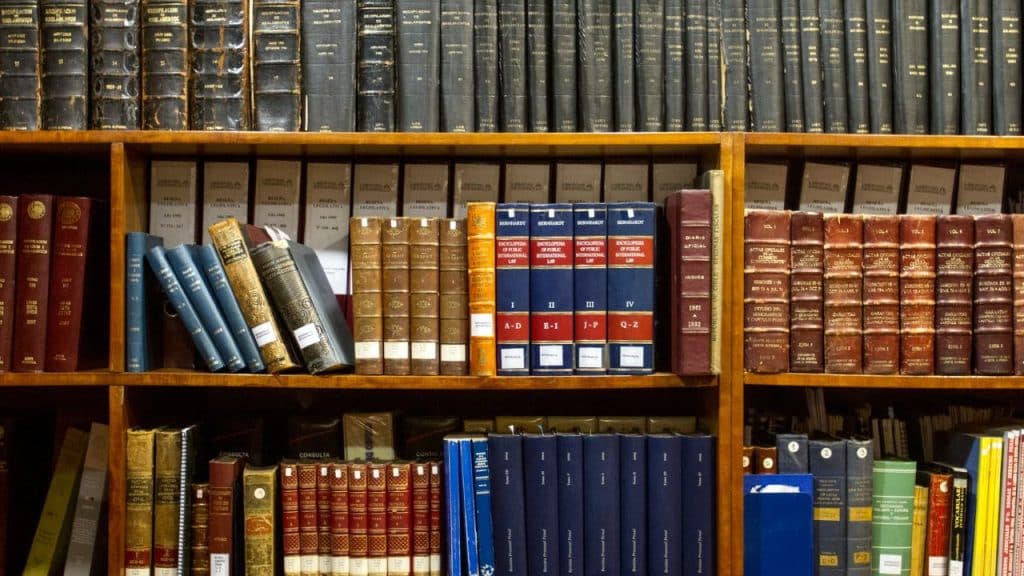
Before Google, these heavy volumes were every home’s pride and joy. But now, even school kids fact-check in seconds with a smartphone. Encyclopedias once made you feel educated and prepared, but they’ve turned into dusty décor. The world updates too fast for printed knowledge to keep up.
Photo Albums and Film Cameras

Developing film was once a special family ritual. Now, thousands of photos live safely in your phone or cloud storage. No one worries about forgetting film rolls at the pharmacy anymore. The memories stay the same, but the storage got a major upgrade.
Collecting Fine China and Silverware Sets
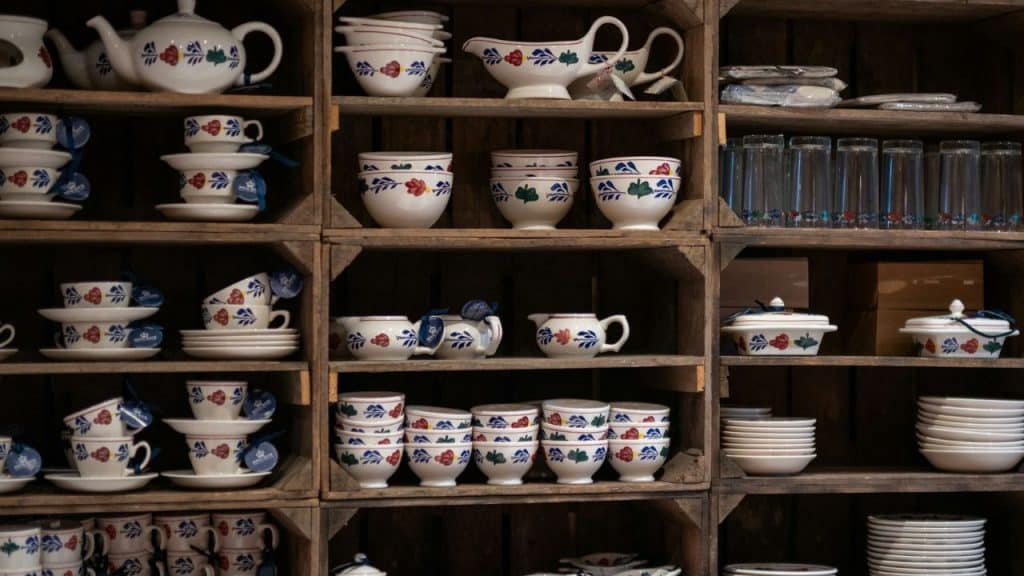
Boomers loved the idea of “saving the good plates” for guests. Today’s homes prefer durable, everyday dishes that can handle the dishwasher. Minimalism replaced tradition, and fewer people see the point in keeping breakable sets they never use. The china cabinet is now a bookshelf.
Phone Books and Yellow Pages
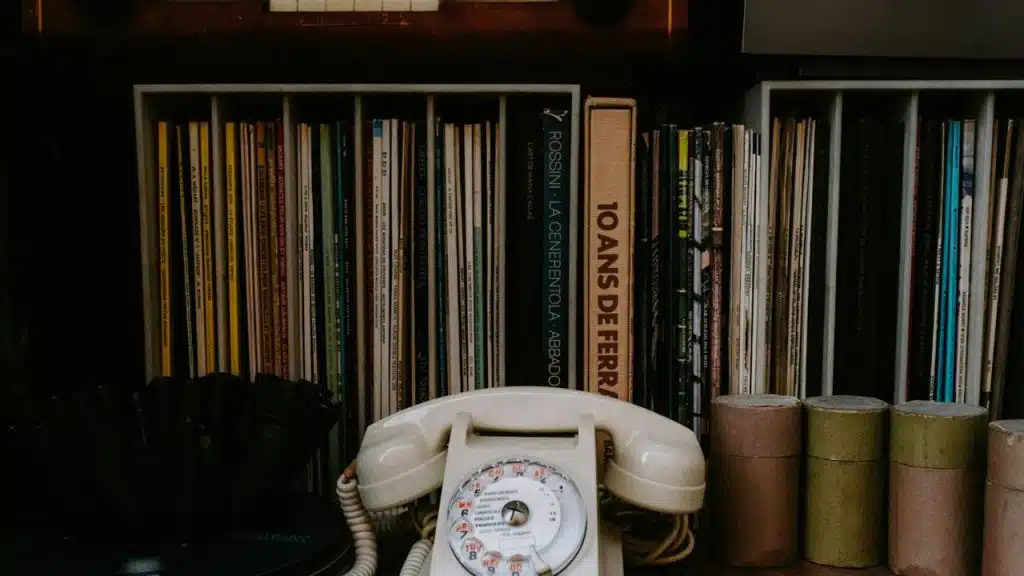
Finding a plumber once meant flipping through thick pages and squinting at tiny ads. Now, search engines, maps, and review sites do it in seconds. Those heavy books that lived under the kitchen phone have officially lost their purpose. The digital world is faster, cleaner, and far easier to navigate.
Cashing Paychecks at the Bank

Friday meant standing in line to deposit or cash a paper check. Now, mobile banking makes payday instant. Direct deposits hit automatically, and checks are snapped, not signed. The idea of “banking hours” doesn’t even make sense anymore.
Photo Slides and Projectors
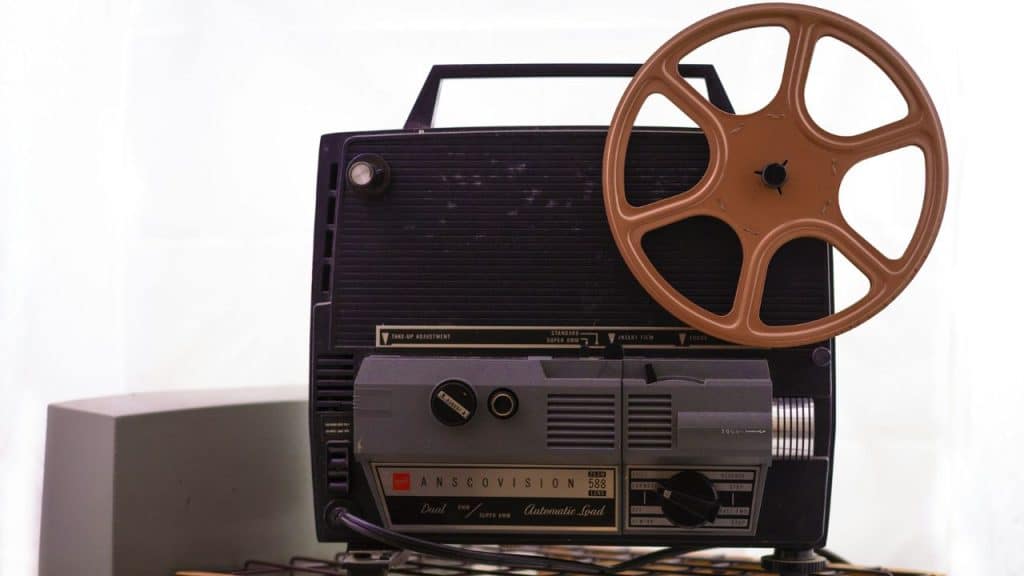
Boomers loved dimming the lights and showing vacation slides to friends. Today, those memories are shared instantly on screens worldwide. The ritual had charm, but modern life runs on speed and reach. Slideshows now live in the cloud, not the living room.








Ask Me Anything