
Modern dads are bombarded with advice from every corner of the internet, all preaching what “good parenting” should look like. Between social media experts, schools, and endless blog posts, it can feel like fatherhood has become a performance instead of a relationship. But any dad who’s been in the trenches knows real parenting doesn’t follow a script. Sometimes, the best lessons for kids come from the moments that don’t look perfect. Here’s a list of parenting rules many dads quietly ignore—and why those choices are often what make their kids stronger, steadier, and ready for the real world.
Letting Kids Struggle a Little
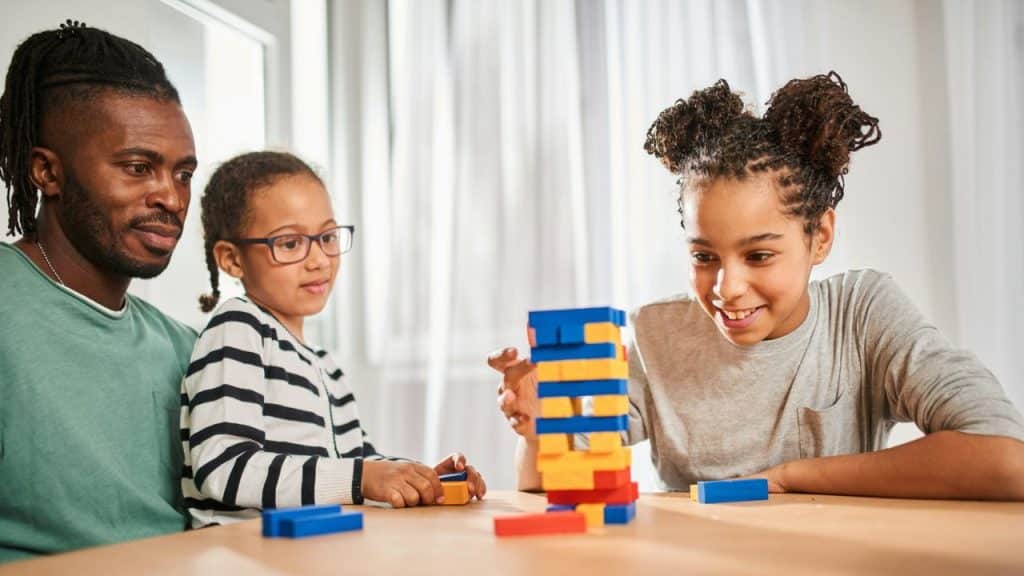
Resilience doesn’t grow in comfort. When dads resist the urge to fix every problem, they give their kids a chance to think for themselves. Struggling through something small—a tricky puzzle, a lost game, or a tough project—teaches grit better than any motivational speech. The key is being nearby, not rescuing them. That space between trying and succeeding is where real confidence starts to form.
Not Praising Every Little Thing
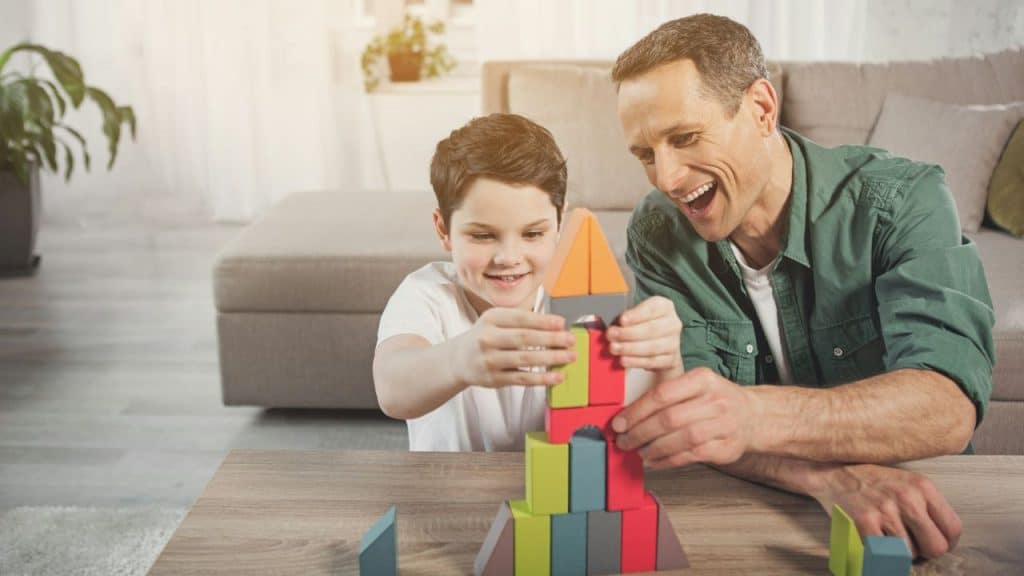
Kids can tell when praise is automatic. When every effort earns applause, they start chasing approval instead of progress. Dads who hold back a bit are not withholding love; they’re teaching value. Real confidence grows when kids learn that recognition comes from doing something well, not just doing something. Earned praise builds a steady kind of pride that lasts longer than a pat on the back.
Roughhousing and Play Fighting
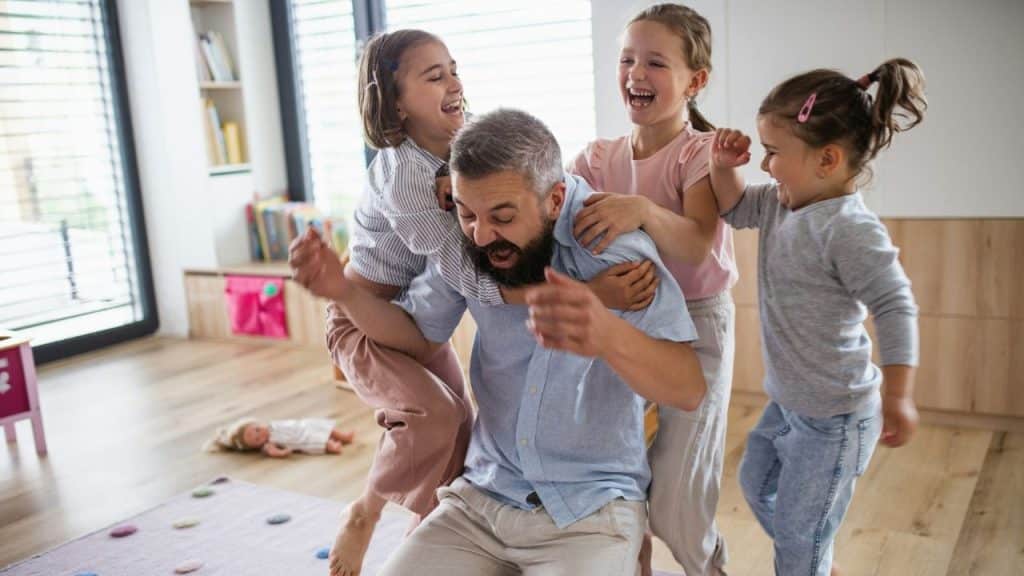
A little rough play isn’t reckless—it’s bonding. When dads wrestle, chase, or play-fight with their kids, they’re teaching limits, control, and respect for others’ boundaries. It’s one of the rare ways boys and girls alike can test their strength safely. Plus, those moments of laughter and chaos turn into trust. Physical play reminds kids that strength and kindness can exist in the same space.
Letting Them Be Bored
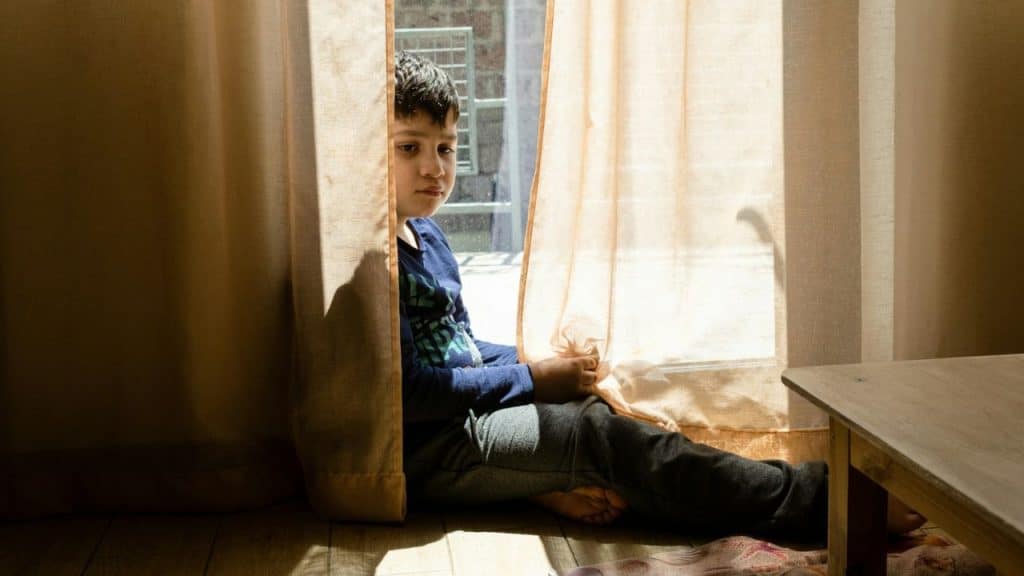
Boredom used to be normal. Now it feels like a problem parents rush to solve with screens or schedules. But dads who let their kids sit in silence are giving them a gift. Boredom sparks imagination. It teaches kids to create their own fun, to think, and to explore their thoughts without distraction. That’s where curiosity—and resilience—take root.
Being Direct Instead of Overly Gentle
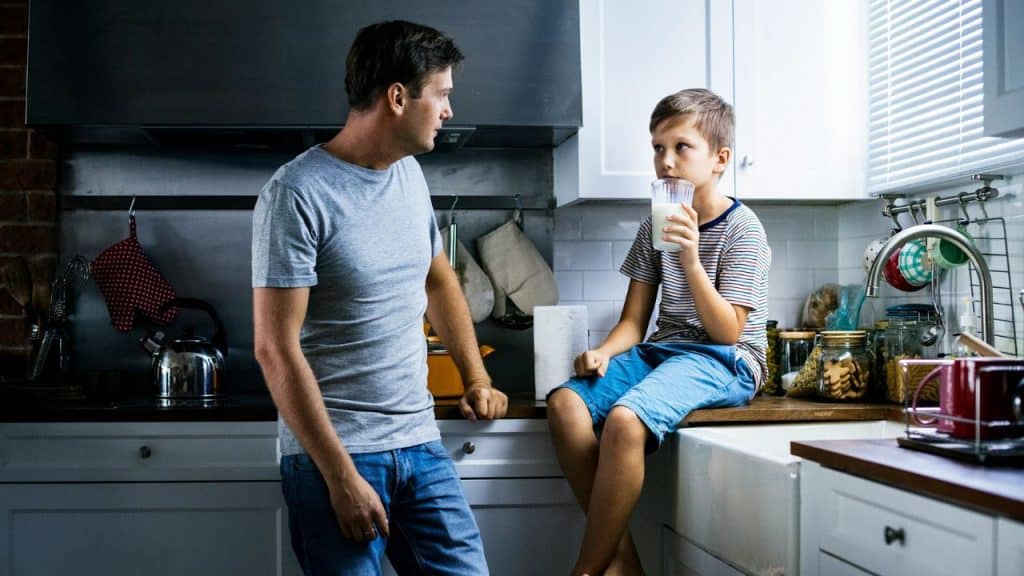
Kids don’t benefit from sugarcoated feedback. When dads are clear and honest, they help their kids learn to accept criticism without breaking down. The world won’t always speak softly, and hearing the truth at home prepares them for that. A straightforward talk about effort, respect, or behavior can go further than ten minutes of gentle circling. Clarity builds character.
Not Solving Every Conflict for Them
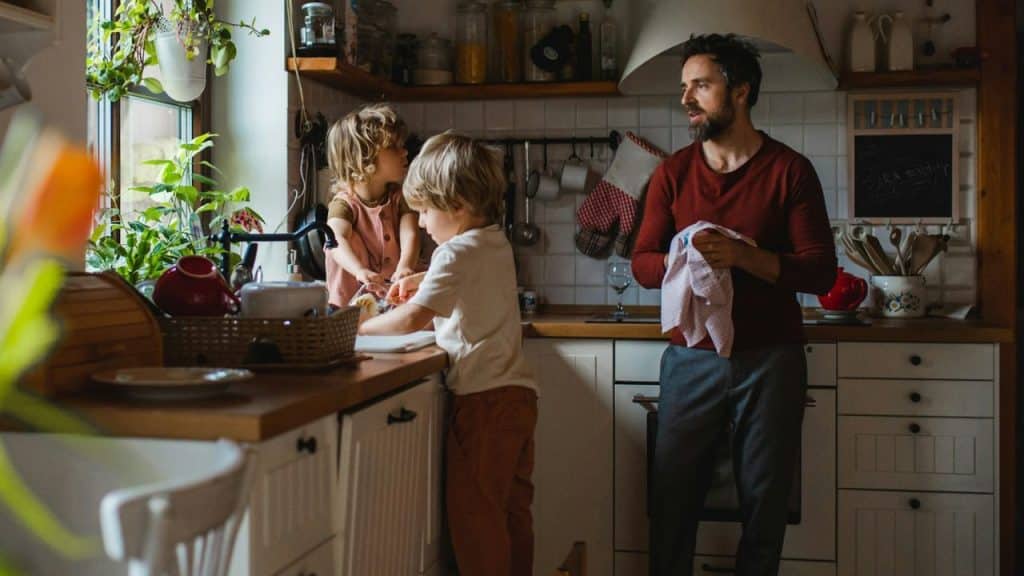
Fighting with friends or siblings is part of growing up. Dads who let their kids work through disagreements teach them something no adult intervention can—how to handle emotions under pressure. Mediation has its place, but learning to apologize, compromise, or stand firm builds maturity. Conflict handled independently becomes a quiet form of strength.
Encouraging Risk in a Safe Way
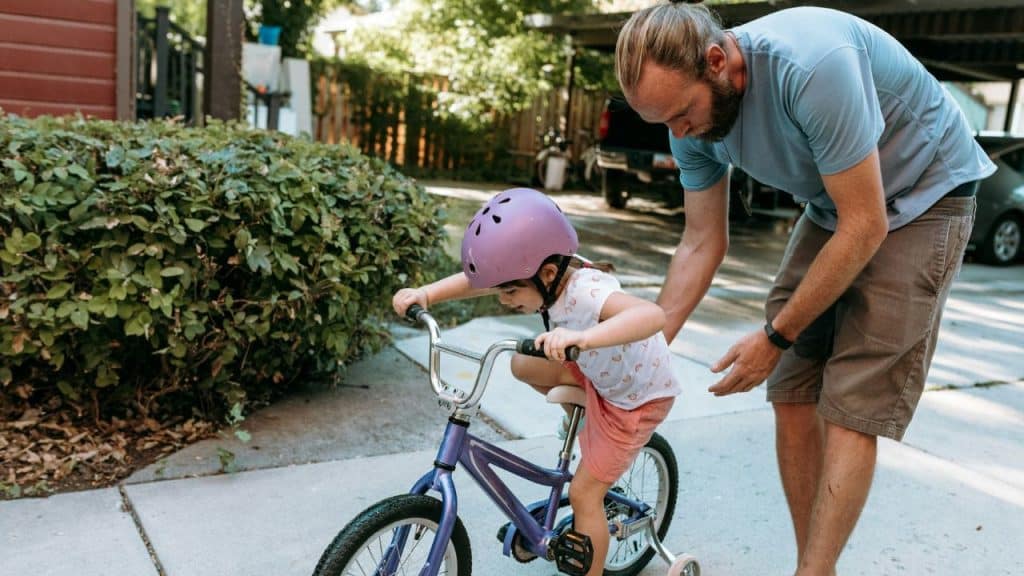
Letting kids take safe risks builds courage. Whether it’s climbing a tree, joining a new team, or trying something new, a bit of fear helps kids grow. Dads who allow controlled risk teach judgment and responsibility in one move. Kids learn to assess danger, trust their instincts, and recover from mistakes. That’s how confidence is built—earned, not gifted.
Letting Kids Lose
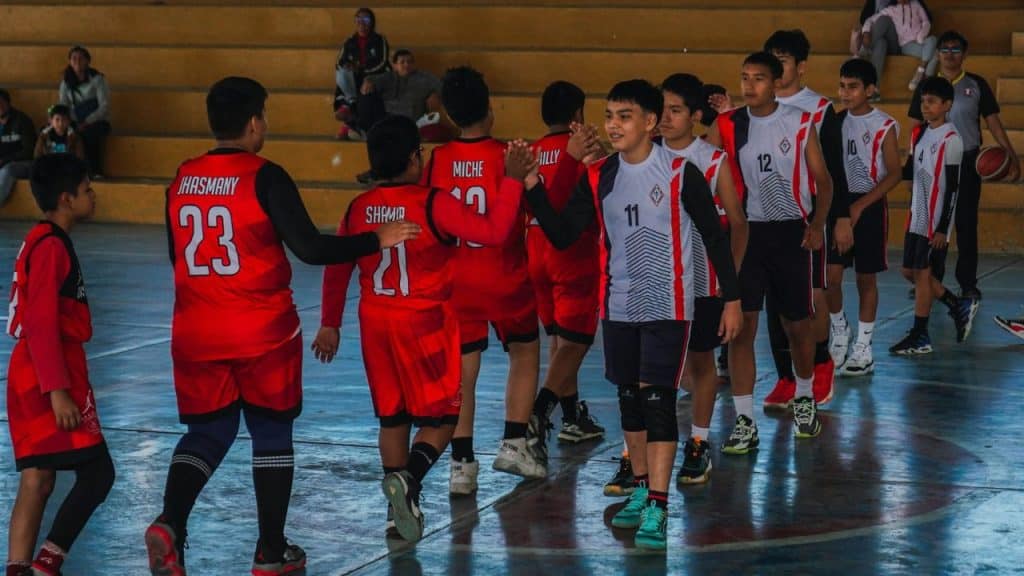
Losing is uncomfortable, but it’s essential. When dads don’t interfere with the outcome of a game or challenge, they’re helping kids understand effort versus outcome. Losing teaches grace, resilience, and motivation. Shielding them from defeat might protect their feelings for a moment, but it weakens their ability to recover later. Losing well is a skill that lasts for life.
Prioritizing Family Respect Over Constant Agreement

Respect matters more than endless harmony. Dads who insist on it teach structure and accountability, not control. Families thrive when everyone knows where the boundaries are. Kids might push back, but that pushback helps them learn what healthy authority looks like. Respect creates stability, even when opinions clash.
Letting Kids Earn Their Own Money
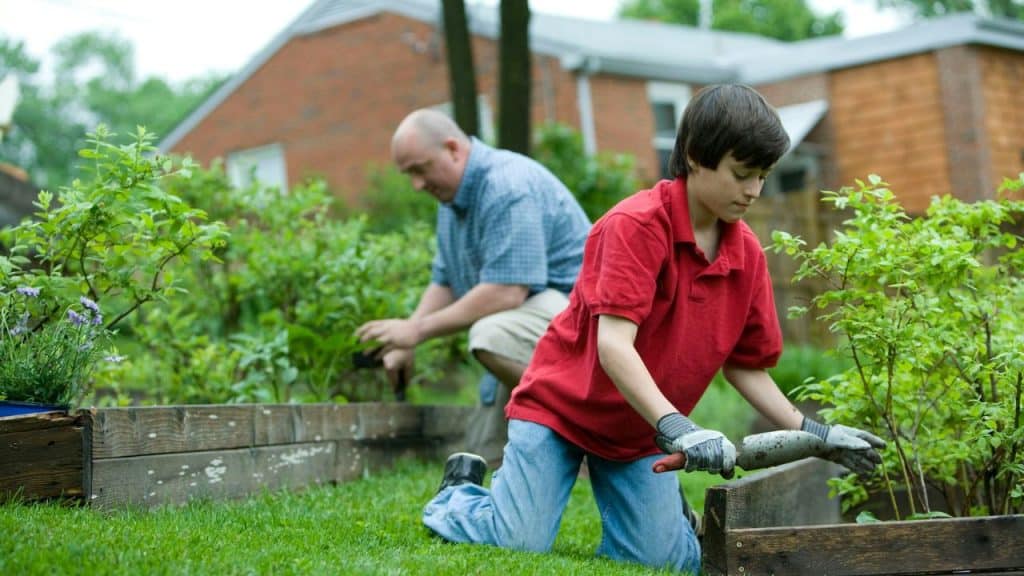
Nothing builds maturity like earning your first paycheck or allowance. Dads who make kids work for their wants teach value and responsibility in one lesson. Whether it’s chores, mowing lawns, or helping out at a shop, that early independence builds pride. Kids quickly see that money represents effort. And that understanding changes how they treat everything they own.
Not Making Every Moment a “Teachable” One
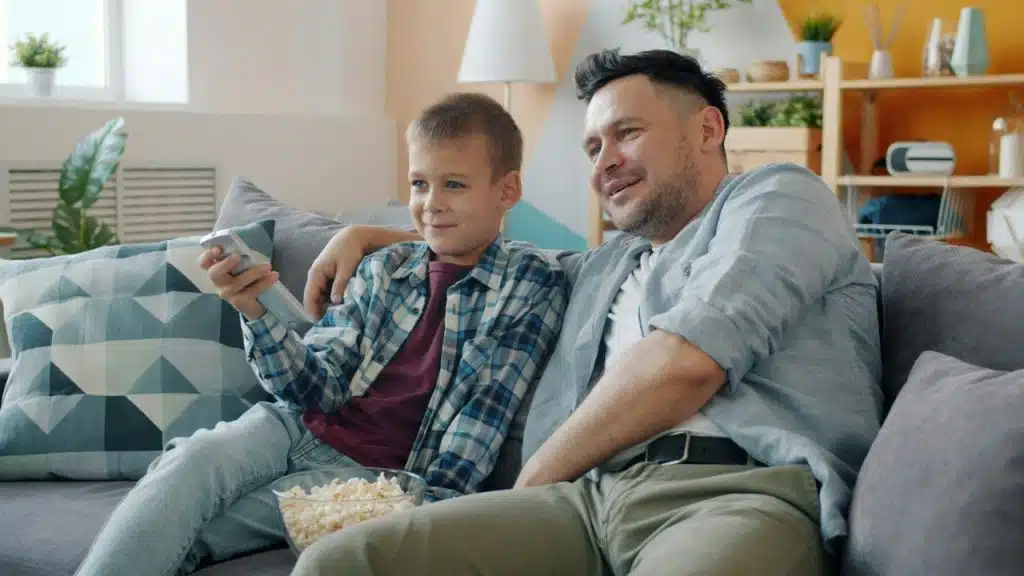
Not every minute needs a life lesson. Dads who can just hang out—no lectures, no guidance—build trust. Sometimes kids need silence, laughter, or shared space more than words. That quiet connection tells them they’re safe, accepted, and seen. Those moments often teach more than a perfectly timed speech ever could.
Holding Kids to High Standards

Expecting more from your kids isn’t harsh—it’s belief in their potential. Dads who demand effort, honesty, and consistency show their kids that excellence matters. It teaches them to aim high without fear of falling short. Kids rise when they know someone expects them to. Standards don’t crush them; they shape them.
Giving Them Room to Fail (Publicly Too)
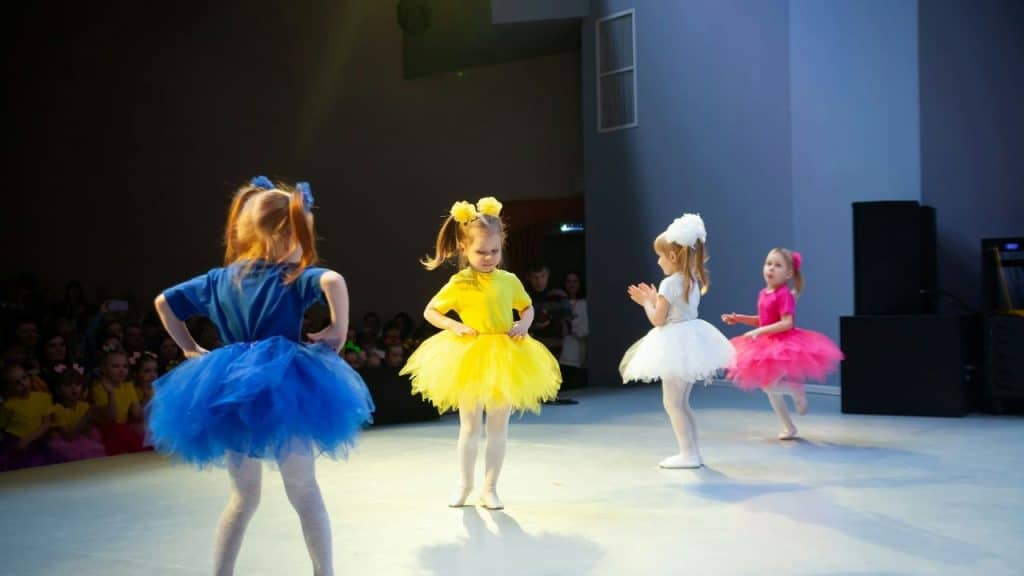
Failure in front of others stings, but it builds courage. Dads who resist the urge to protect their kids from embarrassment are giving them emotional muscle. It teaches humility and the ability to recover with grace. Watching your child stumble is hard, but it’s how they learn that confidence isn’t about never falling—it’s about standing back up.
Letting Kids See You Mess Up
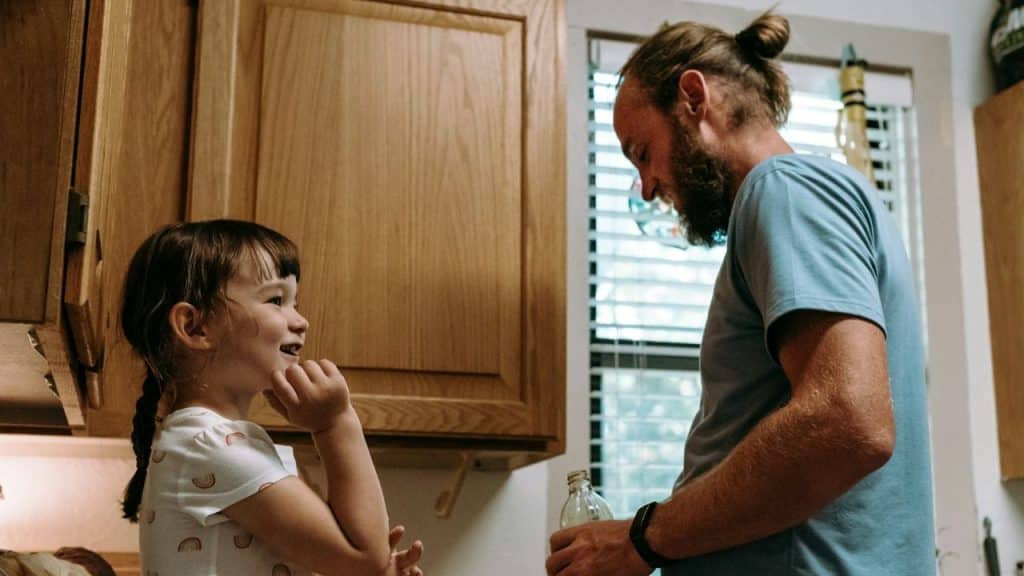
Perfection is impossible, and kids know it. When dads admit their own mistakes, it normalizes imperfection and teaches accountability. Owning up shows strength, not weakness. It also tells kids that failure isn’t something to hide—it’s part of being human. A dad who can say “I was wrong” raises kids who aren’t afraid to grow.
Not Always Putting Kids First
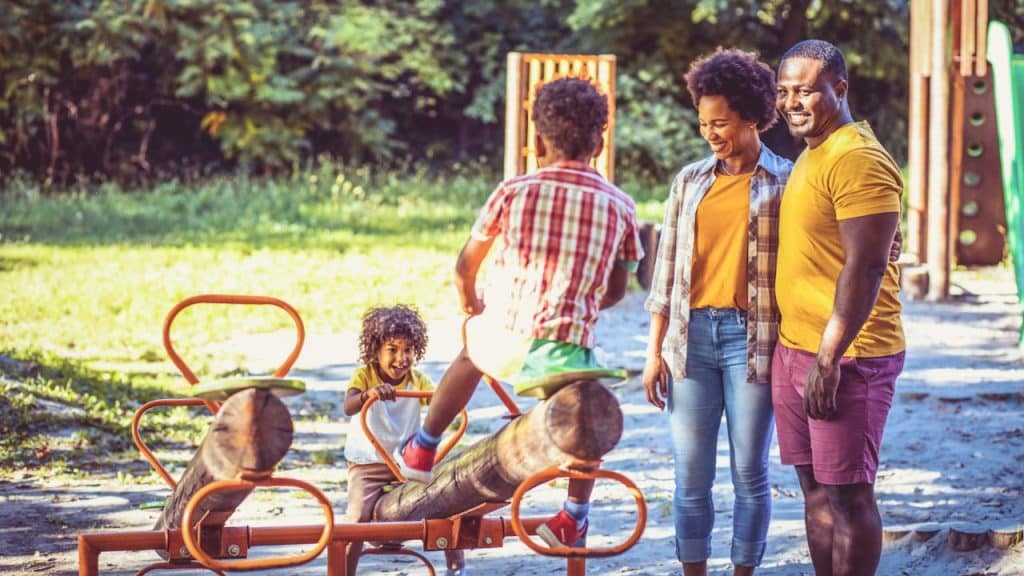
Sometimes the best lesson a dad can teach is balance. When kids see their father prioritize his marriage, health, or career, they learn self-respect. Constantly sacrificing yourself doesn’t make you a better parent; it just models burnout. Kids watching a dad with boundaries grow up understanding that love and self-care can coexist.
Encouraging Independence Early

Letting kids handle small responsibilities gives them a head start on adulthood. Teaching them to cook, clean, or manage a few tasks builds pride and ownership. Independence doesn’t come overnight; it’s built into daily routines. Dads who let their kids try and fail on their own raise confident, capable adults who know how to handle themselves.
Teaching That Life Isn’t Always Fair

The world doesn’t hand out fairness, and pretending it does only sets kids up for frustration. Dads who tell the truth about hard breaks and tough outcomes are preparing their kids for reality. It’s not cold; it’s love rooted in honesty. Learning to face disappointment without resentment builds resilience. That understanding makes life’s wins even more meaningful.








Ask Me Anything