
Every generation swears they had the best childhood, but Boomers might actually have a point. They came of age in a time when kids played outside until dark, music meant flipping through vinyl, and summer felt endless. There were no smartphones, no social media, no constant pings pulling attention away from the moment. Life moved more slowly, but somehow felt fuller. This isn’t about knocking Gen Z—it’s a reminder of what made growing up before screens so special, when freedom and curiosity shaped who you became.
Imagination Was the Best Entertainment
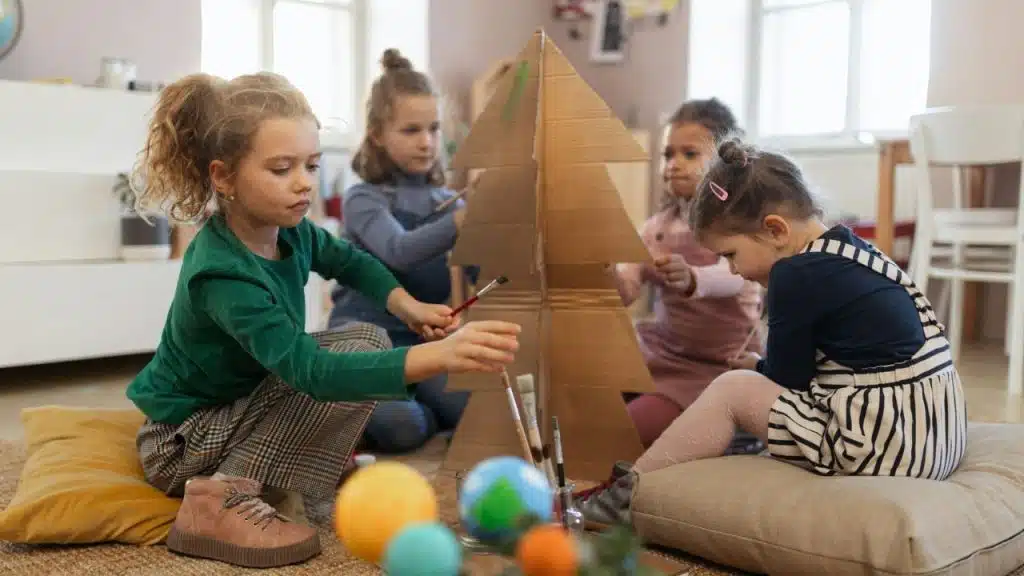
Without digital distractions, kids had to get creative. A pile of cardboard could become a race car, spaceship, or secret fort. Boredom didn’t mean scrolling; it meant building something new. That endless need to make fun out of nothing taught kids to think differently. The world wasn’t just consumed—it was imagined.
Neighborhood Adventures Were the Norm
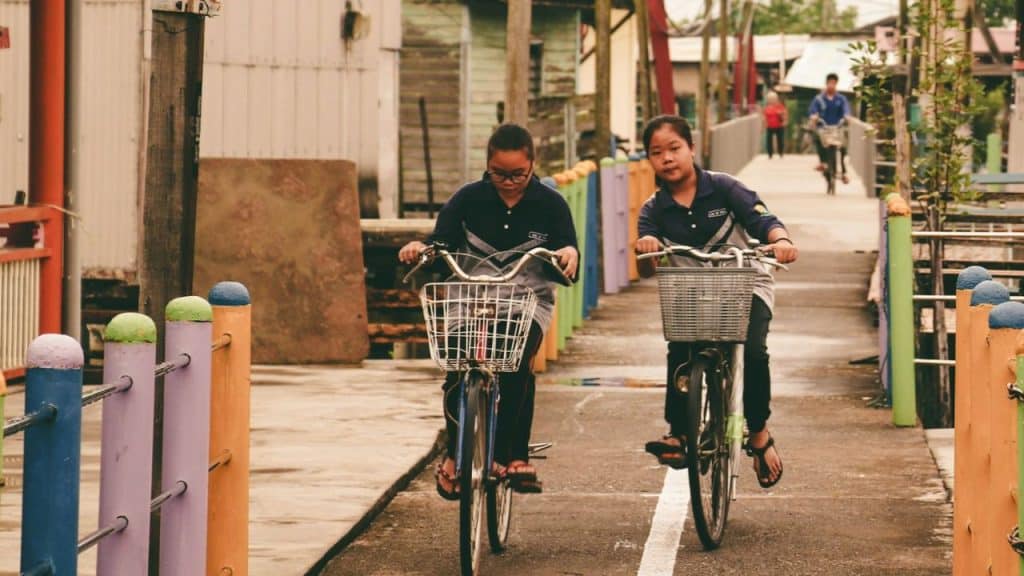
Kids back then didn’t wait for parents to plan their day. They met at the corner, jumped on bikes, and vanished until dinner. Every street, park, and creek became its own playground. Getting dirty, scraped, or lost wasn’t scary—it was part of growing up. That kind of freedom built independence, problem-solving skills, and a sense of adventure that’s rare today.
Boredom Sparked Creativity
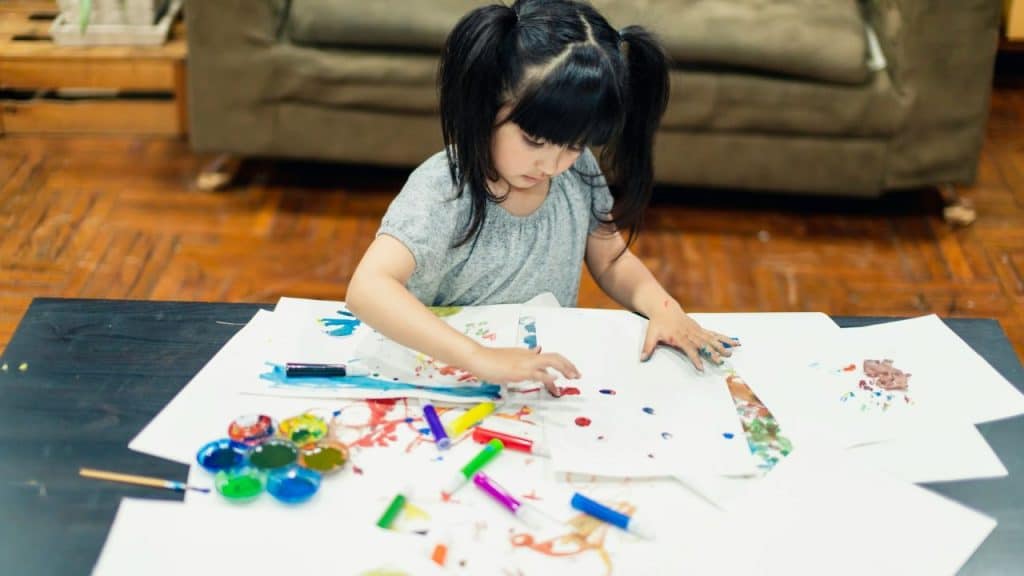
Boredom wasn’t an enemy—it was fuel. It pushed you to draw, build, write, or explore. Kids today can fill every second with content, but back then, you had to make your own fun. That’s how hobbies were born, skills developed, and curiosity thrived.
Weekends Were About Real Connection

If you wanted to see your friends, you knocked on their door. Simple as that. No texting, no scheduling, just showing up. Saturday mornings turned into spontaneous basketball games or backyard cookouts. There was a rhythm to those weekends—real conversation, laughter, and the kind of bonding that doesn’t happen through a screen.
Music Hit Harder When You Had to Earn It
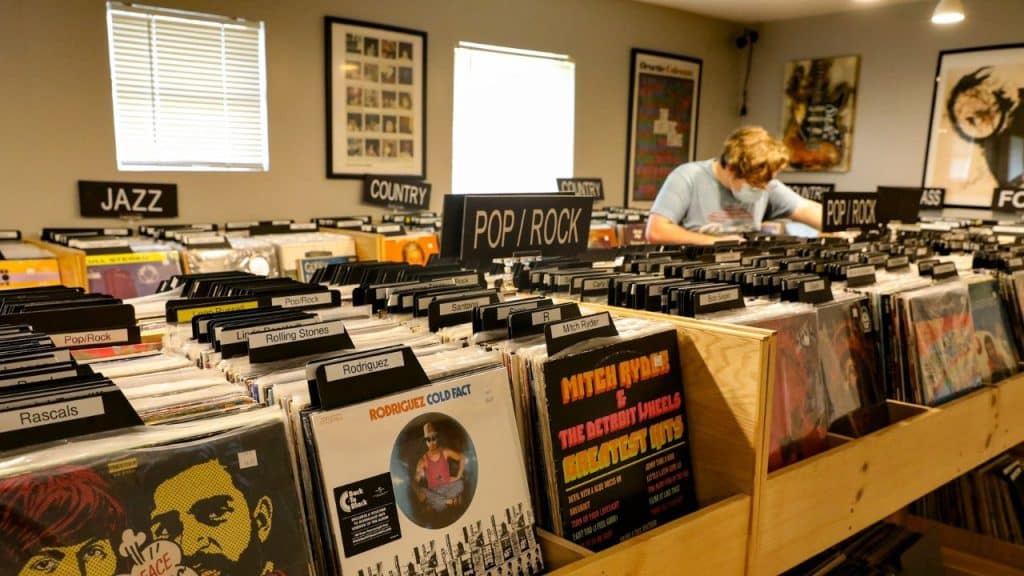
You didn’t just stream an album—you saved your allowance, hit the record store, and listened from start to finish. Every song felt earned. You studied liner notes, shared mixtapes, and memorized lyrics because the music meant something personal. It wasn’t background noise; it was part of your identity.
Cars Had Soul, And You Could Fix Them Yourself
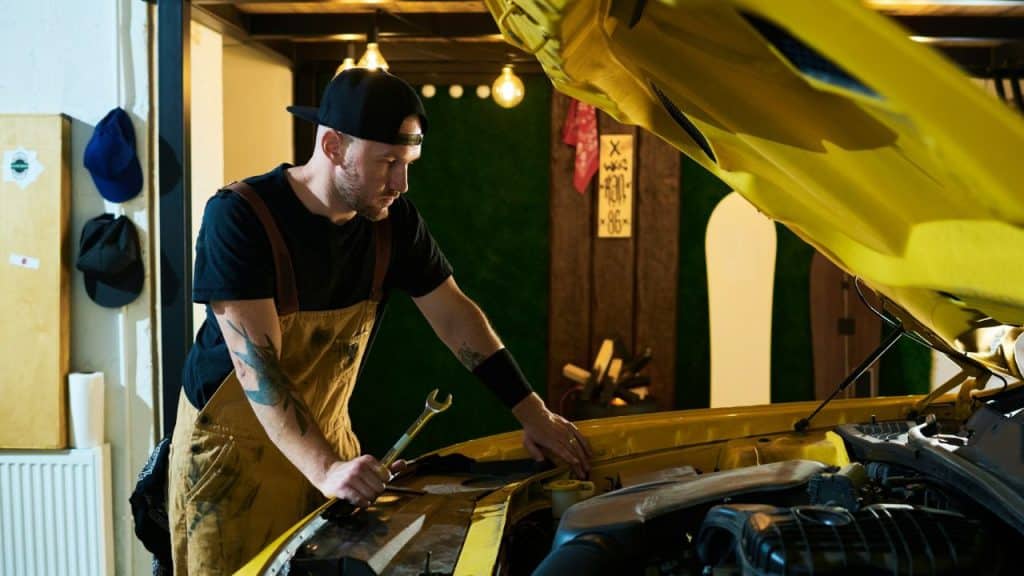
From the rumble of a Mustang to the rattle of an old pickup, cars weren’t just vehicles—they were freedom on wheels. You learned to change the oil, replace a carburetor, and keep it running. Every dent told a story. Working on your ride wasn’t a chore; it was a rite of passage that made you proud of what you owned.
Family Dinners Were Sacred
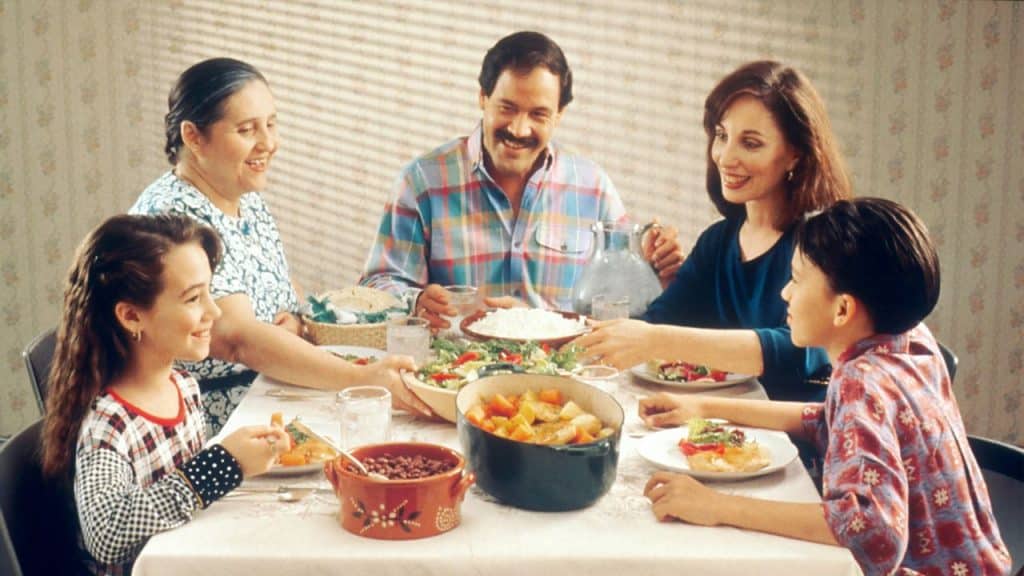
No one scrolled through dinner. You sat down, passed the mashed potatoes, and talked about your day. Arguments, jokes, and advice all happened around that same table. It was the one place where everyone slowed down long enough to connect. Those meals built stronger families than any group chat could ever do.
Independence Wasn’t Optional
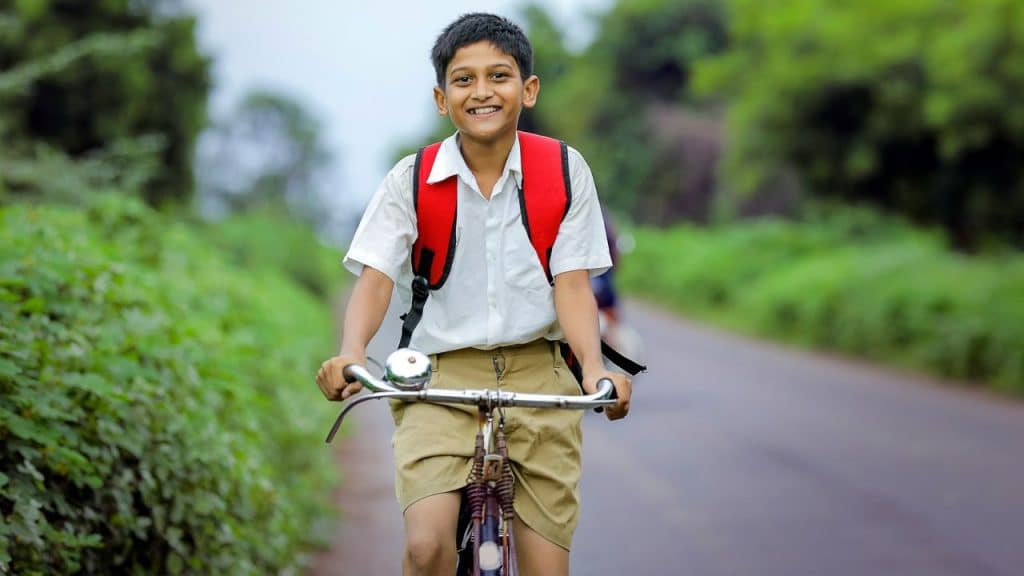
There were no tracking apps or helicopter parents. You had to figure things out on your own. Getting lost, missing the bus, or finding your way home after dark wasn’t terrifying—it was normal. That kind of self-reliance turned kids into adults who knew how to handle life without panic.
Dating Required Real Courage

You couldn’t hide behind a screen or a clever bio. If you liked someone, you walked up and said so. Sometimes you get a yes, sometimes a no, but either way, you learned confidence. That face-to-face honesty made relationships more authentic and taught you how to handle rejection like an adult.
Going To The Movies Felt Like An Event
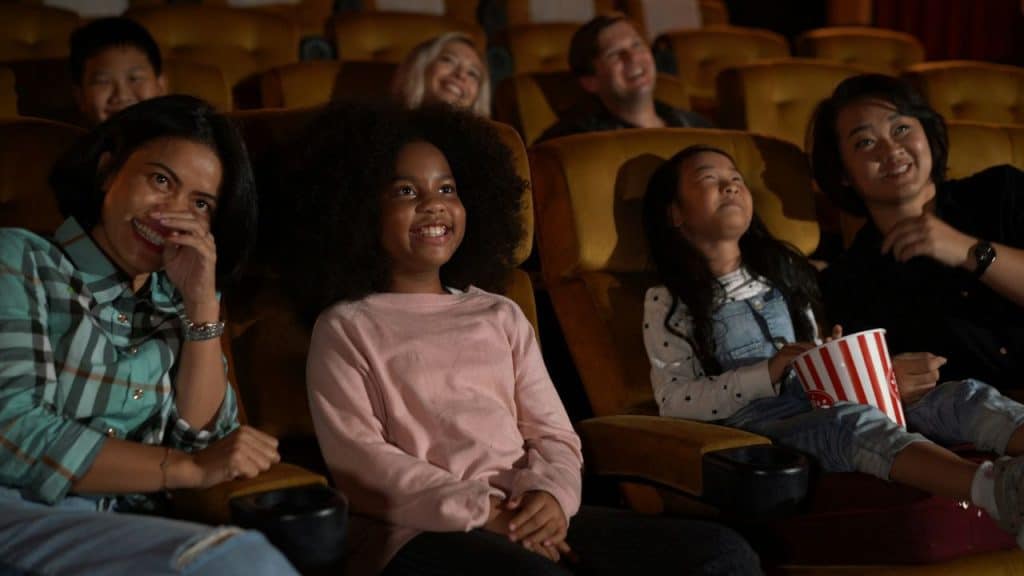
You planned for it all week. You stood in line, smelled the popcorn, and waited for the lights to dim. There were no glowing screens distracting anyone—just the sound of a hundred people sharing the same story. Going to the theater felt magical, and it stayed with you long after the credits rolled.
Learning Came From Doing, Not Googling
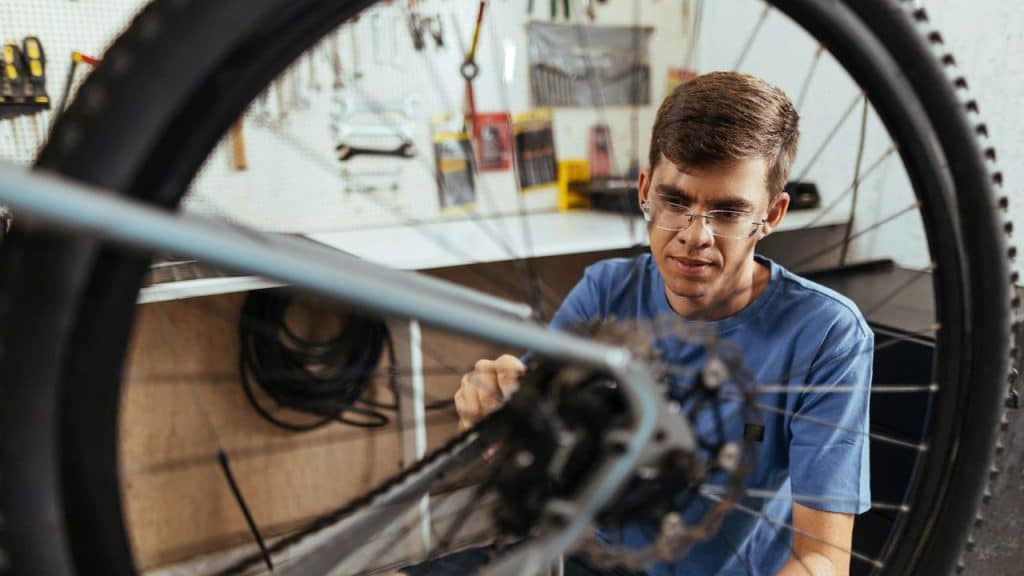
If something broke, you didn’t look up a video—you figured it out. You learned by watching, tinkering, and failing a few times along the way. Fixing your bike or building a go-kart taught lessons that stuck for life. Trial and error wasn’t scary; it was how you grew.
Friendships Were Built, Not Followed
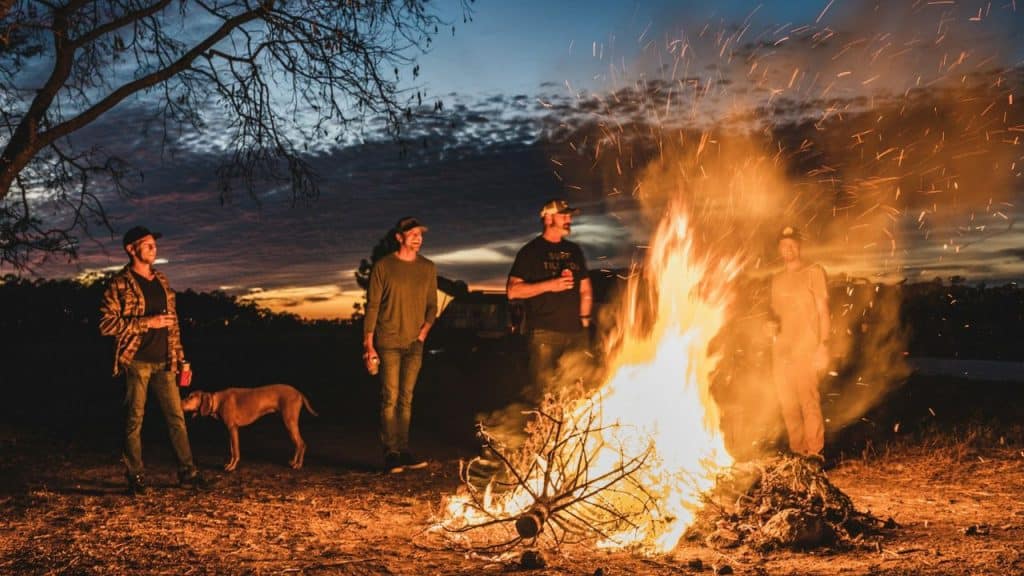
Friendships weren’t measured by likes or followers. You built them through shared moments—helping a buddy move, fixing a car together, or sitting on a porch talking until midnight. It wasn’t about showing your life online; it was about showing up in real life. Those bonds weighted because they were earned.
Summers Lasted Forever

Summer meant freedom from alarms, screens, and schedules. Days stretched out endlessly, filled with swimming holes, late-night talks, and the smell of cut grass. You didn’t document it—you lived it. Every summer felt like a lifetime packed into a few sunny months.
Work Stayed At Work

Once you clocked out, that was it. No one could email or message you after hours. Evenings were for your family, your hobbies, or a cold beer on the porch. That separation made downtime feel real. You actually rested, recharged, and returned to work ready to go again.
Taking Risks Was Part Of Growing Up
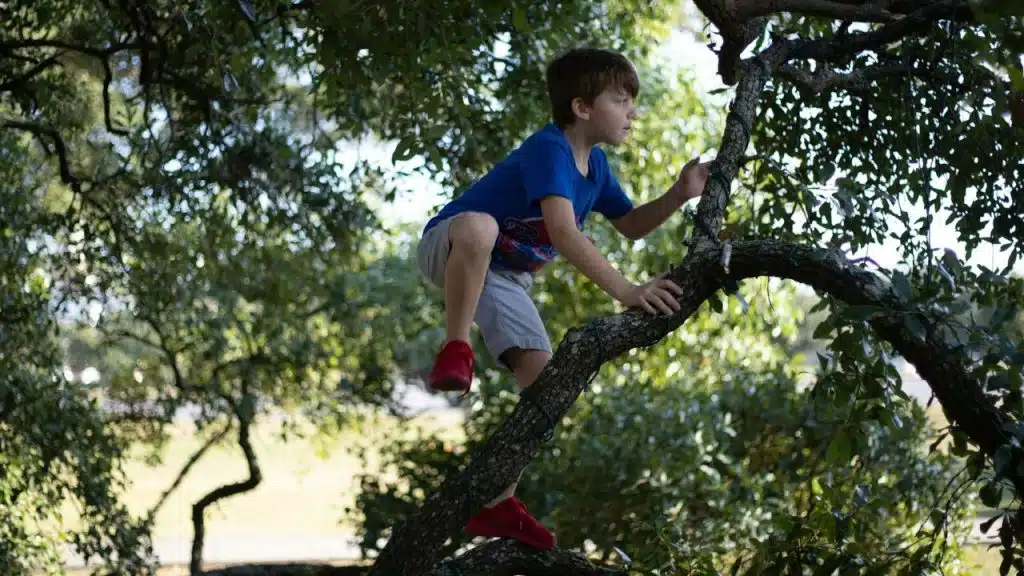
Kids climbed trees, built ramps, and wiped out on their bikes. Parents didn’t panic over every scrape; they knew risk was part of the deal. Falling taught you to get up. Trying new things built confidence long before anyone called it “resilience.”








Ask Me Anything