
Success is intoxicating, but it can also be isolating. You climb the mountain only to realize there aren’t many people at the summit. Every accomplishment comes with an unspoken trade‑off: those long nights and early flights rob you of the friendships and intimacy you once took for granted. If you’ve ever wondered why your calendar is full yet your life feels oddly empty, you’re not alone. Even top executives admit loneliness affects them, and the health risks are nothing to laugh at, so let’s explore the subtle ways isolation creeps into a high‑performing man’s life and what you can do about it.
When Winning Comes First

You’ve been chasing trophies, titles, and another zero on the end of your salary. Instrumental goals keep you laser‑focused, but they also pull you away from dinner tables, weekend barbecues, and spontaneous chats with old friends. How often do you skip a kid’s recital or blow off a buddy’s call because “work can’t wait”? It’s easy to tell yourself the relationships will still be there when you’re ready, but friendships need tending like anything else. Ask yourself what you’ll have left when the applause fades and the office lights go dark.
Lonely at the Top

Your seat at the head of the table gives you authority, but it can also feel like a glass box. Without true peers, you’re surrounded by colleagues who defer rather than connect, and that leaves you without someone to vent to when the pressure mounts. Ever caught yourself thinking, “Who can I talk to about this without it ending up in a meeting agenda?” Being the boss can turn into being the loneliest guy in the building. Building relationships with fellow leaders or outside mentors is not indulgent; it’s essential.
Fear of Vulnerability
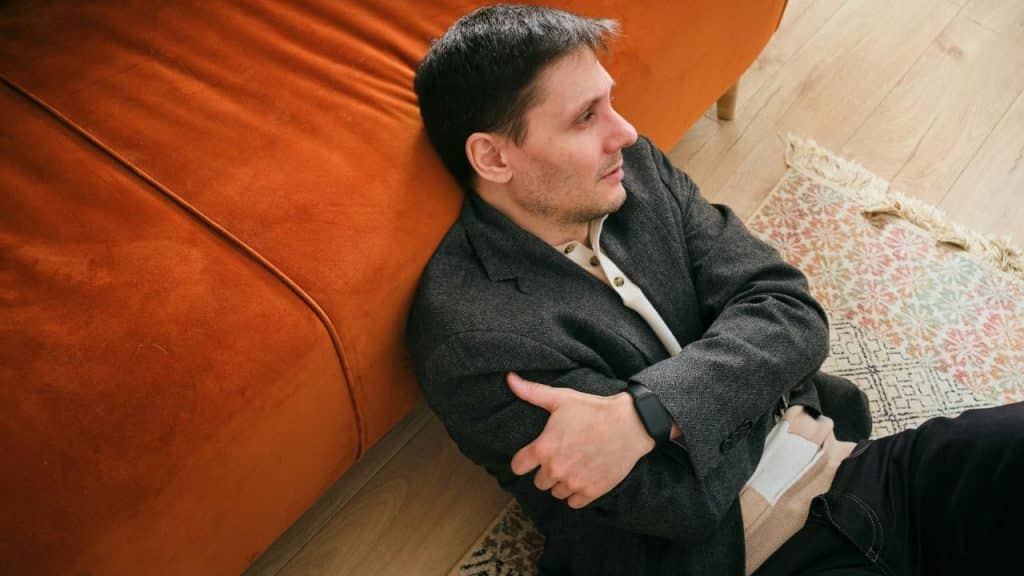
Men are told to be stoic, to suck it up, and get on with it. Showing emotion is often treated like a weakness, so you keep your worries to yourself and pretend everything is fine. The trouble is that the stiff upper lip is a wall that keeps everyone out, including the people who care about you. Are you really protecting your reputation, or are you just building your own prison? Opening up to a trusted friend or partner won’t make you less of a man—it will make you more human.
Burning the Midnight Oil

\\You pride yourself on being the hardest worker in the room, and your schedule proves it. Those early mornings and late nights mean your job is thriving while your social life atrophies. When was the last time you had a relaxed meal that wasn’t squeezed between meetings or tasks? Sleep deprivation and endless hustle aren’t badges of honor; they’re warning lights. Consider how many hours you’re investing in work versus the people who will be there long after your title changes.
New City, New Isolation

The promotion came with a relocation package and a fresh zip code. Sure, the job is bigger, but your network disappeared overnight. Finding yourself alone in a new place can feel like being a freshman all over again, except this time you’re expected to have it all figured out. Do you spend weekends exploring, or do you bury yourself in work because it’s easier than making new friends? Take the initiative: join a club, learn a local hobby, or simply introduce yourself to neighbors. Connection doesn’t happen by accident.
Friendships on Pause

Remember when you and your buddies would talk for hours about nothing? Now, your conversations are squeezed into text threads between meetings, if they happen at all. Many men find their social circle shrinks in midlife, not because they don’t care but because life gets messy. Is there an old friend you’ve been meaning to call? Reach out. Even a five‑minute chat can rekindle a bond and remind both of you that you’re not walking through this alone.
Roommates, Not Lovers

It’s frighteningly easy for a marriage to slide into a logistics partnership. You share a roof and a mortgage, but the emotional connection gets lost amid kids, deadlines, and divided attention. How long has it been since you and your partner laughed together, flirted, or talked about dreams instead of chores? If date nights feel like another task on your to‑do list, it’s time to recalibrate. Intimacy isn’t a luxury; it’s the glue that keeps you from feeling lonely while sleeping next to someone.
Stuffing Down Feelings

You get angry at traffic, frustrated by minor setbacks, and snap at people you love. These reactions often mask emotions you’ve refused to name. Ignoring sadness or fear doesn’t make it disappear; it just leaks out sideways as irritation or cynicism. When was the last time you sat with a feeling instead of burying it in work or workouts? Being honest with yourself is the first step toward letting someone else in. Your feelings are not an inconvenience; they’re signals that you need support.
Hiding in Distractions

Work is your refuge. Or maybe it’s golf, video games, or endless news cycles. Those activities are fine in moderation, but they become problematic when they replace real human contact. Do you find yourself choosing another hour of emails or another mile on the treadmill instead of meeting a friend for coffee? Consider whether these activities are hobbies or shields. Loneliness can push you toward addictive patterns; awareness can pull you back.
Body Sends a Signal

Your body keeps score when your social life is starved. Chronic headaches, sleepless nights, or an unexplained ache may be your body’s way of saying, “I need connection.” Ignoring those physical cues can lead to serious problems down the road. Have you noticed you catch colds more often, or that your mood swings are wilder than they used to be? Treat these signs with the same urgency you would a financial warning: see a doctor, check your stress levels, and tend to your support system.
Scrolling Isn’t Connection

It’s tempting to equate digital “likes” with genuine relationships. Social media and professional networks give you a taste of interaction without the work of real conversation. But endless scrolling won’t fill the gap left by a missing friend. When you post a win online, do you feel celebrated or still oddly alone? Challenge yourself to turn virtual connections into actual conversations. A call or an in‑person chat beats an emoji every time.
Carrying All the Weight

Decision fatigue is real. Being the go‑to guy for answers can leave you mentally and emotionally drained. Who helps you when you need to choose between two hard options? Shouldering the burden alone might seem noble, but it can isolate you from others who could share the load. Opening up to a confidant or a peer group can lighten the mental weight and remind you that you don’t have to be a one‑man army.
Do I Belong Here?

Imposter syndrome doesn’t care about your title or your track record. It whispers that you’ve fooled everyone and that the next mistake will expose you. That nagging voice keeps you from letting people in because you fear they’ll see through the façade. Does perfectionism keep you from enjoying your achievements? Talk to other high performers and you’ll discover you’re not alone in doubting yourself. Owning your accomplishments and letting others see both your strengths and weaknesses can dissolve that sense of isolation.
After the Applause

You’ve hit your targets, banked your bonuses, and maybe even retired. Now what? The phone stops ringing, and your value feels tied to a title that no longer exists. Without the structure and status of work, many men feel untethered. It’s easy to mistake this void for freedom until it becomes a yawning loneliness. Purpose doesn’t retire; it evolves. Find causes, hobbies, or mentorships that give your days meaning beyond the office.
Lone Wolf Myth

Western culture loves the self‑made man, the lone wolf who needs no one. That myth is seductive but toxic. Human beings are wired for connection; isolation isn’t strength, it’s deprivation. Are you clinging to a persona that hurts you more than it helps? Let go of the idea that asking for help makes you weak. Embracing community and vulnerability doesn’t diminish your masculinity—it enriches your life and sets a powerful example for others.








Ask Me Anything