
Some wives carry invisible pressure to keep everyone happy. They say yes to every request even when they are exhausted. Over time, this “yes” habit creates emotional fatigue and resentment. Men who notice early can help their partner find balance before burnout begins.
The Hidden Cost of Over Giving

Saying yes too often often hides fear of disappointing others. Experts link this people pleasing pattern to higher stress and anxiety in women. A supportive husband can encourage rest and shared responsibility. Love thrives when both partners feel safe to pause.
When “I’m Fine” Isn’t Fine

If your wife says she’s okay but her body language says otherwise, listen to the silence. Chronic fatigue, irritability, or loss of joy are warning signs of emotional overload. Men can respond with empathy instead of advice. Sometimes listening is the most powerful act of care.
She Handles Everything Alone

When she insists on managing every detail, it may look like strength but often signals burnout. Taking over small tasks shows teamwork, not intrusion. Studies show shared household duties lower relationship stress. Support restores both love and mental energy.
Guilt Is Her Constant Companion

Women who can’t say no often carry guilt for resting or prioritizing themselves. Guilt driven living erodes mental health and intimacy. Reassure her that rest isn’t selfish. When partners normalize downtime, both mental and physical health improve.
The Emotional Load Men Don’t See

Emotional labor isn’t just chores, it’s remembering birthdays, appointments, and everyone’s needs. Men who notice and share this load ease their partner’s stress levels. Studies show emotional balance reduces cortisol, improving mood and heart health. Awareness is the first act of support.
Constant Busyness as a Distraction

Some wives stay busy to avoid feeling unappreciated or overwhelmed. The problem is that constant motion prevents recovery. Suggest simple mindfulness practices or short walks together. Physical stillness helps emotional reset.
Her Health Starts to Slip

Fatigue, headaches, and irregular sleep can point to stress overload. Chronic stress in women affects hormone balance and immune health. Encourage her to book regular checkups and rest days. Preventive care helps couples avoid long-term health issues.
She Avoids Saying What She Needs

When she hesitates to express needs, it may stem from past dismissal or fear of conflict. Men can create safety by asking open questions and staying patient. A healthy partnership values expression over perfection. Emotional honesty deepens connection.
The “Strong Wife” Trap

Society often celebrates women who “do it all.” But the image of constant strength hides exhaustion. Real strength lies in knowing when to rest. Husbands who normalize vulnerability make emotional wellness possible for both partners.
You Notice She’s Short Tempered

Burnout rarely starts with tears, it begins with irritability. A short fuse often signals she’s running on empty. Instead of reacting defensively, offer presence and help. Calm reassurance reduces stress faster than confrontation.
Date Nights Disappear

When she’s too tired to connect, intimacy naturally fades. Exhaustion kills romance faster than routine. Men can reignite connection by scheduling simple, pressure free moments together. Even small laughter resets emotional chemistry.
She Stops Asking for Help

When a woman stops asking, it’s often because she’s given up on being heard. Recognizing that silence as a red flag matters. Taking initiative before she reaches burnout can save the relationship from emotional distance.
The Mental Load Shows Physically

Burnout shows up in posture, sleep, and digestion. Chronic stress affects gut health and blood pressure. Encourage mindfulness, yoga, or a shared workout routine. Movement releases tension and boosts natural energy.
She Says Yes to Everyone but Herself
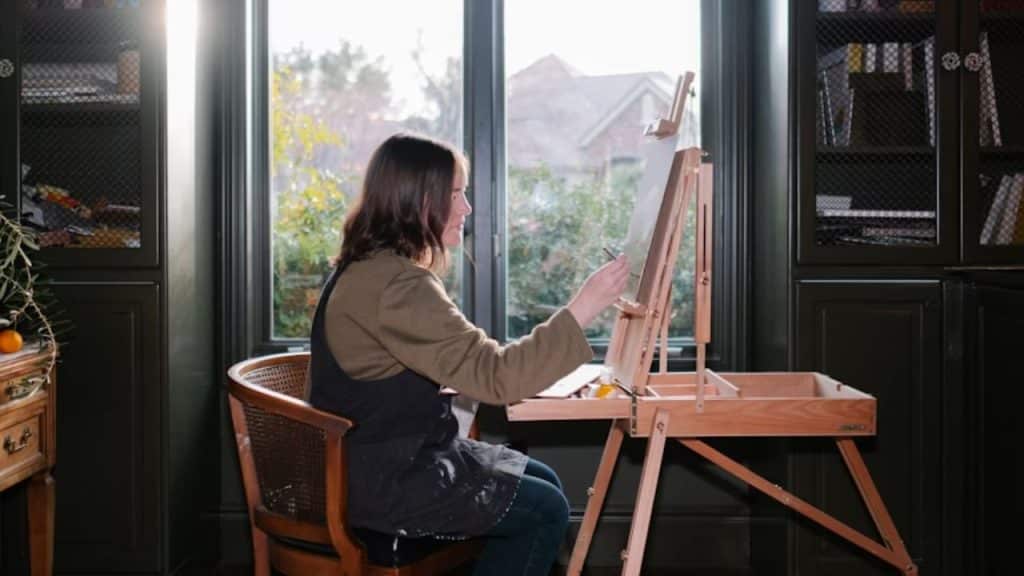
If she’s always available for others but never for her own needs, self worth may be fading. Encourage hobbies that belong only to her. Personal time rebuilds identity and joy, two pillars of long-term emotional health.
You Become Her Safe Space Use It Well

When she finally opens up, respond with calm and gratitude, not correction. Listening well lowers anxiety and builds emotional trust. Psychology studies confirm that validation increases relationship satisfaction. Gentle presence heals faster than any solution.
Encourage Boundaries, Not Barriers

Boundaries protect relationships from resentment. Suggest she practice saying no to unnecessary obligations. Respect her time when she rests or recharges. The more balanced she feels, the stronger the connection becomes.
Model the Behavior You Want to See

If you also take breaks and prioritize health, she will feel permission to do the same. Leading by example fosters mutual wellness. Men who embrace balance inspire more peaceful relationships. Healthy masculinity includes rest, not just productivity.
Rebuild Joy Together

Schedule activities that are not about chores, kids, or errands. Shared laughter reduces tension and resets emotional connection. Science links playfulness in adults to improved resilience and heart health. Couples that laugh together stay healthier together.
Remind Her That “No” Can Be Loving

Saying no can be an act of self respect, not rejection. When she practices boundaries, support her choices without guilt. Love that allows space is love that lasts. Rested hearts love more deeply and more honestly.








Ask Me Anything