
Most high-performing men don’t broadcast how they manage emotions—they just do it. They’ve learned that emotional intelligence for men is about quiet control, not open display. It’s the ability to think clearly when tension rises, to handle criticism without crumbling, and to stay composed when everything’s moving fast. This kind of emotional maturity in men doesn’t come from motivational quotes or therapy jargon. It comes from habits built in private that protect their focus, relationships, and peace of mind.
They Don’t Chase Validation

Validation feels good but fades fast. High-performing men know that external approval can’t replace internal confidence. They focus on consistent effort, not applause. The real reward is progress and peace, not praise. This mindset gives them the stability to make decisions based on principles, not popularity—a core part of emotional discipline for men who want long-term success.
They Don’t Outsource Happiness

Emotionally strong men take responsibility for their own mindset. They don’t wait for circumstances or people to make them feel better. Instead, they build routines, habits, and values that sustain happiness from within. This self-reliance keeps them centered even when life gets unpredictable. It’s one of the most defining habits of emotionally strong men—ownership over how they feel and respond.
They Know When To Step Back
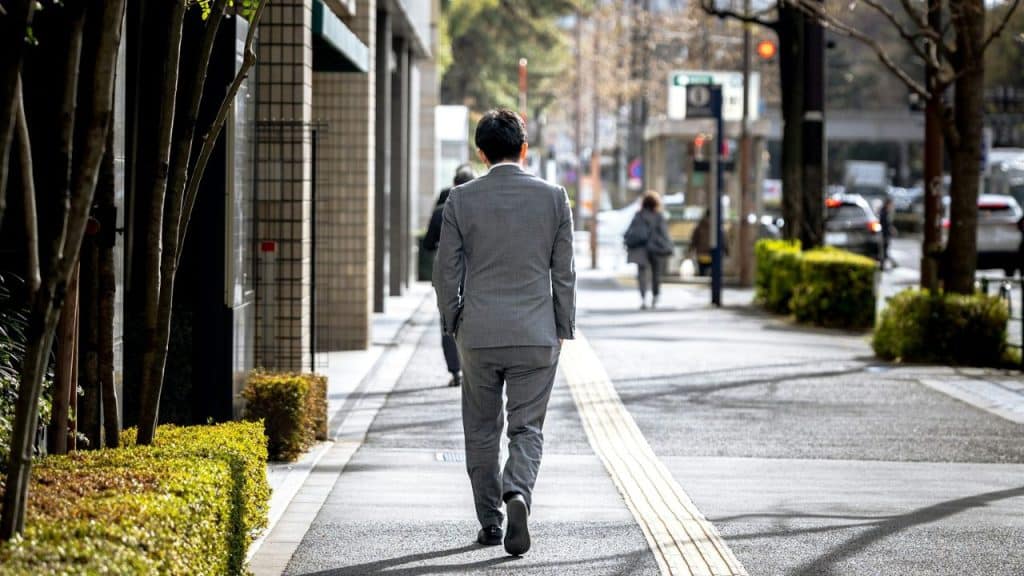
Knowing when to walk away is emotional discipline in action. High-performing men recognize the point where focus turns to fatigue. They step back before burnout hits or conflict escalates. This space allows them to recharge and return sharper. It’s not quitting; it’s maintaining their ability to keep performing at a high level without collapsing from exhaustion or pride.
They Don’t Take Criticism Personally

Criticism can sting, but strong men don’t take it as an attack. They separate tone from truth and filter out what’s useful. Emotional maturity shows up when they can hear feedback without spiraling into defense. This habit turns discomfort into data, helping them grow without losing confidence. It’s how emotionally strong men turn judgment into improvement instead of resentment.
They Respect Boundaries—Theirs And Others’

Men with emotional awareness understand that boundaries protect energy and focus. They say no to things that drain them, even if it disappoints others. They also recognize that other people’s limits deserve the same respect. This balance builds trust and prevents resentment from creeping in. In the long run, it’s what allows them to give their best without losing themselves.
They Pause Before Reacting

Strong men understand that emotional control for professionals starts with stillness. They give themselves a beat before replying, even when provoked or pressured. That pause protects their clarity and prevents rash words that can damage relationships or reputation. This small act separates emotion from impulse, allowing them to respond with precision. It’s not weakness; it’s a quiet show of strength that builds trust and authority in any room.
They Journal To Process Frustration

For many men, journaling is not about poetry—it’s about peace of mind. A few short notes at night can turn confusion into clarity. Writing down frustrations helps spot emotional triggers and recurring stress patterns before they spiral. This habit doesn’t need to be daily or perfect, just honest. Over time, it sharpens awareness and becomes a form of emotional maintenance that supports both productivity and mental resilience for men.
They Name Their Emotions, Not Bury Them

High-performing men know buried emotions don’t disappear; they just resurface in worse ways. By naming what they feel—anger, fatigue, insecurity—they take back control. It gives structure to chaos and helps separate emotion from identity. This practice builds emotional maturity in men by allowing them to handle pressure without letting it leak into other areas of life. A man who can label what he feels can lead without losing his edge.
They Keep One Trusted Confidant

Every strong man has at least one person he can speak honestly to. Whether it’s a close friend, mentor, or therapist, that relationship acts as an emotional anchor. Talking things through with someone who listens without judgment prevents bottled-up tension. It’s not about seeking advice every time—it’s about having a safe outlet for the thoughts that stay heavy. Quiet support like this keeps high-performing men grounded and balanced.
They Practice Controlled Vulnerability

Strong men are not afraid to open up, but they choose when and how. They know honesty builds connection, but oversharing can dilute respect. Controlled vulnerability means speaking truthfully about what matters while staying anchored in self-respect. It makes them relatable without losing authority. This balance is a quiet power that earns loyalty and trust in both work and relationships.
They Use Exercise As Emotional Maintenance

For many men, movement is therapy. A run, a workout, or even a walk helps reset the mind when stress builds up. Exercise clears emotional clutter, improves focus, and fuels resilience. It’s not about vanity; it’s about regulation. High-performing men treat physical activity as emotional upkeep, knowing a strong body keeps the mind steady under pressure.
They Stay Present In Conversations

High-performing men understand that half-listening ruins trust. When they talk to someone, they’re there—no phone, no distraction. This focus communicates respect and control. It also sharpens their leadership presence, making others feel heard and valued. Emotional intelligence for men often starts with something simple: showing up fully in every interaction.
They Give Without Keeping Score

Emotionally mature men don’t help others for recognition. They give support, advice, or kindness without expecting it back. This mindset builds quiet confidence and a deeper connection. When giving becomes genuine, resentment doesn’t grow. It’s emotional generosity that strengthens relationships and keeps peace within.
They Control Their Digital Inputs

High-performing men guard what they consume. Too much noise—news, arguments, comparisons—can hijack focus and mood. They curate what enters their mind the same way they control their diet. This doesn’t mean isolation; it means intentional consumption. That awareness keeps their emotional state steady and their mental bandwidth clear for what truly matters.
They Express Gratitude In Private

Gratitude isn’t about public displays. It’s about quietly recognizing what’s going right. Successful men often take a few minutes to reflect on wins, lessons, or even challenges that taught them something. This habit builds perspective and steadies their emotions when life feels intense. Gratitude practiced in silence strengthens humility and confidence at once.
They Accept Failure As Information

Failure doesn’t define them; it teaches them. High-performing men study what went wrong without self-pity. They adjust, recalibrate, and move forward. Every setback becomes a data point that shapes better judgment. This calm approach to failure builds long-term confidence and separates emotional maturity from ego.
They Keep Humor Close

A man who can laugh under pressure doesn’t lose perspective. Humor lightens the load and breaks the tension before it breaks him. It’s a reminder that not every problem deserves full emotional weight. Keeping humor close helps high-performing men stay flexible and human, even when the stakes are high. It’s not about avoiding seriousness—it’s about remembering that strength and lightness can coexist.








Ask Me Anything