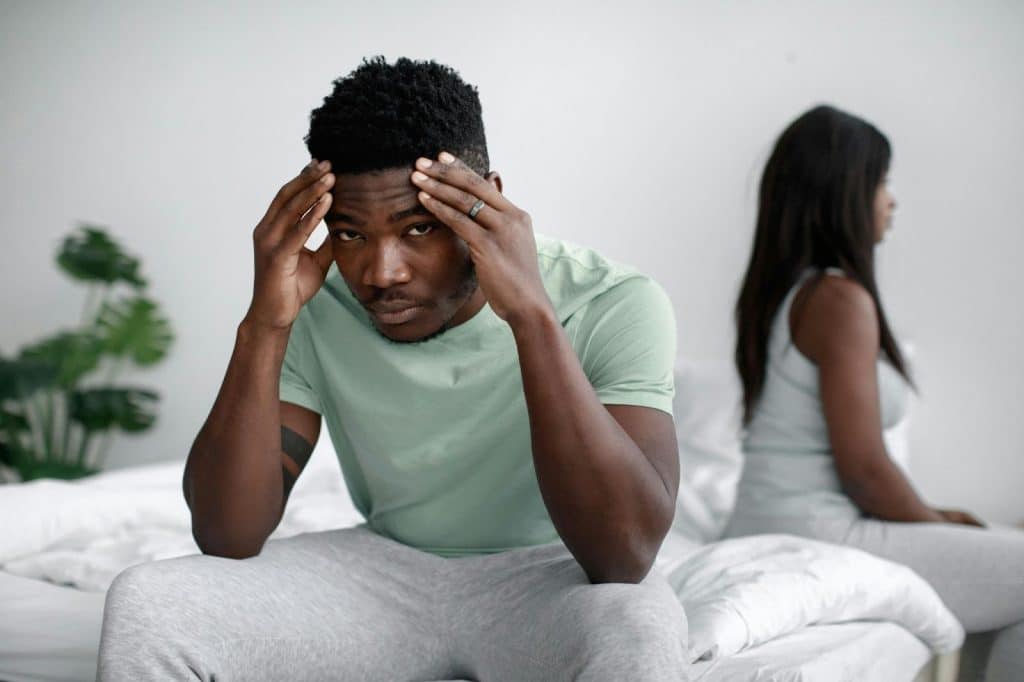
Love is supposed to be a two-way exchange, care flowing back and forth, effort met with effort. But sometimes, without warning, it tilts. One person starts giving more, trying harder, holding on tighter. The other drifts, often unaware of the weight being carried for both. It’s rarely intentional, but it’s always painful. When love starts feeling one-sided, it isn’t a lack of affection, it’s a sign that balance has quietly slipped through the cracks.
When You’re Always the First to Reach Out

It starts small, you send the good morning text, plan the weekend, check in after their long day. It feels natural at first, but eventually, you notice they rarely do the same. It’s not about counting gestures; it’s about feeling seen. Love loses its warmth when connection depends on one person’s constant effort.
When You Listen, But They Don’t Ask Back
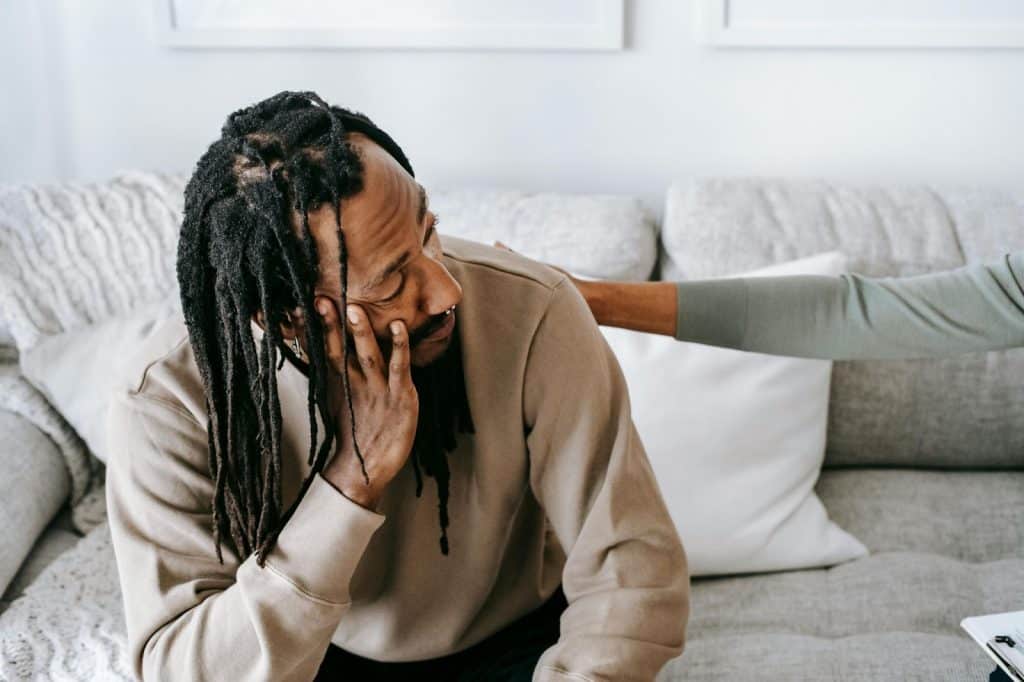
Some people share easily, others struggle to open up, but when listening becomes a one-way street, exhaustion builds. You learn their fears, their dreams, their moods, but they barely scratch the surface of yours. Real connection thrives on curiosity, not convenience.
When Affection Feels Like a Reward

Touch, praise, or attention shouldn’t feel conditional. If you notice that affection only comes when you do something “right,” you’re no longer loved freely, you’re being managed. Genuine love flows without permission.
When Silence Becomes Easier Than Speaking Up

You used to express your thoughts freely, but now you hesitate, not out of fear, but because it feels pointless. When communication turns into a guessing game, the heart starts to retreat. Emotional silence isn’t peace; it’s distance in disguise.
When You Carry Their Stress but They Ignore Yours
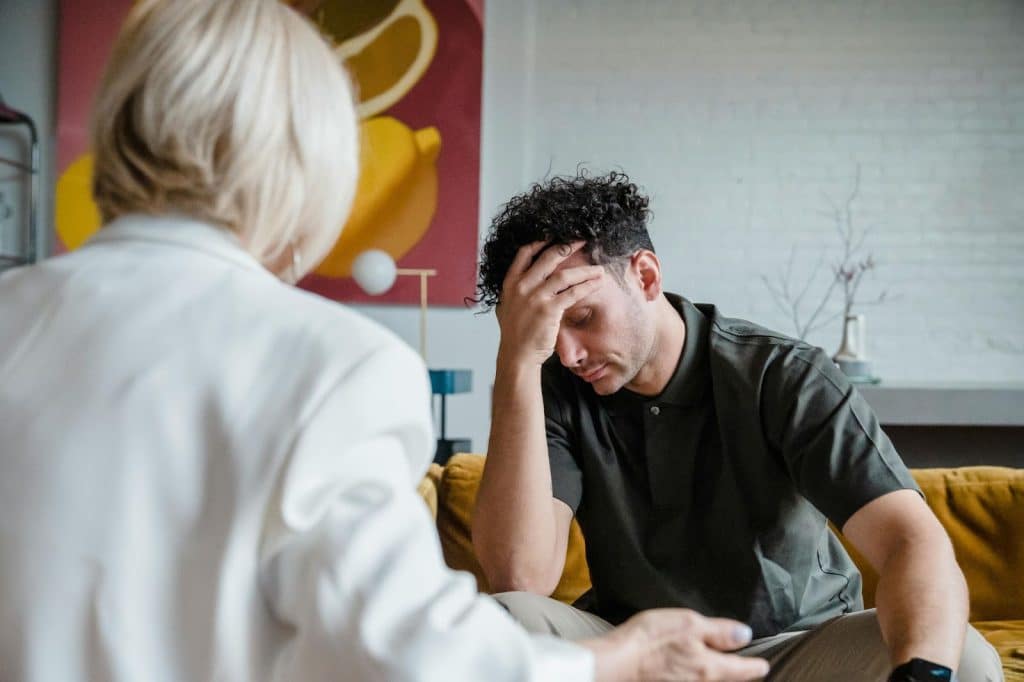
Being there for someone doesn’t mean becoming their emotional dumping ground. When your empathy is taken for granted, it shifts from love to labor. Balance means both people get to exhale, not just one.
When You Feel Grateful Just for Bare Minimum Effort

It’s one of the clearest red flags, when small gestures from them feel monumental because you’ve been starved for attention. Healthy love shouldn’t feel like winning a prize; it should feel like mutual effort, freely given.
When You’re Always the One Fixing Things

Conflict should lead to understanding, not surrender. But when one partner is always the peacemaker, the one apologizing, soothing, or compromising, resentment grows. Peace at the cost of self-respect isn’t love; it’s imbalance disguised as harmony.
When Your Needs Start Feeling Like Burdens

Everyone deserves to be met halfway. When expressing your needs feels like “asking too much,” it’s a quiet sign the relationship has tipped. Love should never make you feel like a problem to solve.
When You’re Fighting Alone for Connection

Love can’t survive on effort from one side. When one person keeps trying to fix, spark, or save things while the other seems indifferent, emotional fatigue sets in. Love isn’t built on persistence, it’s built on partnership.
When You Start Justifying Their Lack of Effort

The mind gets creative when protecting the heart. “They’re busy,” “They’re tired,” “They’re just not expressive.” Excuses become armor for the pain of neglect. But when you keep rationalizing imbalance, you begin erasing your own worth.
When Compliments Stop Feeling Genuine
A healthy relationship thrives on reassurance that feels real, not routine. When compliments sound rehearsed or rare, it’s not about vanity, it’s about feeling emotionally invisible. Love fades when affirmation feels like obligation.
When You Feel More Lonely Together Than Alone

This is one of love’s most painful contradictions, being beside someone and still feeling unseen. It’s not the absence of company that hurts, but the absence of connection. Loneliness doesn’t come from being single; it comes from being half-loved.
When Old Patterns Sneak In
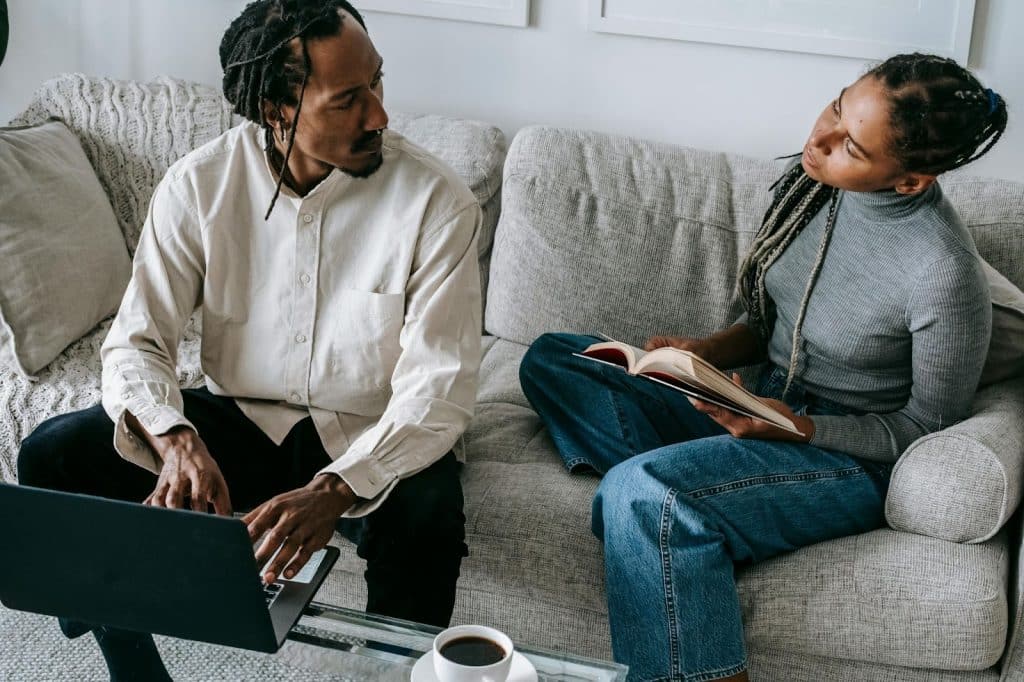
Some people learned early that love means overgiving, fixing, pleasing, accommodating. Without noticing, they recreate that pattern as adults. What feels like devotion might actually be fear of abandonment.
When Communication Styles Clash

Sometimes imbalance isn’t emotional neglect but a mismatch. One partner expresses love through words and affection, while the other shows it through action or silence. When styles collide, both can feel unappreciated even when care exists.
When One Person’s Independence Feels Like Detachment

Independence is healthy, but emotional distance isn’t. When one partner prides themselves on “not needing anyone,” it can leave the other feeling unwanted. Love should enhance freedom, not replace connection with isolation.
When You Love Their Potential, Not Their Presence

Falling for who someone could be often blinds us to who they are. When love depends on imagined growth rather than reality, it feels one-sided because you’re loving a version they haven’t yet become.
When You Finally Admit It Feels Unequal
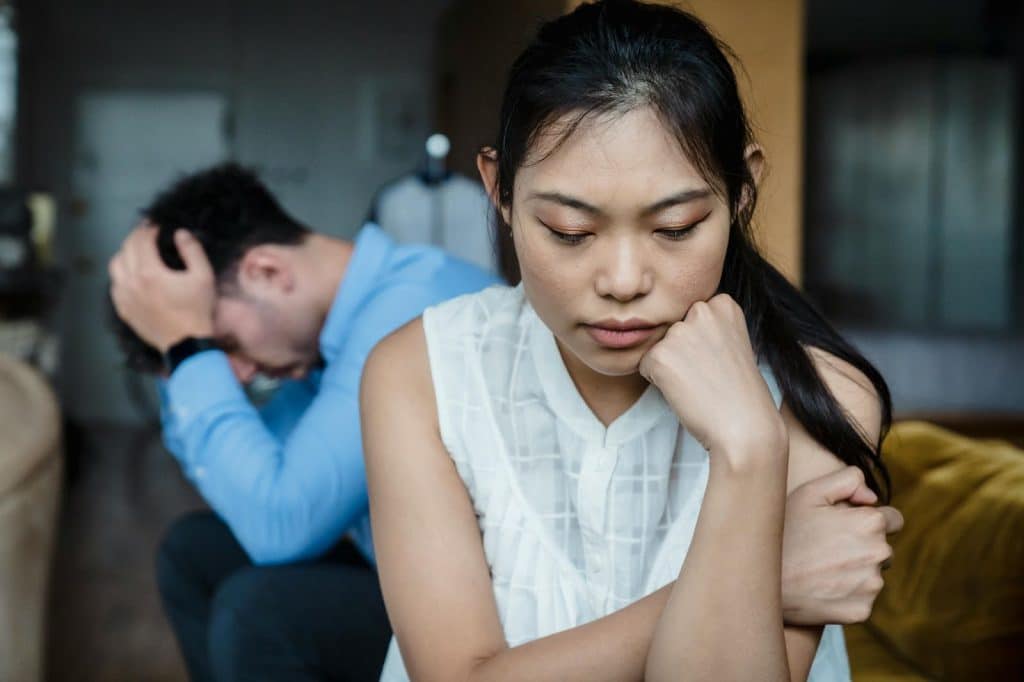
Acknowledging imbalance isn’t failure, it’s clarity. When one person feels unheard or unseen, pretending everything is fine only deepens the divide. Honest reflection can be the first step to either rebuilding or releasing with peace.
When You Remember That Love Requires Two
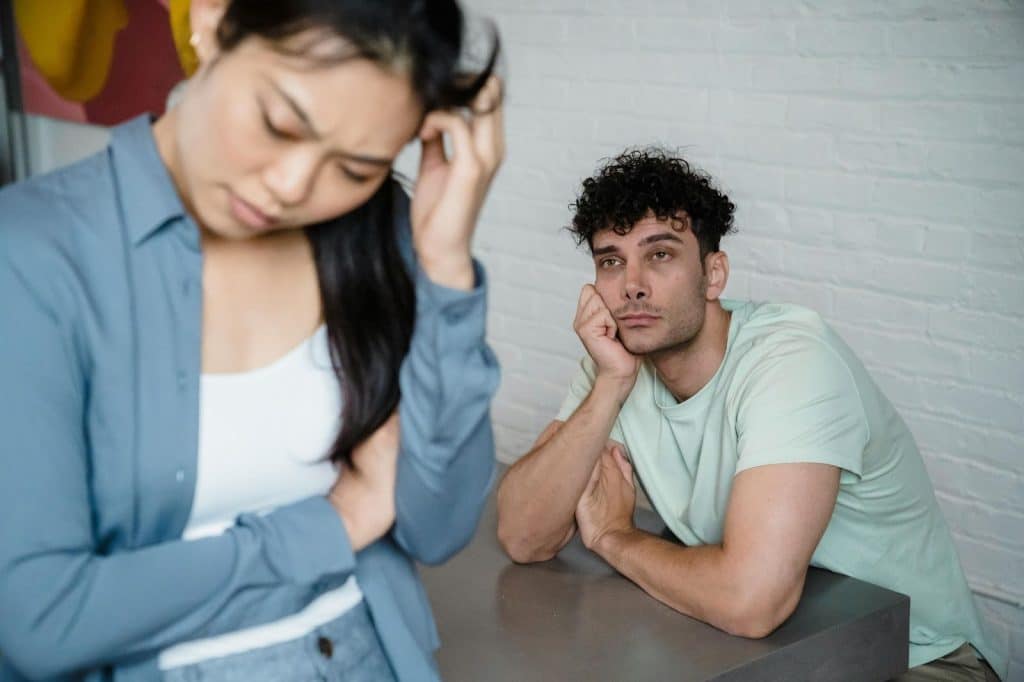
Love can’t be carried alone, not forever. It takes two people willing to show up with openness, consistency, and care. One-sided love may begin quietly, but it always ends the same way: with one person tired of giving what they never receive.
Finding Balance Again

Love isn’t meant to feel like chasing, convincing, or waiting. It’s meant to feel like meeting in the middle, both choosing, both trying, both present. When it starts to feel one-sided, it’s not a cue to give more; it’s a sign to pause and reflect. The right love doesn’t drain you, it meets you, sees you, and moves with you.








Ask Me Anything