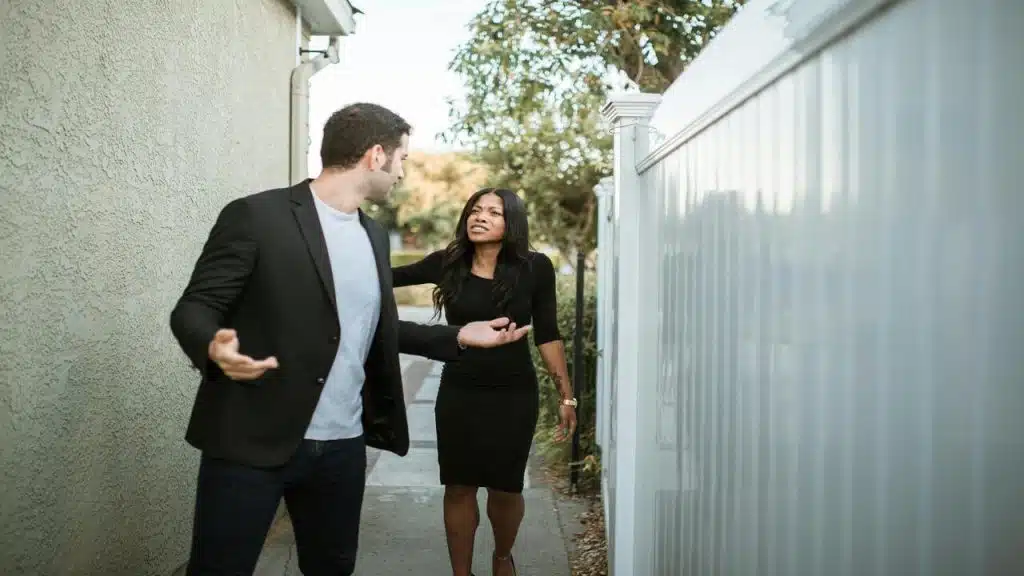
Marriage is supposed to be a place where both partners feel safe, valued, and supported. But the truth is, words carry a weight that can either build up or slowly tear down a man’s confidence over time. Many men won’t admit when something said at home cuts them deeply–they’ll often swallow the hurt, retreat inward, or distract themselves. The result? A growing distance in the relationship.
The surprising thing is, it’s not always the big fights or obvious insults that damage a man’s self-esteem. Often, it’s small, repeated phrases that make him feel unworthy, inadequate, or like he’s failing in the eyes of the woman he loves most. Men thrive when they feel respected, and certain words chip away at that respect without women even realizing it.
Here are 18 common things women say in marriage that can quietly, but powerfully, crush a man’s confidence–and what to do differently if you want to strengthen, not weaken, the bond.
1. “You never do anything right.”

This sweeping statement feels like a judgment on his entire worth, not just his actions. Even if it’s said in a moment of frustration, it lands like a verdict that he’s incompetent in every area. Over time, men start to believe they can’t win no matter what they do. Instead of blanket criticism, focus on specifics–point out the action that upset you without tearing down the person. For example, “I wish you’d handled this differently” leaves room for improvement, not defeat.
2. “Why can’t you be more like [someone else]?”

Comparisons to other men–whether a friend, coworker, or even a fictional character–instantly erode a man’s sense of being enough for his wife. Men don’t just hear the words; they interpret them as “You’re not what I want.” If you find yourself tempted to compare, pause and ask what quality you’re actually craving. Then express that in a positive way: “I’d love it if we could…” rather than measuring him against someone he’ll never be.
3. “You’re just like your father.”

This one cuts especially deep if it’s tied to a negative stereotype. Many men spend their lives trying not to repeat the mistakes of their fathers, and hearing this phrase feels like a declaration that they’ve failed. It’s a shortcut way of dismissing his individuality and reducing him to a family flaw. Instead, be clear about the actual behavior you don’t like and separate it from identity. It’s fair to point out a bad habit, but don’t equate it with his whole character.
4. “I shouldn’t have to tell you.”

While it may seem obvious to you, men can’t read minds, and many feel defeated when told this. It makes them feel like they’re already behind before they even have a chance to try. Saying this regularly communicates that their effort will never be enough. A healthier approach is to communicate needs directly and then acknowledge when he gets it right–it builds trust and makes him want to keep stepping up.
5. “You’re so lazy.”

Labeling him lazy dismisses every bit of effort he actually puts in. Even if he falls short in one area, this kind of name-calling makes him feel like his entire work ethic is under attack. Men, like women, want to feel like their contributions are valued. Instead of attaching a harsh label, highlight what you’d appreciate more of: “It would mean a lot if you helped with…” keeps the door open without slamming down his self-worth.
6. “We’d be better off if you made more money.”

Few comments sting more than questioning a man’s ability to provide. Even if said in frustration about bills or stress, it can make him feel like a failure at one of the roles he instinctively values. Financial struggles are heavy enough without turning them into personal attacks. A better route is framing finances as a team issue: “How can we work together to ease the stress?” That invites solutions instead of shame.
7. “You’re not good enough in bed.”

Intimacy is deeply tied to a man’s confidence, and dismissive remarks about performance can leave lasting scars. Many men already worry privately about this area, so blunt criticisms only magnify insecurity. Instead of tearing him down, focus on guiding positively–share what you like, encourage exploration, and celebrate effort. Building intimacy is about teamwork, not scorekeeping.
8. “You never listen.”

When men hear this, it feels less like feedback and more like a hopeless declaration that they’re incapable of caring. While they may miss cues sometimes, blanket statements like this imply they’re willfully ignoring their partner. Rather than accusing, try being specific: “I felt unheard when I mentioned this” creates an opening for him to do better without branding him permanently as inattentive.
9. “You’re embarrassing me.”

Whether said in public or behind closed doors, this hits hard because it suggests he’s not worthy of your pride. Men want to feel like their wives stand with them, not against them. Even a careless remark in front of others can linger long after. If something truly bothers you, address it later in private with kindness–correcting or shaming him publicly only damages trust and dignity.
10. “You’re too sensitive.”

When men open up emotionally, being told they’re “too sensitive” teaches them that vulnerability isn’t welcome. It pressures them to shut down and put walls back up. This not only hurts confidence but also blocks deeper intimacy in the relationship. If his feelings surprise you, practice validation: “I didn’t realize that mattered so much to you–thanks for telling me.” That builds safety, not shame.
11. “I regret marrying you.”

Few words can devastate a man’s sense of security more than this. Even if said in a heated argument, it plants doubt about whether love is still real. Regret statements linger like ghosts in the marriage, making men feel replaceable. If you’re truly struggling, focus on expressing your needs instead of framing the whole marriage as a mistake. Rebuilding starts with “I want us to work on this” instead of words that undo years of commitment.
12. “You’re not a real man.”

This line goes straight to the heart of identity. It’s not just insulting–it questions his masculinity and dignity. Men interpret it as being stripped of their worth, especially by the one person whose respect matters most. Rather than tearing down with vague definitions of “manhood,” encourage the traits you value. Say, “I feel so cared for when you…” to reinforce the qualities that strengthen the bond.
13. “Why are you so stupid?”

Insults about intelligence hit harder than many women realize. Even if said sarcastically, they linger as proof that you don’t see him as capable. Over time, he’ll stop volunteering ideas or stepping forward because he expects ridicule. A better way is to express frustration without attacking character–focus on the decision or action, not his brainpower. Encouragement builds confidence; belittling kills it.
14. “I don’t need you.”

Independence is important, but dismissing a man’s role in your life altogether makes him feel irrelevant. Men want to believe their presence matters and that their efforts count. While you may not need him to survive, showing that you value his support strengthens the marriage. Swap “I don’t need you” for “I appreciate having you” and watch the shift in how connected he feels.
15. “You never help me.”

This one is tricky because it often comes out during overwhelm, but it paints the picture that he’s useless as a partner. Men may do things differently or less visibly, but saying “never” erases all the contributions they actually make. A more constructive approach is, “I’d love your help with this specific thing.” Specific requests feel doable and affirm his ability to show up for you.
16. “You’re just like a child.”

Comparing a man to a child may seem like a way to express frustration, but it strips him of dignity and agency. Over time, being treated like a boy instead of a partner leads to resentment and withdrawal. If immaturity bothers you, target the behavior, not the identity. Saying, “This feels irresponsible” is direct but doesn’t belittle his role as an adult partner.
17. “I wish I had married someone else.”

This one is a dagger to the heart. It tells him he’s not enough and never was. Even if said in anger, it communicates that love and commitment were a mistake, and those words can’t easily be forgotten. If you’re feeling trapped or dissatisfied, frame it as a need for change: “I want us to be closer” is honest without undoing the foundation of the marriage. Words spoken in pain can’t be unsaid–choose them carefully.
18. “You’ll never change.”

Telling a man he’ll never change makes him feel like growth is pointless. It paints him as permanently flawed and incapable of improvement, which kills motivation. Everyone craves the belief that they can evolve and be better for the people they love. If you’re frustrated, shift from hopelessness to possibility: “I’d love to see us work on this together.” That belief in potential can spark real transformation.








Ask Me Anything