
Even the best marriages go through seasons of tension. Stress, unmet expectations, or simple miscommunication can create distance where there used to be closeness. But here’s the good news: fixing a tense marriage doesn’t always require massive changes or therapy marathons. More often than not, it’s the small, intentional shifts that slowly rebuild trust, respect, and affection. When you stop fighting for “who’s right” and start focusing on “what’s healthy,” you set the tone for a relationship that feels safer, stronger, and more connected.
If your marriage feels stuck in frustration, don’t assume it’s beyond repair. Sometimes it’s as simple as replacing old patterns with healthier ones–choosing words more carefully, shifting how you listen, or making small but consistent efforts toward kindness. Below are 18 little shifts that can quietly transform a tense marriage into one that thrives.
1. Start with Listening Instead of Reacting

One of the quickest ways to diffuse tension is to genuinely listen without planning your defense while your spouse is speaking. Often, arguments spiral because both partners are more focused on proving a point than hearing each other out. Try repeating back what you heard before responding–it shows you care about understanding, not just winning. Over time, this shift lowers defenses and builds trust. Listening with curiosity rather than assumption can change the entire tone of your marriage.
2. Replace Sarcasm with Straightforward Honesty

Sarcasm may seem harmless, but it often masks resentment and chips away at emotional safety. Instead of slipping in sharp comments or jokes with hidden barbs, practice being direct yet kind about what you actually mean. It’s harder in the moment but far more productive. When your spouse doesn’t have to decode your tone, they’re less likely to get defensive and more likely to respond positively. Clear words create a clearer connection.
3. Trade “Always” and “Never” for Specific Examples

Phrases like “you always do this” or “you never care” are like gasoline on an already tense fire. They put your spouse on the defensive instantly. Instead, bring up specific examples of behavior and explain how it made you feel. For instance, “When you came home late without letting me know, I felt dismissed.” Specificity avoids exaggeration and opens the door to solving the problem instead of escalating the fight.
4. Express Gratitude for Small Things Daily

A tense marriage often lacks appreciation because partners become hyper-focused on what’s wrong. Breaking this cycle with small, consistent gratitude is powerful. Notice and acknowledge even the tiniest contributions–washing dishes, handling the bills, or putting the kids to bed. Verbalizing thanks shifts the atmosphere from criticism to recognition, reminding both of you that you’re still teammates. Gratitude is fuel that keeps love running even on hard days.
5. Make Eye Contact When Speaking

It sounds simple, but eye contact creates presence. In a marriage where conversations feel tense or rushed, looking directly at your spouse when you talk shows that you’re fully there. Put down your phone, turn away from the TV, and engage face-to-face. This small habit signals respect and commitment. When your spouse feels seen, even during disagreements, they’re more likely to soften and meet you halfway.
6. Use a Softer Start to Hard Conversations

Arguments usually go off track in the first two minutes. If you start harsh–accusations, raised voice, or blame–your spouse immediately goes into defense mode. Instead, try leading with curiosity or vulnerability: “I’d like to talk about something that’s been bothering me–can we sit down for a minute?” A soft start sets a calmer tone and drastically increases the chance of a productive outcome.
7. Schedule Check-Ins Instead of Explosive Outbursts

Many tense marriages operate on a cycle of buildup and blow-up. Breaking that pattern means creating a rhythm of regular, calm check-ins. Set aside 20 minutes once a week to ask each other, “How are we doing?” or “What’s been hard for you lately?” This prevents little frustrations from festering into big fights. It also shows you’re both invested in working on the relationship, not just putting out fires when things get bad.
8. Shift from Criticism to Requests

Criticism sounds like an attack: “You’re so lazy,” “You never help.” Requests, on the other hand, are specific, respectful, and solution-oriented: “Could you help me with the dishes tonight?” or “I’d really appreciate if we could go for a walk together after dinner.” A request respects your spouse’s agency while still addressing your need. This small adjustment can dramatically change how often arguments spark and how quickly they resolve.
9. Choose Touch Over Tension

Physical touch has the power to cut through even the thickest emotional walls. A hand on the shoulder, a hug, or sitting close during a heated moment can soften conflict. When tension rises, instead of pulling away, make an effort to bridge the gap with physical reassurance. Even brief touches can regulate emotions and remind both of you that you’re partners, not opponents.
10. Focus on Repair, Not Revenge

Tense marriages often get stuck in cycles of “getting even.” One spouse forgets something, so the other withdraws affection. One makes a mistake, so the other delivers the silent treatment. Shifting your mindset to repair instead of revenge is huge. Ask, “How can we get back on track?” instead of “How do I make them pay for this?” Repair strategies–like apologizing, offering reassurance, or suggesting a reset–strengthen the relationship instead of tearing it down further.
11. Lower the Volume Instead of Raising It
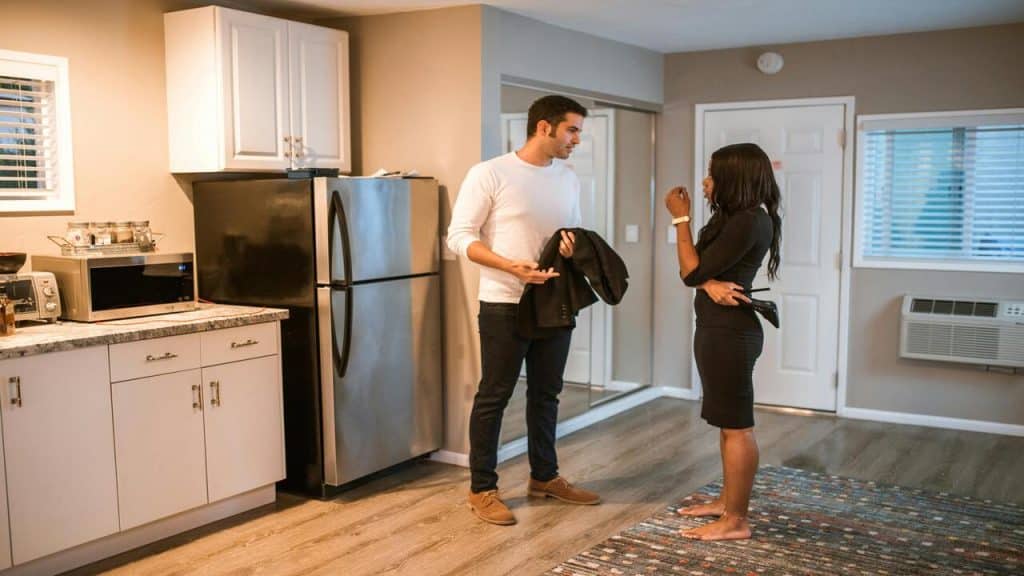
Shouting rarely leads to solutions. In fact, it often pushes your partner further away. A surprising but effective shift is intentionally lowering your voice when tension rises. Speaking softer forces both of you to lean in rather than escalate. It also models emotional control and signals that you care more about resolution than domination. Over time, this habit rewires the atmosphere from combative to collaborative.
12. Reframe “Me vs. You” Into “Us vs. The Problem”
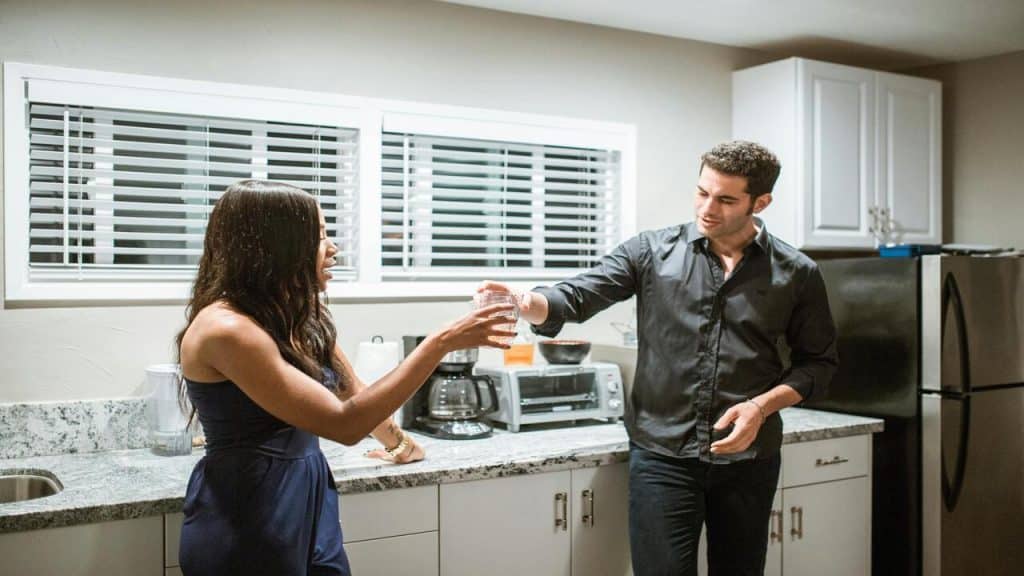
One of the most destructive patterns in tense marriages is treating your spouse as the enemy. But shifting the perspective to “we’re on the same team facing this issue together” can change everything. For example, instead of “you’re so bad with money,” try “how can we manage our budget better together?” This mindset shift builds unity and transforms a conflict into a shared challenge to overcome.
13. Build Micro-Moments of Fun

Tense marriages often lack levity. Fun doesn’t have to mean vacations or big date nights–it’s often the micro-moments that count. Share an inside joke, playfully tease each other, or do something silly together like dancing in the kitchen. These lighthearted moments create emotional buffer zones. When laughter returns to your marriage, tension has less room to grow.
14. Stop Keeping Score

Nothing drains a marriage faster than treating it like a tally sheet–who did the dishes last, who paid last time, who apologized first. Keeping score creates resentment instead of teamwork. The healthier approach is focusing on generosity without expecting immediate payback. When both spouses adopt this mindset, the balance naturally evens out. Choosing to give without tracking points builds a marriage based on trust, not transaction.
15. Say What You Do Want, Not Just What You Don’t

Tense communication often sounds like a list of don’ts: “Don’t interrupt me,” “Don’t ignore me.” While boundaries are important, clarity about what you do want is more effective. Try “I’d love it if you’d let me finish before responding” or “I’d feel closer if we could spend 10 minutes together before bed.” Positive direction motivates change far better than constant prohibition.
16. Share the Load Without Being Asked

When one partner feels they’re carrying the bulk of responsibility, tension builds fast. A small but powerful shift is proactively helping without waiting to be asked. Notice the overflowing trash and take it out. Fold laundry when you see it. Anticipating each other’s needs communicates love in action. It shows you’re invested in the partnership, not just your own comfort.
17. End the Day with Connection, Not Conflict

How you end your day sets the tone for your marriage long-term. Instead of going to bed angry or scrolling separately on your phones, create a nightly ritual of connection. This could be as simple as holding hands in silence, sharing one thing you appreciated about the other, or praying together if that’s part of your practice. Ending with peace–even after a hard day–helps reset the relationship and reduces lingering tension.
18. Keep Choosing Each Other Daily

At its core, marriage isn’t about one big romantic gesture every once in a while–it’s about the daily choice to stay committed, compassionate, and kind. Even when you’re frustrated. Even when you don’t feel like it. Every day you choose your spouse through small actions, you reinforce the foundation of your marriage. Strong marriages aren’t perfect; they’re simply built on the consistent decision to keep showing up for each other.








Ask Me Anything