
Many people believe that being in a relationship automatically means they’re moving forward in love. But sometimes, what feels like stability is actually settling for less than what’s possible. Growth in love means evolving together, supporting one another’s ambitions, and creating a future built on mutual respect. When that growth stops, the relationship can start to feel heavy rather than inspiring. Here are 18 signs that reveal the difference between settling and truly growing in love.
You Stop Dreaming About the Future Together

Couples who grow together naturally build dreams side by side. If those conversations fade or feel absent, it’s a sign of stagnation. Settling shows up when the future no longer feels like a shared vision. Instead of planning, partners simply exist in the present. Love without dreams often loses momentum.
Conflicts Go Unresolved Because Silence Feels Easier

Healthy relationships require working through disagreements. Settling happens when silence replaces resolution. Avoiding conflict may feel peaceful in the moment, but unresolved issues linger beneath the surface. Over time, unspoken tension builds distance. Growth comes from solving problems, not ignoring them.
Conversations Feel Shallow or Repetitive

Deep conversations help keep intimacy alive. If most discussions revolve around routines or small talk, it may feel like connection is fading. Settling shows when curiosity about one another is lost. Without depth, relationships risk becoming stagnant. Growth thrives in meaningful dialogue, not repetition.
You Feel More Drained Than Energized After Time Together

Relationships should add value, not feel like a constant weight. If spending time together leaves one feeling exhausted rather than uplifted, it’s a warning sign. Settling often comes with energy that feels heavy instead of motivating. Love should provide comfort, but also energy and encouragement. Growth fuels, while settling depletes.
Growth as Individuals Is Discouraged Instead of Supported

In strong relationships, personal ambitions are celebrated. Settling happens when individuality is stifled rather than supported. If one partner discourages growth, the relationship becomes limiting. True love inspires both people to evolve. Growth should be shared, not suppressed.
Your Ambitions Feel Minimized or Ignored

A relationship should amplify dreams, not reduce them. When goals are dismissed or minimized, it signals a lack of encouragement. Settling looks like shrinking ambitions to avoid conflict or criticism. In healthy love, dreams are supported and valued. Growth means both people succeed, together and individually.
Differences Feel Like Obstacles Instead of Opportunities

Differences can bring balance and diversity to a relationship. But when they are viewed as constant problems, it points to settling. Growth means embracing variety and learning from it. Settling reduces differences to incompatibilities rather than possibilities. Love thrives when differences are respected, not resented.
You Stop Celebrating Small Wins Together

Celebrating milestones, even small ones, strengthens connection. When victories go unnoticed, the relationship risks becoming transactional. Settling strips joy from everyday progress. Recognition and celebration are fuel for shared growth. Without them, love starts to feel flat.
You Constantly Rationalize Why the Relationship “Works”

If constant justification is needed, it may be a sign of settling. True love feels naturally fulfilling rather than needing endless explanation. Rationalization often covers up discomfort or dissatisfaction. Growth doesn’t require constant defense, it speaks for itself. Settling always comes with excuses.
You Avoid Addressing Major Incompatibilities

Every relationship has differences, but ignoring fundamental issues is dangerous. Settling shows up when these red flags are brushed aside. Pretending problems don’t exist doesn’t make them disappear. Growth requires honesty and confrontation, even when it’s difficult. Incompatibilities unaddressed can slowly erode love.
Respect Slowly Fades Without Acknowledgment

Respect is a cornerstone of love, and when it disappears, the bond weakens. Settling allows small slights or dismissive behaviors to go unchecked. Over time, admiration fades, leaving only tolerance. Growth means reinforcing respect every day. Without it, love struggles to survive.
Physical Closeness Feels Like Routine Instead of Intimacy

Intimacy isn’t just about proximity, it’s about connection. When closeness becomes mechanical, the spark of love dulls. Settling reduces physical affection to habit, not passion. Growth keeps intimacy alive through intention and care. Without it, relationships risk becoming lifeless.
Comfort Outweighs Curiosity in the Relationship

Comfort provides security, but too much comfort without curiosity can feel stagnant. Growth thrives on learning, exploring, and evolving. Settling hides behind comfort zones, avoiding change. Love should feel both safe and exciting. Without curiosity, relationships stop growing.
You Stay Mostly to Avoid Being Single

Fear of loneliness often traps people in stagnant relationships. Settling occurs when staying feels easier than facing independence. Growth means choosing love for its value, not out of fear. Being single can sometimes be healthier than staying where growth is absent. Love should be a choice, not an escape.
Trust Feels Fragile, Even Without Betrayal

Even without obvious betrayal, fragile trust signals a lack of security. Settling happens when doubts persist and are never addressed. Growth builds trust through openness and consistency. A relationship without strong trust feels shaky, no matter the intentions. Loyalty must feel certain, not conditional.
The Thought of Leaving Scares You More Than Staying Excites You

When fear outweighs love, settling has taken hold. Staying should come from joy, not fear of alternatives. Growth inspires excitement about the future together. Settling clings to what is safe, even if it feels unfulfilling. A healthy relationship excites more than it intimidates.
You’ve Accepted Unhappiness as “Normal”

A quiet but telling sign of settling is treating unhappiness as inevitable. While no relationship is perfect, constant dissatisfaction isn’t healthy. Growth embraces challenges as opportunities, not as permanent conditions. Settling convinces people that “this is just how it is.” Love shouldn’t feel like a lifelong compromise of joy.
Love Feels Like Endurance Instead of Choice
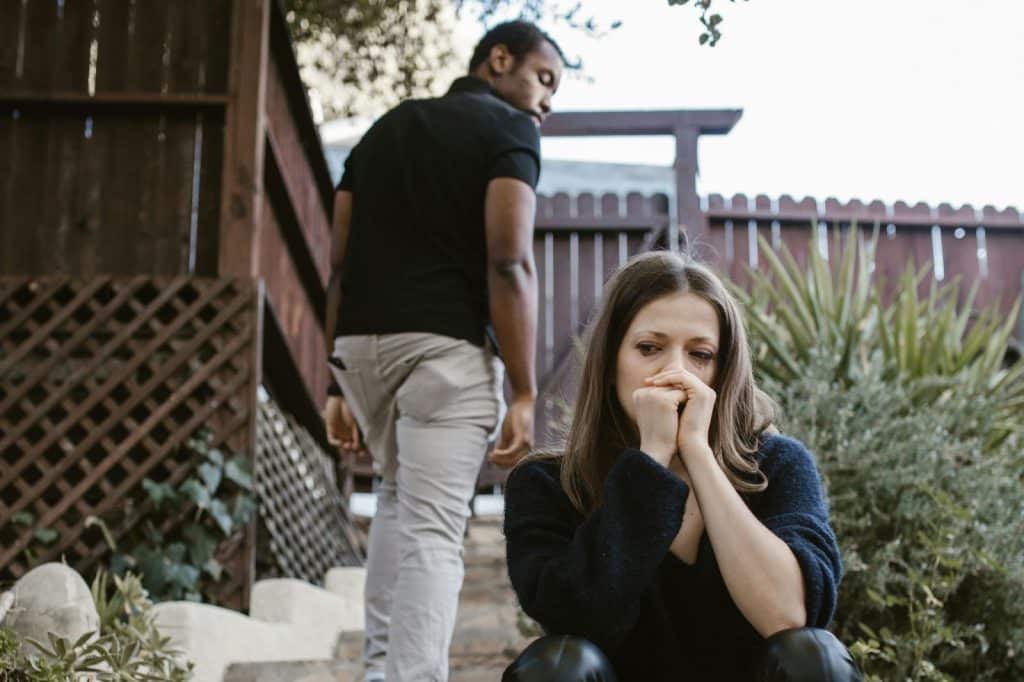
Endurance may sound noble, but it isn’t the same as love. When staying feels like survival rather than choice, settling is present. Growth is fueled by daily desire, not obligation. A healthy relationship is chosen willingly, not endured reluctantly. Love should inspire, not feel like a burden.
Conclusion
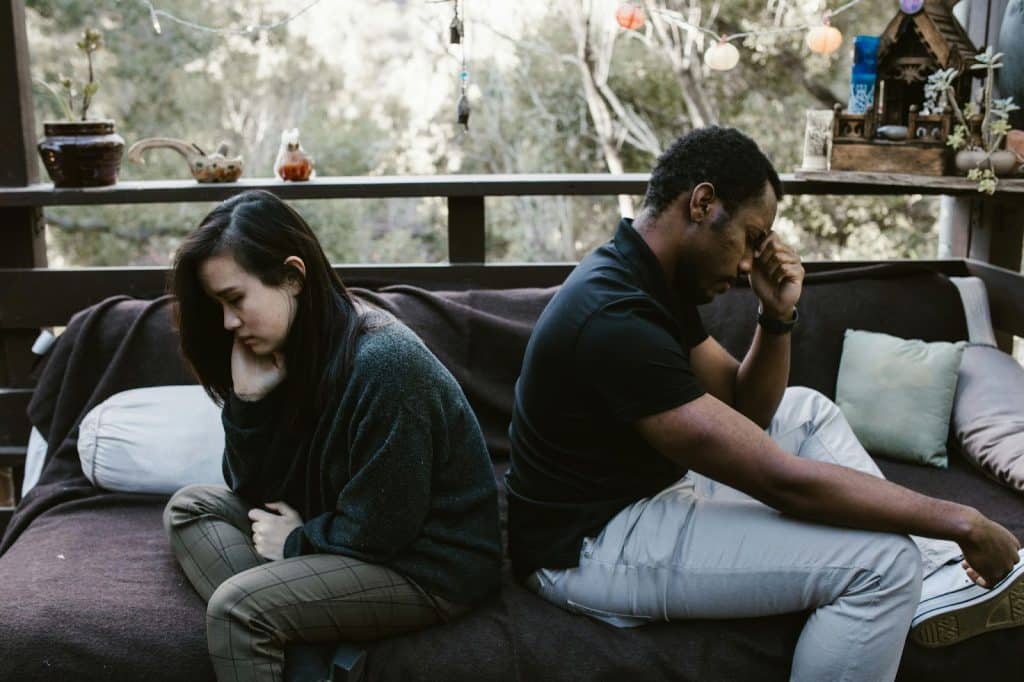
Settling in love often disguises itself as stability, but true growth brings energy, fulfillment, and a shared vision for the future. These 18 signs highlight when a relationship has stopped evolving and started stagnating. Recognizing them doesn’t always mean the end, it can also be the beginning of honest conversations and renewed effort. Love flourishes when both partners commit to growth, not just survival. Settling holds people back, but growth creates the foundation for lasting happiness.








Ask Me Anything