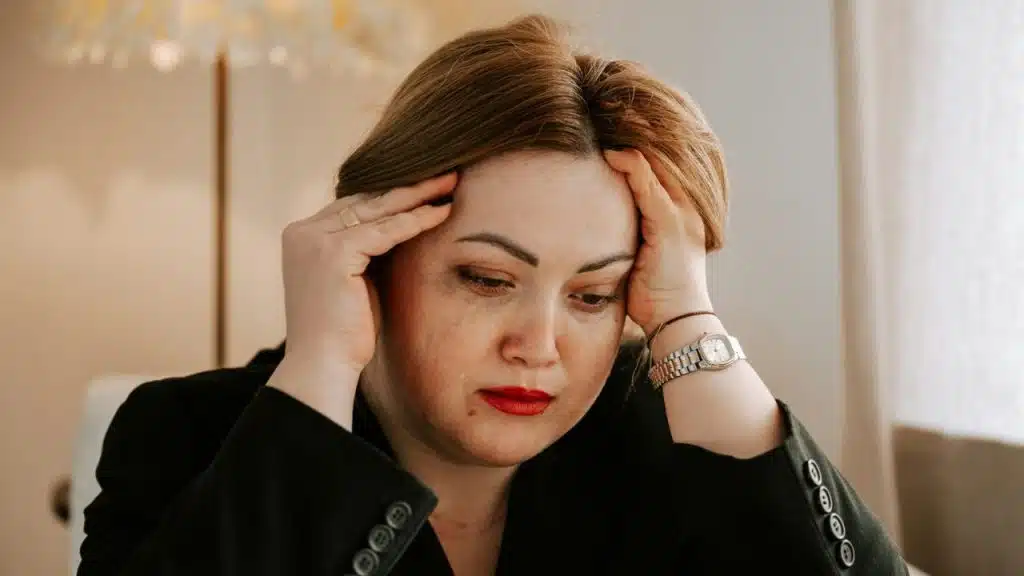
Marriage can start strong but slowly drift into a place that feels heavy and confusing. Many women in unhappy marriages carry silent thoughts that their husbands never hear, yet those thoughts shape how they act and respond at home. If you are a man in a struggling marriage, understanding these private worries can help you approach her with empathy instead of defensiveness. This is not about blame but about seeing the real emotional landscape she walks through daily. Once you understand it, you can make clearer decisions about how to show up, rebuild trust, or face hard truths together.
“Is This How Marriage Is Supposed To Feel?”

Many women compare their current experience to what they believed marriage would be. They replay images of closeness, shared jokes, or effortless teamwork and notice how far reality feels from that picture. This can leave her questioning if their situation is normal or a sign of deeper trouble. Acknowledging her disillusionment, even privately, can help her decide whether to speak up or stay silent.
“Am I Still Loved?”

This question lives under almost every interaction when a woman feels distance from her husband. She notices small changes, like fewer affectionate gestures or neutral tones in conversations, and wonders if they reflect a bigger shift inside him. That doubt can turn even routine days into constant second-guessing. When you recognize this, you can respond with clear reassurance through consistent words and actions, not vague promises.
“Why Doesn’t He Notice?”

Feeling invisible is one of the most common frustrations for women in unhappy marriages. They may give subtle signals of sadness or frustration, but see no response. This lack of acknowledgment can feel like rejection, even if it is not intentional. Learning to pick up on cues, even small ones, can reduce the sense of being overlooked.
“Am I The Problem?”

Even when the issues are complex, many women turn inward and blame themselves. They question their reactions, their patience, or whether they have become too critical. This self-doubt can quietly erode their confidence and energy. Recognizing this pattern can help you approach conversations with reassurance rather than defensiveness.
“Should I Speak Up Or Stay Quiet?”

In troubled marriages, women often weigh the cost of raising issues against the peace of keeping silent. They know certain topics can spark conflict or dismissive reactions, so they calculate whether the outcome is worth the risk. This mental balancing act can leave them feeling trapped. Understanding this can help you create an environment where honest talk does not feel like walking on glass.
“How Did We Get Here?”

When a marriage feels off track, women may replay their history together like a movie. They look for the moment things shifted, whether it was after a child was born, a job change, or years of small disappointments. This search for answers is not always about blaming but about making sense of the present. Recognizing that she is trying to understand the story can open space for an honest timeline together.
“Can We Fix This?”

Even when she feels worn down, many women wonder if change is still possible. They think about counseling, setting boundaries, or trying new habits, but doubt if their partner will follow through. This back and forth can create a quiet kind of exhaustion. If you show genuine interest in solutions, it can give her a reason to hope rather than assume nothing will shift.
“What’s This Doing To The Kids?”

For mothers, the emotional well-being of their children is a constant backdrop to marital problems. She might notice mood changes in the kids or worry about them copying unhealthy patterns. This worry can feel heavier than her own pain. Seeing that concern and addressing family stability directly can ease some of her mental load.
“Do I Still Respect Him?”

Respect is as vital as love in long-term relationships, and women check in on their feelings about it regularly. If they sense resentment or disappointment replacing admiration, it becomes a quiet warning sign. This realization can alter how she speaks, listens, and invests in the partnership. Being aware of her shifting respect gives you a chance to show integrity and reliability.
“What Would Life Be Like Alone?”

Women sometimes imagine life after divorce not because they want it, but to test their sense of possibility. They picture new routines, independence, or relief from conflict and weigh it against staying. These thoughts can bring both guilt and clarity. Knowing she has these visions can be uncomfortable, but it shows how serious her internal struggle has become.
“Have I Changed Or Has He?”

When dissatisfaction grows, women often question whether the change is in themselves, their partner, or both. They review personal growth, new values, or different goals that might be creating distance. This self-audit can make them feel unsure about their own identity. Recognizing her introspection can help you talk about how each of you has evolved instead of pointing fingers.
“Am I Attractive To Him Anymore?”

Physical connection carries a lot of meaning, and when it fades, women wonder what it signals. She may question whether he still desires her or simply goes through motions. This can shake her confidence and feed deeper insecurities. Addressing this requires more than compliments; it needs consistent attention and authentic interest.
“Who Can I Confide In?”

Women in troubled marriages often debate whether to share their pain with friends or family. They fear judgment, gossip, or adding stress to loved ones. This leaves them carrying heavy emotions alone. Being aware of her isolation can remind you to encourage healthy support systems, not shut them down.
“Does He Care About My Needs?”

Beyond emotional closeness, women think about whether their practical and physical needs matter. When repeated requests go unanswered, they can feel dismissed. This extends beyond chores to emotional presence, affection, and respect. Addressing her needs openly can stop the quiet scorekeeping that strains the connection.
“Do We Have Anything In Common Left?”

Shared interests often shrink under the weight of responsibilities and stress. Women in unhappy marriages notice when date nights, hobbies, or even casual talks disappear. This loss can make the relationship feel like cohabitation instead of a partnership. Finding small ways to reconnect over common ground can counter that drift.
“What If I Stay And Nothing Changes?”

This thought carries fear about wasting years in the same painful cycle. Women picture themselves older, still feeling unheard, and wonder if they will regret not acting sooner. It creates a sense of urgency mixed with sadness. Understanding this fear can motivate honest conversations about timelines and real change.
“What Would Make Me Feel Hopeful Again?”

Even in the hardest seasons, many women hold onto a picture of what improvement could look like. They think about gestures, efforts, or changes that would restore trust and connection. These thoughts can keep them trying a little longer. Learning what hope looks like for her gives you a roadmap to rebuild instead of guessing in the dark.








Ask Me Anything