
Technology is everywhere–on our nightstands, in our pockets, and often in our hands during the very moments that should belong to our partner. While devices make life more convenient, they also create subtle but powerful rifts in relationships. You may not realize it, but the way you use your phone, tablet, or laptop can erode trust, intimacy, and the feeling of being truly seen in your marriage. The problem isn’t just about screen time; it’s about what your device habits communicate: distraction, avoidance, or misplaced priorities.
If you’ve ever caught yourself scrolling while your partner talks or checking emails instead of cuddling, you know how small actions pile up into bigger issues. These aren’t grand betrayals, but micro-moments that chip away at connection. Below are 18 discreet yet damaging ways your devices could be undermining your marriage–and what you can do differently to protect your bond.
1. Checking Your Phone During Conversations

It might feel harmless to glance at a notification while your partner is talking, but it communicates that they’re competing with your device for attention. Over time, this erodes intimacy because conversations no longer feel safe or prioritized. A simple fix is to establish tech-free zones during meals or nightly check-ins. Put the phone face down, or better yet, out of reach. Showing that you can stay fully present during even short chats reassures your spouse that they come first.
2. Scrolling Before Bed Instead of Connecting

Late-night scrolling may seem like a harmless wind-down ritual, but it robs you both of prime intimacy time. The blue light affects your sleep, and your partner may feel like they’re competing with your feed instead of sharing pillow talk. Swap the screen for a shared bedtime ritual–reading together, exchanging gratitude, or even five minutes of talking about tomorrow’s plans. This shift doesn’t just improve sleep–it deepens the emotional closeness that comes right before drifting off.
3. Using Devices as an Escape from Conflict

When arguments flare, it’s tempting to retreat into a screen rather than face uncomfortable emotions. But pulling out a device mid-disagreement signals withdrawal instead of engagement. Over time, this avoidance breeds resentment. Instead, set ground rules: no phones during heated moments. If you need space, say so directly–“I need ten minutes to cool off”–instead of disappearing into a scrolling session. This shows respect for both your partner’s feelings and the conflict resolution process.
4. Letting Work Emails Intrude on Home Life

One of the quietest relationship killers is the steady creep of work into personal time via devices. Constantly checking emails or Slack pings sends the message that your career always outranks your marriage. Protect boundaries by setting “email cut-off” times in the evening or using separate work and personal devices. When you give your spouse uninterrupted attention after hours, they’ll feel valued instead of sidelined by your job.
5. Keeping Secrets Through Your Devices

Even small secrets–like deleting texts or hiding social media activity–create cracks in trust. While privacy is healthy, secrecy is not. If your partner notices guarded behavior around your device, it breeds suspicion. Be transparent instead: share your passcode if asked, avoid shady practices, and communicate openly about online interactions. Healthy marriages thrive when partners trust that devices are tools, not shields.
6. Using Social Media to Compare Your Relationship

Scrolling through “perfect couples” online can quietly poison your perspective of your own marriage. Constant comparison leads to dissatisfaction, even when your relationship is strong. Recognize that social media shows highlights, not reality. Instead of measuring your marriage against curated feeds, focus on building your own rituals of joy. Take photos for your memories, not just for likes. Comparison is the thief of joy, and your device can make it too easy to forget that.
7. Ignoring Your Partner in Favor of Games or Apps

When a device becomes your go-to source of entertainment, your partner may feel like a background character in your life. It’s not about the game itself but about choosing digital stimulation over shared experiences. Create balance by setting aside device-free couple time–whether that’s cooking, walking, or even watching a show together. Shared enjoyment strengthens bonds more than solo screen habits ever will.
8. Oversharing Your Relationship Online

It may feel natural to post about your marriage, but too much sharing can betray intimacy. Your partner may not appreciate seeing private moments turned into public content. Worse, it can turn genuine connection into performance. Instead, agree on what feels appropriate to share. Protecting some moments as “just ours” strengthens your bond and keeps your relationship sacred in a world that thrives on exposure.
9. Letting Notifications Interrupt Quality Time
Dings, buzzes, and vibrations fragment your focus. Even if you don’t pick up the phone, the mere sound of a notification disrupts presence. Turn off nonessential alerts during meals, date nights, or conversations. Better yet, experiment with “Do Not Disturb” or custom settings so that only urgent calls come through. Your spouse will notice the difference when time together feels truly uninterrupted.
10. Bringing Devices Into Arguments as Weapons

Pulling out past texts, receipts, or screenshots to “win” a fight can escalate conflict and destroy trust. Arguments should be about understanding, not ammunition. If you constantly weaponize devices, your partner may feel under surveillance rather than loved. Keep disagreements grounded in the present issue. When you resist the urge to dig through digital history, you show maturity and protect the emotional safety of your marriage.
11. Using Devices to Avoid Boredom Together

Boredom is a normal part of relationships–but many couples turn to devices to fill every lull. This habit slowly erodes the art of simply being together. Resist the impulse to scroll during quiet moments. Instead, embrace stillness–sit on the porch, enjoy coffee in silence, or go for a slow walk. Learning to be comfortably bored together deepens connection in ways devices never will.
12. Allowing Smart Home Tech to Replace Thoughtfulness
Relying on Alexa or reminders for everything–anniversaries, birthdays, or even “don’t forget the milk”–can unintentionally strip away the personal effort your partner craves. Thoughtfulness in marriage is about intentionality, not convenience. Balance the use of smart tools with personal touches: a handwritten note, an unprompted text, or remembering without being reminded. Devices should assist, not replace, genuine gestures of love.
13. Watching TV in Isolation Instead of Together

Streaming on separate devices in different rooms can create parallel lives under one roof. While it’s fine to have individual tastes, never let it become the default. Choose at least one show or movie to enjoy as a couple, making it a ritual. Shared entertainment creates inside jokes, discussion points, and a sense of “us” that scrolling alone can’t replicate.
14. Texting Instead of Talking Face-to-Face

Texting is convenient, but it shouldn’t replace in-person conversations–especially about serious topics. Tone often gets lost, leading to misunderstandings. Save important discussions for when you’re physically present. Even casual updates feel warmer when spoken aloud instead of typed. Face-to-face communication strengthens connection in ways digital shortcuts never can.
15. Using Devices to Avoid Physical Intimacy

When your partner reaches for you but you reach for your phone, the message is loud and clear: the device won. Over time, this diminishes desire and leaves your partner feeling rejected. Create tech-free moments that invite physical closeness, whether it’s cuddling on the couch or holding hands during a walk. Prioritizing touch over technology helps keep passion alive.
16. Letting Kids’ Devices Dominate Couple Time

Parenting often means managing children’s screen habits–but don’t let that distraction consume your marriage. If all your focus goes to monitoring devices, your partner may feel neglected. Set tech boundaries for the kids, then carve out device-free time for just the two of you. Modeling healthy habits as a couple also sets a strong example for the entire family.
17. Keeping Your Headphones On Around the House
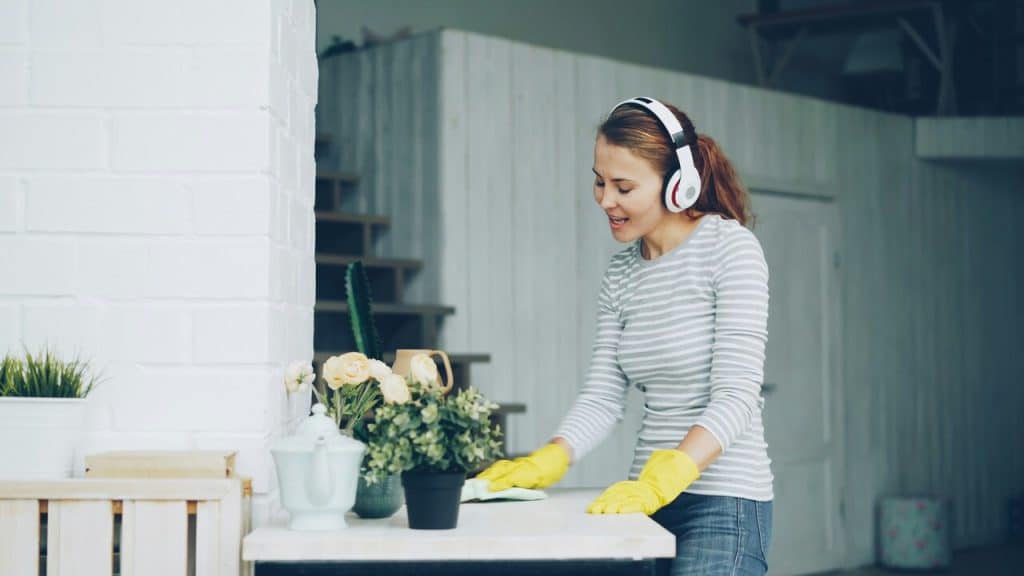
Wearing earbuds while cooking, cleaning, or lounging may seem like multitasking, but it blocks spontaneous connection. Your partner may hesitate to talk if you look perpetually “plugged in.” Instead, limit headphone use when you’re both home. Keep one ear open–literally–for conversation and presence. These small moments of connection add up more than you think.
18. Treating Devices as More Important Than Rituals

Every marriage thrives on rituals–morning coffee together, a nightly walk, Sunday dinners. Devices can erode these if you let screens invade those sacred spaces. Protect rituals by making them device-free sanctuaries. When you consistently choose connection over screens, you reinforce that your marriage is stronger than any notification or scroll.








Ask Me Anything