
Marriage thrives on balance, but sometimes unspoken power dynamics creep in. These dynamics aren’t always obvious, but over time, they shape how decisions are made and how each partner feels valued. Wives may not intend these behaviors as controlling, but many husbands have started calling them out as subtle “power plays.” Left unchecked, they can create frustration and distance in the relationship. Recognizing these patterns doesn’t mean assigning blame, it means opening the door to healthier communication. Here are 19 power plays that often go unnoticed but leave a lasting mark.
Steering Household Decisions Without Discussion

Home design, major purchases, or even daily routines sometimes get decided without input. While efficiency may be the goal, it leaves husbands feeling sidelined. Over time, repeated exclusion erodes the sense of partnership. What seems like small choices add up to a pattern of control. Husbands call this out not to resist but to reclaim a voice. Shared decisions build stronger homes.
Setting Standards That Must Be Met Her Way

Chores or responsibilities often come with unspoken rules. Whether it’s how laundry is folded or how the dishwasher is loaded, insisting on “the right way” makes his contributions feel inadequate. Over time, this discourages effort altogether. Husbands recognize this as a subtle power play that undermines equality. Standards should reflect teamwork, not control. Respect matters more than perfection.
Managing Finances to Maintain Control

Finances are a natural source of influence in marriage. When one partner takes charge exclusively, it creates imbalance. Husbands often feel resentment when budgets, spending, or investments happen without collaboration. Over time, financial control can feel like overall control. Money decisions should reflect shared goals, not one-sided authority. Equality in finances reflects equality in love.
Using Withheld Approval Until Tasks Are Done Right

Approval becomes a form of leverage when it’s given only after tasks meet certain standards. Husbands often feel their effort is invisible unless it matches exact expectations. Over time, this pattern fosters frustration rather than appreciation. Relationships thrive on gratitude, not correction. Husbands are calling this out as a hidden form of control. Recognition matters more than perfection.
Using Guilt as Persuasion

Guilt can be a powerful motivator, but it damages balance in relationships. Husbands recognize when requests are framed to make refusal feel selfish. Over time, this form of persuasion creates resentment instead of cooperation. Decisions made under guilt rarely feel fair. Healthy influence relies on respect, not manipulation. Guilt may work temporarily but costs trust long term.
Controlling Intimacy as Leverage

Physical closeness is a vital part of marriage, but it can become a tool for influence. Husbands often note when intimacy is offered conditionally or withheld to gain control. Over time, this damages trust and affection. Love thrives on willingness, not bargaining. Using intimacy as leverage shifts the relationship from partnership to transaction. Balance requires genuine connection, not control.
Overemphasizing Sacrifices She Makes
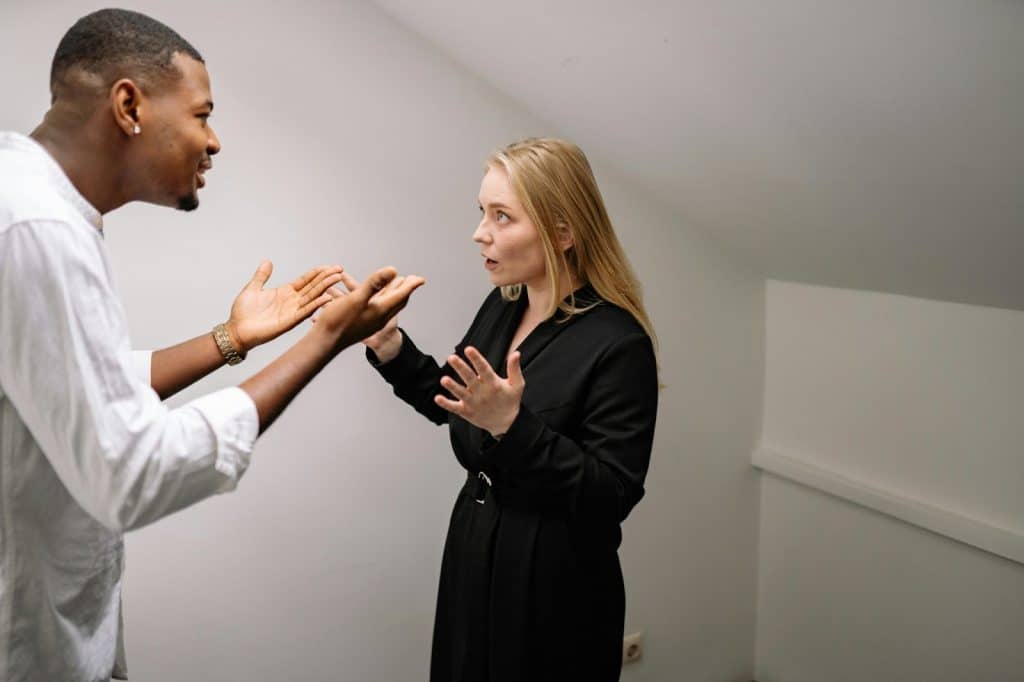
Sacrifices are part of every marriage, but framing them as leverage creates imbalance. Husbands feel pressured when reminded repeatedly of what she gives up. Over time, sacrifices become bargaining chips rather than acts of love. This undermines teamwork and builds resentment. True sacrifice doesn’t demand repayment, it seeks understanding. Husbands are speaking up against this dynamic.
Comparisons That Pressure Behavior

Comparing him to other husbands, friends, or fathers may seem like motivation, but it often breeds resentment. Husbands feel diminished rather than encouraged. Over time, comparisons erode confidence and weaken trust. Every relationship is unique, and measuring against others creates distance. Respect grows from acceptance, not constant comparison. Husbands call this out as damaging rather than helpful.
Centering Social Plans Around Her Circle

Social calendars often lean toward her family or friends. While inclusion is important, imbalance leaves husbands feeling like outsiders. Over time, this dynamic creates distance from his own circle. Husbands are speaking out about the need for balance in social commitments. Marriage thrives when both partners’ relationships are valued. Prioritizing one side exclusively creates resentment.
Dictating Public Narratives

Stories told in social settings shape how others view marriage. Husbands notice when narratives consistently cast wives as the decision-makers. While it may seem harmless, over time it diminishes his role in the partnership. Public perception matters to private confidence. Husbands are calling this out as a subtle but real form of control. Narratives should reflect equality, not dominance.
Requiring Public Agreement

Expecting husbands to always agree in public may feel like loyalty, but it silences authenticity. Over time, men feel they cannot express honest opinions without consequences. This builds quiet resentment beneath the surface. Respect allows for disagreement without disrespect. Husbands are recognizing that public agreement at all costs undermines private trust. Balance means unity without forced silence.
Overriding Parenting Choices

Parenting often sparks disagreements, but one-sided authority creates tension. Husbands feel undermined when their input is dismissed or overridden. Over time, children notice these imbalances, which damages both authority and partnership. Parenting should reflect collaboration, not competition. Husbands are calling this out as an area where balance is crucial. Shared respect strengthens families.
Framing Arguments Around Emotional Authority

Feelings matter, but using them as the final word in every disagreement creates imbalance. Husbands notice when logic or compromise is dismissed in favor of emotional authority. Over time, this dynamic silences their perspectives. Relationships thrive when both reason and emotion are respected. Husbands are pointing out this imbalance as a hidden power play. Equality means every voice counts.
Keeping Score of Past Mistakes

Bringing up old errors during new disagreements creates leverage. Husbands feel trapped when past mistakes resurface repeatedly. Over time, this prevents growth and forgiveness. Relationships cannot move forward when the past is weaponized. Husbands are calling this out as a damaging habit. Love thrives on progress, not constant reminders of failure.
Setting Double Standards for Stress

Patience is often expected when wives are under pressure, but not always extended in return. Husbands notice when their stress is minimized or dismissed. Over time, this creates a sense of inequality in compassion. Relationships require empathy to flow both ways. Husbands are increasingly vocal about this double standard. Balance means understanding is mutual.
Subtly Controlling Time and Priorities

Time is one of the most valuable resources in marriage. Husbands recognize when weekends, holidays, or free time are consistently shaped around her preferences. Over time, their own priorities feel secondary. This creates an imbalance that erodes connection. Husbands call this out as a subtle but steady form of control. Shared time should reflect both partners’ needs.
Minimizing His Hobbies or Interests

Hobbies provide stress relief and identity outside marriage. Husbands feel resentful when their interests are dismissed as unimportant. Over time, this discourages them from pursuing passions. Balance requires respecting both partners’ needs for fulfillment. Husbands are calling out this minimization as unfair. Shared respect keeps individuality alive within partnership.
Shaping Decisions to Favor Her Comfort Zone

Marriage often requires compromise, but when choices consistently align with her comfort, imbalance grows. Husbands feel stifled when their preferences are sidelined. Over time, this reduces enthusiasm for shared decisions. Husbands are naming this as a subtle but consistent power play. True compromise means stepping outside comfort zones together. Balance thrives on shared risk and reward.
Assuming Leadership by Default

Decision-making often defaults to wives without discussion. While initiative can be valuable, assuming leadership as the norm sidelines husbands. Over time, this creates frustration and disengagement. Husbands are speaking up about the need for equal footing in choices. Leadership should be shared, not assumed. Equality sustains long-term respect.
Conclusion

Power plays in marriage aren’t always intentional, but they have real consequences. Husbands are increasingly vocal about feeling sidelined when decisions, intimacy, or authority consistently tilt one way. These dynamics don’t signal failure but highlight areas needing attention. A strong marriage thrives on balance, shared respect, and open dialogue. Recognizing these patterns allows couples to shift from control to collaboration. In the end, power should not divide love, it should be shared equally.








Ask Me Anything