
Men, let’s be honest: Relationships are pretty damn hard. Even harder? Communication. No one will get it right one hundred percent of the time, and that’s okay.
But just because it’s hard doesn’t mean we have to give up. If we say we love the people in our lives–our significant other, our family, our friends–then we need to master the art of communicating, because communication is the lifeblood of healthy relationships. We don’t need to be perfect; we just need to progress.
Here are 15 communication mistakes men often make, and tips on how to repair them.
1. Rushing to Fix Things

Sometimes, our loved ones just need a listening and validating ear–not a hero. We tend to think that if we’re not offering a solution, we’re being useless. But often, what’s most needed is empathy, not efficiency. Fixing too fast can feel like we’re glossing over their pain or telling them to “get over it.” Instead, try saying, “That sounds really hard. I’m here with you.” That alone can work wonders for the one you love.
2. Interrupting

It may be tempting to interrupt when our loved one is talking, especially when we’re itching to ask our follow-up questions, but cutting someone off is a surefire way to make them feel unheard. You might think you’re showing engagement, but to the other person, it feels like you’re more interested in your next point than their current one. Let them finish. Sit in the silence. Your turn will come.
3. Stonewalling

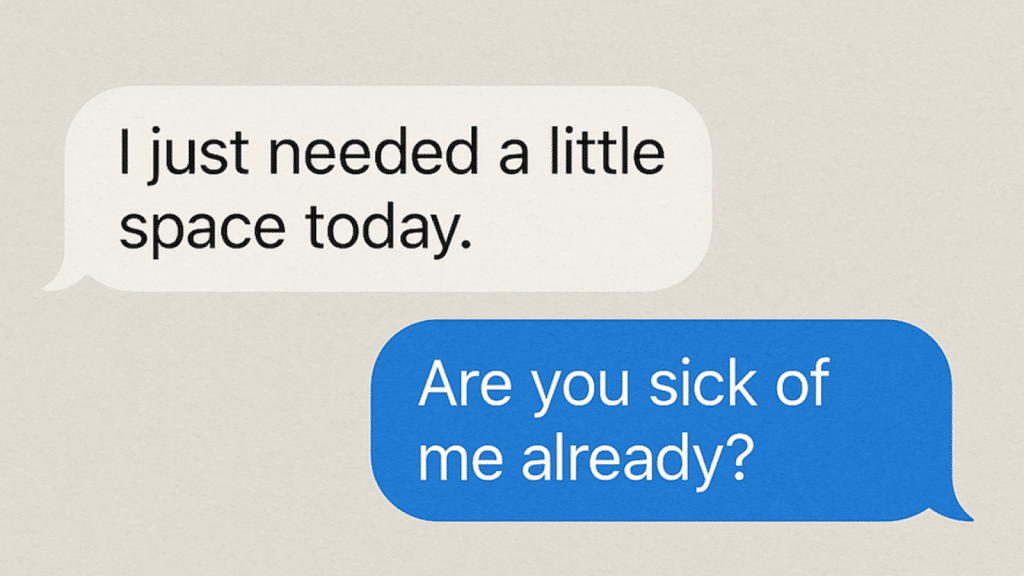
Defined by the Gottman Institute as “withdrawing from interaction when feeling overwhelmed,” stonewalling is what happens when we shut down instead of showing up. It might feel like we’re avoiding a blow-up, but we’re actually just turning cold. This sends the message that our loved one doesn’t matter. If you need space, say that. Just don’t disappear emotionally.
4. Dominating the Conversation

Similar to interrupting, dominating the conversation means taking up all the air in the room. You might not even notice you’re doing it; maybe you’re nervous, maybe you’re passionate–but when you don’t pause to ask questions or invite input, it becomes a monologue. Communication is a two-way street. Make sure you’re not hogging all the air time.
5. Not Minding Your Tone

The medium truly is the message. It doesn’t matter how logical or objective you think you’re being; if you’re saying it in a harsh tone, you lose your audience. People remember how you made them feel more than what you said. Soften your delivery. Respect doesn’t just live in your words; it lives in how you communicate them.
6. Making Assumptions
Just because your loved one says one thing, it doesn’t mean you already understand everything behind what they’re saying. One plus one does not always equal six, and drawing conclusions without clarification can lead to conflict. Ask follow-up questions. Say, “Can you help me understand what you mean when you said…?” It shows care, and keeps you from stepping on the other party.
7. Using Ambiguous Wording

Another common mistake men make in communicating is not being clear with their language. Vague phrases like “I guess,” “It’s fine,” or “Do whatever you want” can feel like emotional land mines. Ambiguity creates confusion, not connection. If you have a preference or an opinion, say it with clarity. People can’t respond to what you won’t say.
8. Not Being Present

You may be physically present, but emotionally absent, and your loved one will always be able to tell. Nodding while scrolling your phone? Not it. Giving one-word replies while thinking about work? Also not it. Real presence means eye contact, attention, and actually giving a damn. You don’t need to be perfect; just present.
9. Being Patronizing

A person can always tell when they’re being looked down upon, and nothing kills intimacy faster than condescension or mansplaining. You might not mean to sound patronizing, but if your words carry even a whiff of “I know better,” you’re missing the mark. Respect your partner’s intelligence and perspective. Speak as equals, not as an expert giving a TED Talk.
10. Being Dismissive
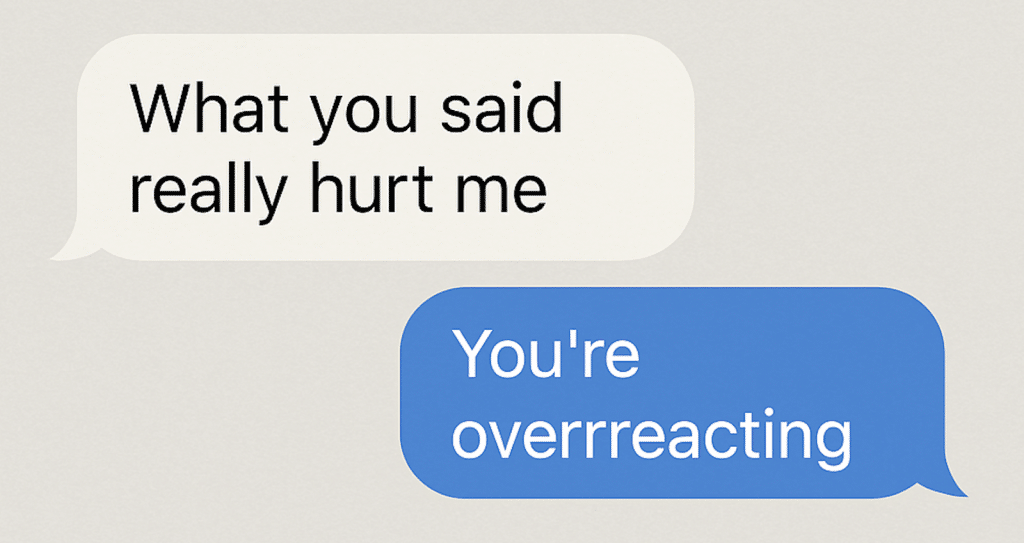
If your loved one tells you something that affects them, don’t minimize that, no matter how small of an issue you think it is. Saying things like “you’re overreacting” or “it’s not a big deal” makes them feel invalidated and alone. What matters isn’t whether you think it’s serious–it’s that they do. Take it seriously because they do.
11. Not Being Upfront About What You Want

If you don’t ever communicate what you need and want, you’ll never get it. How many times have we been frustrated by our loved ones because they assume we can read their minds? We can’t do that to them, too. Say what you feel. Ask for what you need. Vulnerability might feel awkward at first, but it leads to clarity–and then, real connection.
12. Inaction

Yes, it’s a mistake to immediately rush to solutions, but once your loved one already communicated what she wants or needs from you, it would be a mistake to ignore that and continue to not act. Listening is only half of it; doing something about what you heard is the other. Love is a verb. Don’t just say you care. Show it through your actions or through changed behavior.
13. Uninvited Lewdness

If you’re not given explicit consent to make dirty jokes, don’t even try. You don’t know people’s views on lewdness, what trauma they carry, and what might trigger them. What you think is harmless could come off as offensive or creepy. Keep it clean until you know where the line is, and get clear permission before crossing it. And make sure that you at least have a close relationship with the person before making lewd comments, and not even then–unless you have consent.
14. Not Talking About Feelings

Similar to stonewalling, bottling up emotions and refusing to share them creates distance and resentment. You might think you’re protecting the relationship by keeping things to yourself, but what you’re actually doing is building a wall. Talking about feelings doesn’t make you weak; it makes you emotionally available, and that’s a very attractive strength. Process your emotions, then talk about it using clear words. Your significant other–and your relationship–will thank you for it.
15. Being Disrespectful

Once you lose respect for your loved one, communication turns into combat. Eye-rolls, sarcasm, mocking–that’s not banter, that’s contempt. And contempt is a relationship killer. Respect is the foundation of trust, and without it, even the best conversations fall flat. Choose your words like someone who still cares. Because if you don’t, your relationship might end up dead on arrival.








Ask Me Anything