
Relationships don’t usually fall apart overnight–they shift slowly, often in subtle ways you may not notice right away. The way your partner looks at you, how they speak to you, or even how often they include you in their plans can signal that something has changed. It’s not always about dramatic fights or betrayals; sometimes, it’s about a steady erosion of closeness. If you’ve been feeling like things are different but can’t quite put your finger on it, it may be time to pay closer attention.
Here are 18 clues that suggest your partner doesn’t see you the same anymore–and what you can realistically do if you start spotting them.
1. They Stop Sharing the Little Things

Healthy relationships thrive on small, everyday exchanges–random texts, funny observations, or quick updates about their day. When your partner no longer feels the need to tell you about these little things, it’s not just silence; it’s disconnection. If they’re sharing those details with friends or coworkers instead, it’s a sign you’re no longer their go-to person. Try opening up space by asking simple, low-pressure questions like, “What made you laugh today?” to invite that intimacy back.
2. Eye Contact Feels Different
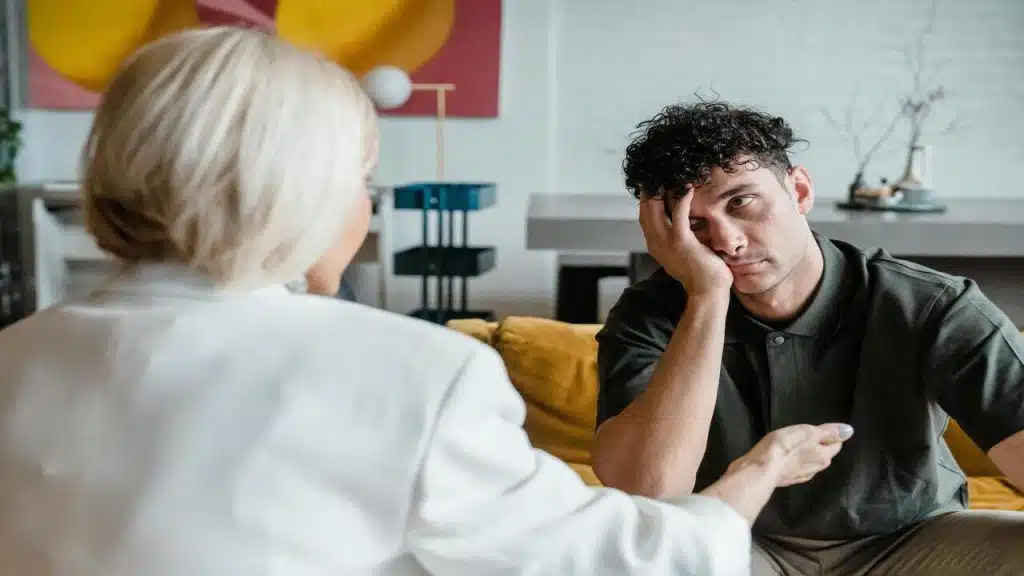
Eye contact is one of the most telling nonverbal cues of connection. When your partner avoids your gaze during conversations, or their look feels more distracted than engaged, it’s often a sign the emotional closeness has shifted. People in love look at each other differently–they linger, soften, and stay present. If this is fading, bring it up gently instead of accusingly, and suggest activities where natural eye contact happens, like shared meals without screens.
3. Physical Affection Declines Noticeably

Touch is a strong indicator of how someone feels about you. If hugs, kisses, or casual touches feel forced–or disappear altogether–it usually means something deeper is changing. A partner who used to reach for your hand but now keeps their distance isn’t just being forgetful; they’re showing disconnection. Before assuming the worst, talk about it. Sometimes stress, fatigue, or even health concerns are factors, but if it’s consistent and unexplained, it deserves a real conversation.
4. They Don’t Ask About Your Day Anymore

When someone cares deeply about you, they naturally want to know how your day went–good or bad. If your partner used to ask but now barely shows interest, it signals a lack of emotional investment. It’s not about interrogation; it’s about curiosity and care. Instead of waiting for them to notice, share your day in a positive way and see how they respond. Their reaction often reveals more than their words.
5. Conversations Feel Transactional

If every conversation with your partner revolves around logistics–who’s paying bills, what groceries to buy, or when to pick up the kids–you may be losing the deeper connection. A relationship needs both practical and personal talk to stay balanced. If it feels like you’re running a business together instead of sharing a life, it’s worth bringing back playfulness. Suggest conversations beyond logistics, like sharing dreams, memories, or even silly debates to lighten the mood.
6. They Seem Irritated by Your Habits

Every couple has quirks they’ve learned to accept in each other. But when small habits suddenly start bothering your partner–things they once laughed off–it’s often a projection of deeper dissatisfaction. This shift can feel like walking on eggshells in your own relationship. Instead of getting defensive, ask directly: “I’ve noticed you’ve been more irritated lately. Is something else on your mind?” Sometimes, the irritations aren’t about you at all but about stress they haven’t voiced.
7. Plans Don’t Automatically Include You

When a partner is invested, they naturally think of you while making plans. If they start creating social or weekend activities without considering you, it’s a sign they’re mentally separating their life from yours. This doesn’t mean you need to do everything together, but consistent exclusion hurts. Approach it calmly by saying, “I’d love to be part of things like that. Can we plan something together?” This opens the door without sounding controlling.
8. Compliments Become Rare

Words of affirmation are small but powerful ways to show appreciation. If your partner no longer notices your efforts–whether it’s your appearance, your work, or the things you do for them–it can feel like you’re invisible. This doesn’t necessarily mean they don’t care; sometimes they’ve just stopped being intentional. But if the compliments have disappeared entirely, it’s time to talk about feeling unseen and express that appreciation is important to you.
9. They Prioritize Others Over You

When your partner consistently puts friends, colleagues, or even hobbies ahead of time with you, it’s not just about being busy–it’s about shifting priorities. While everyone needs balance, your partner should still value time with you. If you’re always last on their list, it’s a red flag. A constructive way to address it is by suggesting quality time rather than demanding it. Say, “I miss us–can we set aside an evening this week just for us?”
10. They Don’t Defend You Like Before

In strong relationships, partners have each other’s back, whether in public or private. If your partner no longer supports you–or worse, sides with others against you–it’s a signal of changed loyalty. This isn’t about blind defense, but about feeling your partner is in your corner. If you notice this happening, don’t let it slide. Bring it up and ask directly, “Did I say something wrong, or did it feel easier not to support me?”
11. Conflict Goes Unresolved

Every couple argues, but healthy couples also resolve. If disagreements now get swept under the rug or left hanging, resentment builds. A partner who doesn’t see you the same anymore might stop caring about resolution altogether. The danger isn’t in fighting–it’s in indifference. If you notice a pattern, take initiative by saying, “I don’t want us to leave this unresolved–can we revisit it later when we’re calmer?” That shows you still care about the relationship.
12. They Pull Away During Vulnerable Moments

One of the clearest signs of closeness is how your partner reacts when you’re vulnerable. If you cry, express fear, or share something deeply personal and they dismiss it, distance themselves, or act uncomfortable, that’s a shift. True intimacy means being able to sit with each other’s raw emotions. If this is slipping, gently ask for what you need in those moments: “I don’t expect you to fix it, but I’d appreciate it if you stayed with me.”
13. They’re Less Interested in Intimacy

Physical intimacy is often a mirror of emotional connection. If your partner is less interested in sex or intimacy without explanation, it can signal more than stress or tiredness. When combined with other signs of disconnection, it may mean their feelings have shifted. Instead of guessing, address it directly but without blame: “I’ve noticed we’re less physical lately. How are you feeling about us?” That opens a dialogue instead of creating defensiveness.
14. Shared Goals Feel One-Sided

Couples who see a future together talk about it regularly–whether it’s saving for a home, planning a trip, or imagining retirement. If your partner stops bringing up future goals or seems uninterested when you mention them, it’s a sign they may not see you in their long-term vision anymore. Don’t force the conversation, but do bring it up with curiosity: “Where do you see us a year from now?” Their answer (or hesitation) tells you a lot.
15. They Criticize More Than They Appreciate
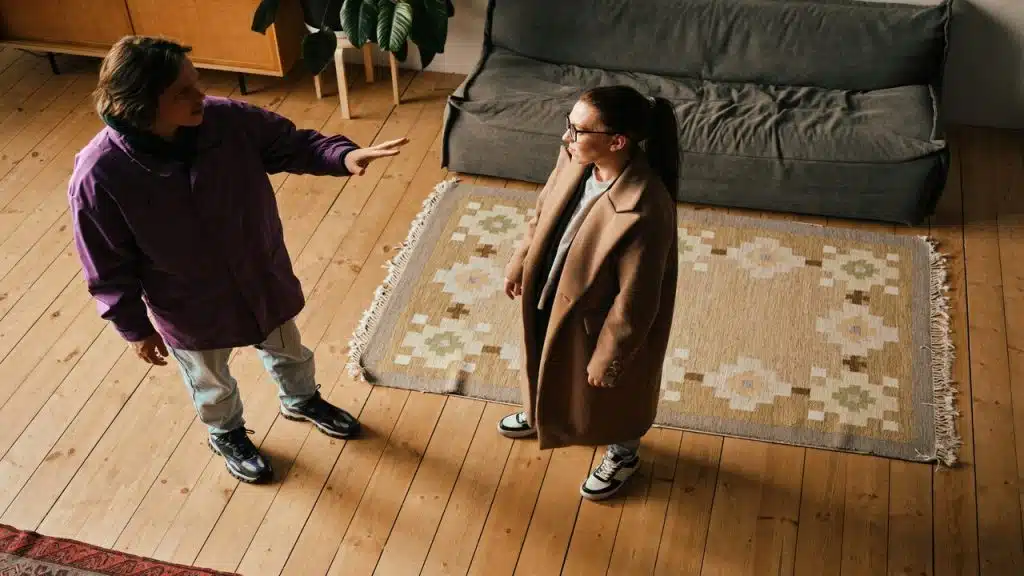
A balance of appreciation and critique is healthy in any relationship. But if criticism outweighs compliments, it signals something deeper. A partner who sees you with affection notices your flaws but frames them with kindness. When that’s gone, small mistakes can feel like ammunition. If this dynamic creeps in, calmly point it out: “I feel criticized more than supported lately. Can we shift how we give feedback to each other?”
16. They Avoid Serious Conversations

If your partner consistently avoids talking about emotions, problems, or the state of the relationship, it’s a clear sign of withdrawal. Dodging serious talks often means they don’t have the energy–or the desire–to invest in working things out. Instead of cornering them, pick the right time and frame it positively: “I care about us, and I want us to be stronger. Can we set aside some time to talk openly?”
17. Their Body Language Feels Closed

Body language speaks louder than words. If your partner turns away from you on the couch, crosses their arms during talks, or positions themselves at a distance, it’s often a subconscious signal of disconnect. These cues are subtle but powerful. If you spot them, try responding with open body language yourself–gentle touches, leaning in, facing them. Sometimes mirroring warmth invites it back; other times, it reveals just how wide the gap has become.
18. You Feel the Energy Shift

Even if you can’t pinpoint a single behavior, sometimes the overall “energy” of the relationship feels different. Gut instincts matter–if something feels off, it usually is. You may feel more like roommates than partners, or the spark that once made you feel chosen is fading. Trust that sense. Instead of ignoring it, start the conversation: “I feel like things are different between us. Do you feel it too?” That honesty often opens the door to clarity.








Ask Me Anything