
Arguments happen in every relationship. Disagreements about money, housework, parenting styles, or even everyday stress are part of normal family life. But when children are in the room, those conflicts take on a different weight. Kids are sharp observers; even when you think they’re busy with toys or screens, they pick up on tone, body language, and tension. The way parents argue doesn’t just affect their sense of security in the moment–it shapes how they understand conflict, relationships, and even love itself.
The good news? Not all conflict is damaging. In fact, when handled thoughtfully, disagreements can teach children about respect, communication, and problem-solving. The challenge lies in knowing where the line is between healthy disagreement and harmful arguing. Below, we’ll break down the key things you need to know about how fighting in front of kids impacts them–and how to handle conflict in ways that protect your family’s emotional well-being.
1. Kids Notice More Than You Think
Even if you believe your argument is “quiet enough” or masked by closed doors, children often sense the emotional undercurrent. They notice shifts in tone, facial expressions, or silence that follows. Pretending conflict isn’t happening can be just as confusing as watching it explode. Instead of underestimating their awareness, assume they are picking up on more than you want. This shift in perspective helps you stay mindful of how your words and actions ripple outward.
2. The Difference Between Disagreement and Destructive Conflict

Not all arguments are harmful. A respectful disagreement–where voices stay calm, blame is avoided, and compromise is reached–can actually be a healthy model. But destructive conflict, which includes yelling, insults, or door slamming, makes kids feel unsafe. Recognize that children don’t separate the issue from the way it’s expressed; they internalize both. What they see repeatedly becomes their definition of “normal,” so the style of your conflict matters as much as the subject.
3. The Stress Effect on Kids’ Brains
When children are exposed to frequent, hostile conflict, their stress hormones spike. This fight-or-flight response can disrupt sleep, focus, and even brain development if it happens chronically. Over time, kids may develop anxiety, stomach issues, or behavioral problems as their bodies absorb the stress of the environment. Keeping this science in mind may help parents think twice before letting heated arguments escalate in earshot.
4. The Silent Treatment Is Also Loud
Many parents assume silence is better than shouting, but stonewalling each other in front of kids can be just as unsettling. Children notice the coldness, the lack of warmth, and the unspoken tension. To them, it feels like the ground beneath their feet is shaky. Instead of freezing each other out, consider pausing the conflict with a brief, calm explanation: “We need to talk about this later.” That reassurance lets children know the relationship isn’t collapsing.
5. Children Often Blame Themselves
When kids hear fighting, they frequently assume it’s their fault–even if the argument has nothing to do with them. This misplaced guilt can weigh heavily, making them act out, withdraw, or try to “fix” things between parents. To prevent this, it’s important to tell children directly: “This is between us–it’s not because of you.” Reassuring them, even briefly, protects their emotional security.
6. Healthy Repair Matters More Than Never Fighting

No household is conflict-free, and kids don’t need to live in one. What they need to see is parents repairing after a fight–apologizing, compromising, and reconnecting. That’s what teaches resilience and relationship skills. If children witness respectful resolution, they learn that disagreements aren’t the end of closeness; they can actually strengthen it. In other words, repair is more important than pretending conflict never happens.
7. Tone Teaches More Than Words
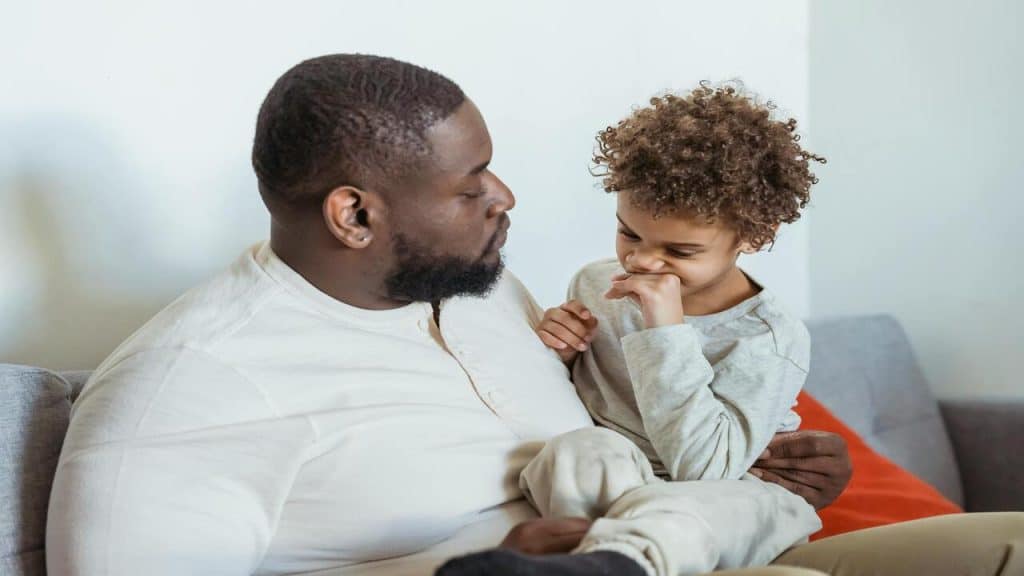
Children may not remember every word you say during an argument, but they will remember how you said it. Sarcasm, contempt, or raised voices can feel like emotional daggers, while calm but firm tones model self-control. If you’re struggling to keep your voice steady, it’s often wiser to step away than to let frustration dictate the tone. This teaches kids that managing emotions matters as much as expressing opinions.
8. Fighting in Front of Kids Can Affect Their Future Relationships

The way children see conflict handled at home becomes their playbook for adult relationships. If they grow up watching shouting matches or avoidance, they may replicate those patterns with partners or friends. On the flip side, seeing parents disagree with respect and resolution equips them with healthy conflict tools. This makes your style of arguing not just a private matter, but a legacy you hand down.
9. Timing Is Everything

Arguing right before bedtime or school drop-off can be especially destabilizing for children. These moments are when kids need reassurance and predictability. Instead of unloading frustrations at sensitive times, choose moments when you can step away from the kids. A simple rule is: if you wouldn’t want them to carry that memory into their sleep or day, save it for later.
10. Arguing About Parenting in Front of Kids Undermines Authority
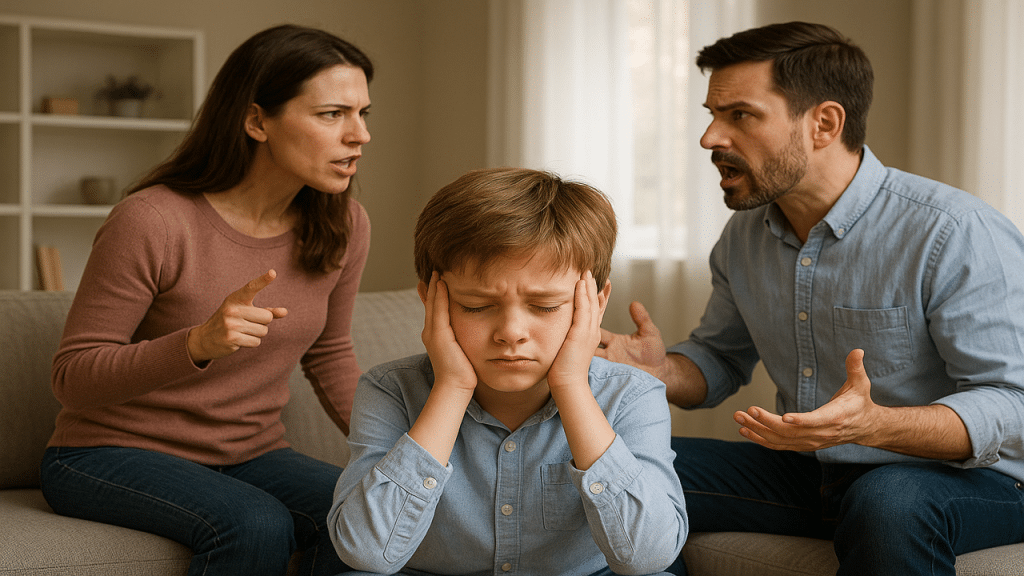
When parents contradict each other on rules, discipline, or decisions in front of children, it creates confusion. Kids may feel pressured to pick sides–or worse, exploit the divide. While it’s natural to disagree on parenting, save those debates for private conversations. In front of the kids, present a united front, then revisit the disagreement later when it won’t shake their sense of structure.
11. Humor Can Defuse Tension

Conflict doesn’t always have to spiral. Light humor–without sarcasm or mockery–can take the edge off and show kids that disagreements don’t need to be scary. A shared laugh in the middle of tension demonstrates flexibility and emotional balance. The goal isn’t to make light of serious issues, but to show that warmth and love remain even when conflict arises.
12. Be Mindful of Physical Gestures

Body language often speaks louder than words. Slamming doors, rolling eyes, or crossing arms aggressively can be as impactful as yelling. Children are watching these cues and drawing conclusions about what anger looks like. Practicing open, non-threatening gestures–like keeping your arms relaxed or making gentle eye contact–can help soften the atmosphere even when words are hard.
13. Kids Learn Coping Skills From You

When you argue, you’re not just showing kids how to handle disagreement–you’re teaching them how to regulate emotions. If they see you pause, take a breath, or calmly ask for a break, they learn those strategies too. Modeling emotional regulation is one of the most powerful lessons you can give, and it sticks far longer than lectures about “staying calm.”
14. Consistency After Conflict Reassures Kids
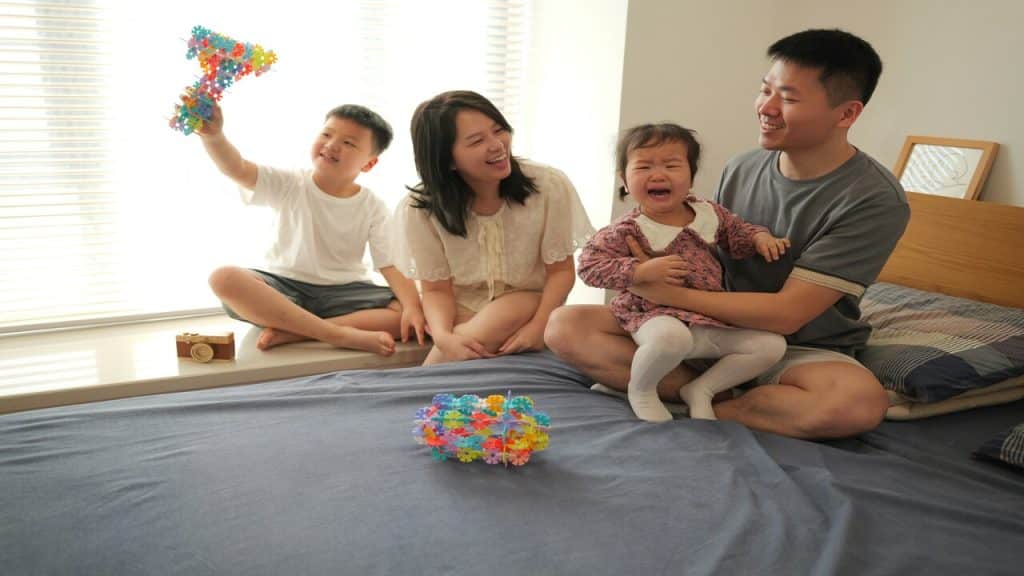
One of the most destabilizing parts of conflict for children is not knowing what comes next. Do things go back to normal, or will the tension linger? By showing consistency–keeping routines steady, maintaining warmth, and returning to normal activities–you reassure them that family life isn’t permanently shaken. This stability helps them feel safe even if they witnessed a disagreement.
15. Don’t Use Kids as Messengers or Mediators

Asking children to pass along messages–“Tell your dad I said…”–or involving them in adult arguments puts them in a painful position. They feel caught in the middle and responsible for fixing dynamics they can’t control. Shielding them from that role is crucial. Keep them out of the conflict triangle and handle communication directly with your partner.
16. Apologies in Front of Kids Have Power

When parents apologize to each other in front of their children, it models humility and accountability. Kids see that even adults make mistakes, and that saying sorry is part of repairing relationships. This doesn’t mean involving them in every detail, but a simple, genuine apology exchanged openly teaches more about respect than any lecture ever could.
17. Know When Professional Help Is Needed

If conflicts are frequent, intense, or edging into aggression, it’s time to seek outside support. Couples counseling, parenting workshops, or stress management coaching can help break unhealthy cycles. Remember: the goal isn’t to eliminate conflict, but to make sure it doesn’t erode your children’s sense of security. Seeking help isn’t weakness–it’s modeling the importance of growth and resilience.








Ask Me Anything