
Buying a home today feels like climbing a mountain with no summit in sight, but for Baby Boomers, stepping into ownership was much more attainable. It wasn’t a cakewalk, but the balance between income, housing costs, and cultural priorities tilted in their favor.
People like to say “houses were cheaper,” and while that’s true, the bigger story comes down to how the entire system worked differently. Let’s walk through why Boomers could buy homes at a pace that now feels almost mythical.
1. Prices Matched Paychecks Better

In the 1960s and 1970s, the average home price was only about two or three times the average annual salary. That ratio made mortgages something you could handle on a modest income. People didn’t need to be wealthy or take on decades of debt just to get the keys to their first place.
It wasn’t that everyone was flush with cash. The reality is that housing costs were aligned with what people actually earned, and that gave Boomers a path younger generations can barely imagine.
2. Wages Had More Power

Back then, one income often covered the basics like rent, groceries, utilities, and even savings. Dual-income households weren’t yet the default, and many families managed fine with just one breadwinner. It wasn’t because paychecks were huge. It was because living costs didn’t eat up everything before the month ended.
Today, bills pile up faster than money comes in, but Boomers had earnings that stretched further. That meant they could save instead of constantly playing catch-up.
3. Mortgage Rates Balanced Out

Yes, Boomers lived through periods of brutally high interest rates in the late 70s and early 80s, but earlier decades offered steady and manageable rates that made monthly payments reasonable. Even when rates spiked, homes were still cheap enough that the overall math made sense.
Someone locking in a mortgage at six or seven percent wasn’t crushed by it. They could still build equity without bleeding their budget dry.
4. Down Payments Didn’t Feel Impossible
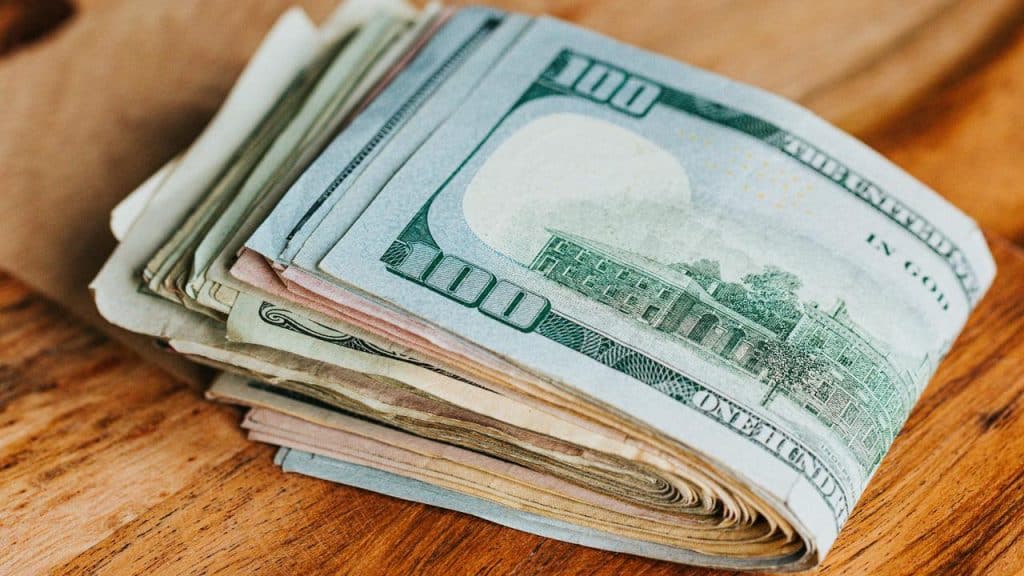
A 20 percent down payment is daunting at any time, but because home prices were lower, the total wasn’t astronomical. Ten thousand dollars could get you through the front door, and while that took discipline, it didn’t mean sacrificing decades of your life to save.
Boomers could get in young, start small, and then trade up later. That early entry point is something that’s far tougher for younger buyers today.
5. Student Debt Wasn’t a Ball and Chain+

Higher education was dramatically cheaper. Many Boomers either went to college debt-free or walked away with loans they could pay off in just a few years. Compare that to the crushing six-figure debts younger generations carry, and the difference is night and day.
Without monthly loan payments draining their income, they could funnel money into homeownership. That freedom gave them a major head start.
6. Jobs Came With Long-Term Security

Steady employment with pensions and reliable benefits gave Boomers stability. Many spent decades at the same company, which made banks confident in lending. Buyers, in turn, felt safe taking on the responsibility of a mortgage.
A career wasn’t just a paycheck. It was a safety net. That security helped people commit to long-term investments like real estate.
7. There Were Enough Homes to Go Around
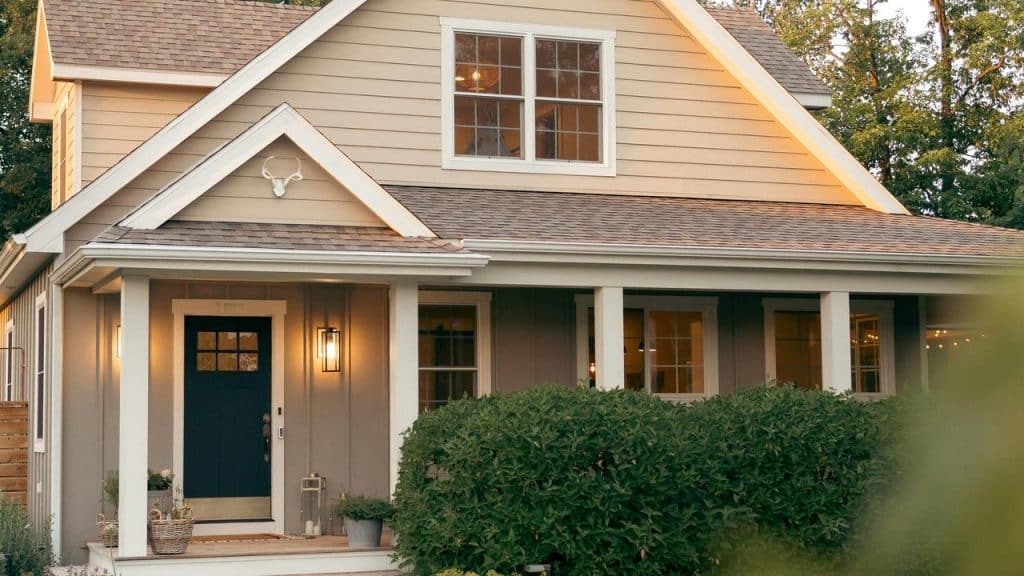
Postwar America was a construction boom. Suburbs were springing up everywhere, and developers built houses at a pace that kept supply strong. That abundance meant prices stayed in check, and buyers had options.
With enough inventory, Boomers didn’t have to fight in bidding wars or pay wildly inflated prices just to compete. Homes were available, and they were affordable.
8. Everyday Costs Didn’t Drain Incomes

Boomers paid less for essentials like groceries, healthcare, and gas when compared to their wages. Bills existed, of course, but they didn’t balloon out of proportion to earnings.
Because the basics were manageable, there was actually room to save. That breathing space is exactly what lets them put money aside for down payments and future plans.
9. Starter Homes Were Actually Basic
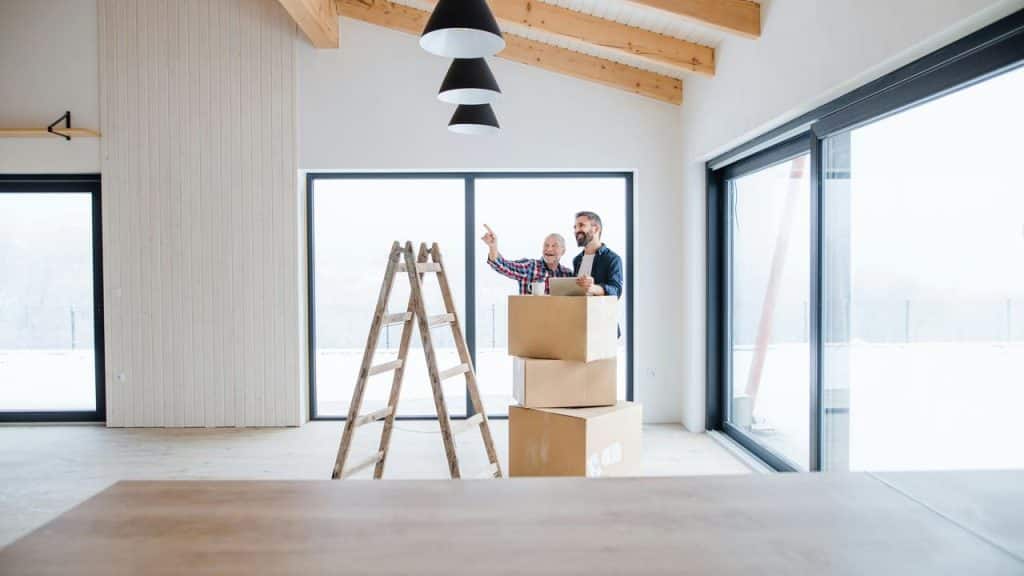
Boomers often bought smaller, simpler homes without modern luxuries. No granite countertops, no oversized master suites, no fancy neighborhoods with clubhouses and pools. They bought what they could afford, even if it needed work.
Those modest purchases got them into the market early. Equity grew over time, and they moved up later. The idea of waiting until you could afford a perfect dream home simply wasn’t the norm.
10. Banks Made Lending Easier
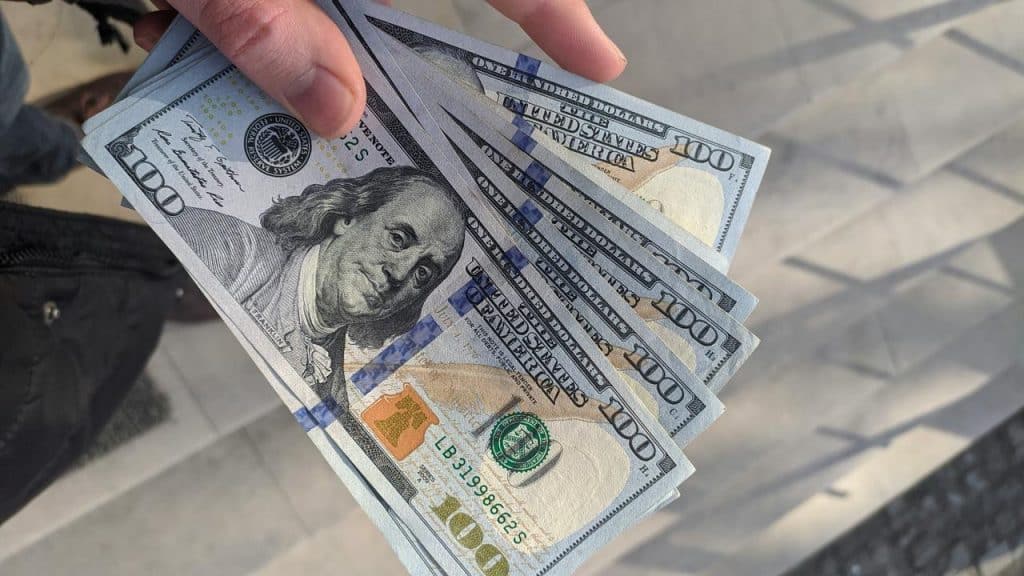
Credit standards were there, but they weren’t suffocating. A steady job, some savings, and basic credit history usually get you approved. It didn’t require jumping through endless hoops or producing piles of paperwork just to qualify.
Access to loans gave Boomers the chance to buy sooner. Lenders weren’t nearly as restrictive as they are now.
11. Rent Didn’t Eat Half Their Paychecks

For Boomers, rent was far more affordable compared to income. That gave renters the chance to save for a home instead of living paycheck to paycheck.
When rent doesn’t swallow your budget, a down payment becomes possible. Boomers could exit renting far earlier than many younger buyers ever will.
12. Government Help Actually Reached People

FHA loans, VA benefits, and other first-time buyer programs made entry into the market smoother. With lower down payment requirements and more favorable terms, Boomers could get into houses sooner.
Those programs weren’t perfect, but they were accessible enough to make a difference. They removed some of the friction that blocks buyers today.
13. Family Support Was More Common

Parents and grandparents often stepped in to help, whether it was through cash gifts, rent-free living while saving, or direct down payment assistance. Because the older generations were often more financially secure, they could lend a hand.
Even small boosts made a big impact. That support system helped Boomers launch into ownership earlier than they might have on their own.
14. Owning a Home Was the Ultimate Goal

Culturally, the American Dream revolved around homeownership. Buying a house wasn’t just encouraged, it was expected. People prioritized it over luxuries or travel.
That kind of social pressure can’t be underestimated. Boomers adjusted their lives to reach that milestone, and they stuck with it until they did.
15. Inflation Worked in Their Favor

Even when inflation was high, wages rose alongside it. That meant mortgages became easier to pay over time. A fixed-rate loan stayed the same while paychecks grew, effectively shrinking the burden.
For many Boomers, this dynamic turned homeownership into a long-term advantage. They built equity while watching their real costs fall year after year.








Ask Me Anything