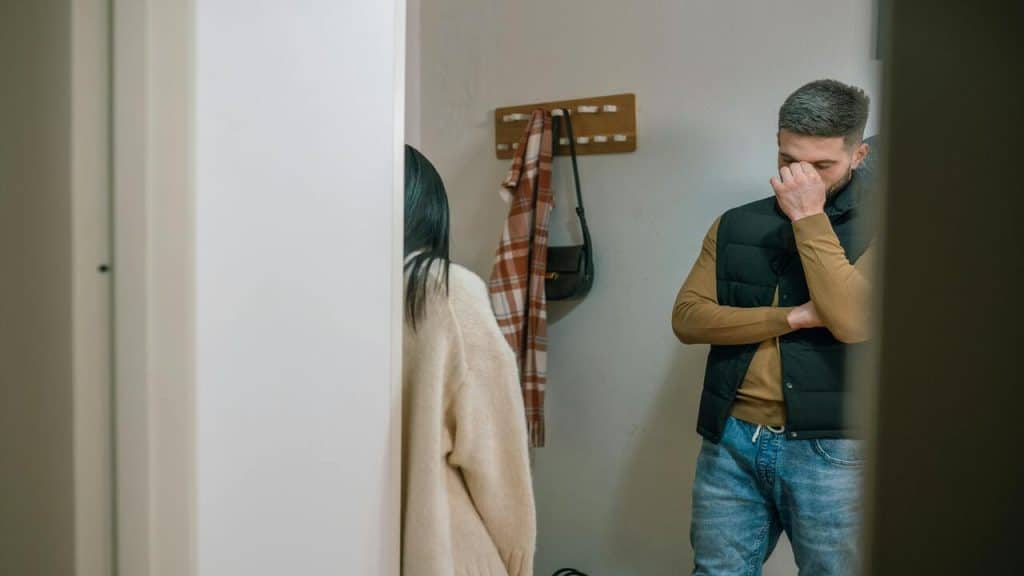
Resentment is one of those silent relationship killers. It doesn’t always show up as shouting matches or dramatic exits–it often hides behind subtle behaviors that are easy to miss. Over time, these unspoken frustrations can eat away at intimacy, trust, and the basic goodwill that keeps two people connected. The problem is, many partners don’t openly admit when they’re feeling bitter or taken for granted. Instead, they let their actions, attitudes, and energy do the talking.
If you’ve been feeling some distance, coldness, or friction that doesn’t quite add up, it could be a sign your partner is harboring resentment they’re not voicing. Catching it early gives you a chance to address the root cause before it becomes a permanent wedge. Here are 18 subtle but telling clues your partner resents you but hasn’t said it outright–and what you can do about it.
1. They’re Polite, But Not Warm

When your partner speaks to you in a tone that’s civil but devoid of warmth, it’s not just tiredness–it could be simmering resentment. Politeness without affection often signals that they’re keeping an emotional barrier up. You may notice they say “thanks” or “goodnight” but without eye contact or tenderness. Instead of brushing it off, acknowledge the change and open space for honest conversation. Warmth is a choice, and its absence usually means something deeper is going on.
2. They Stop Bringing Up Their Frustrations

At the start of a relationship, disagreements are aired because both people care enough to fight for improvement. If your partner has stopped bringing up issues altogether, it may not be peace–it could be quiet resentment. Silence often means they don’t believe you’ll listen, or they’ve given up on change. Encourage them by asking directly if there’s anything they’ve been holding back. Sometimes, a gentle “I want to hear what’s on your mind” can break that wall.
3. They Downplay Your Achievements
A resentful partner may minimize your wins, either by staying quiet when you share good news or by making backhanded comments like, “Must be nice for you.” This isn’t just about jealousy–it’s often about feeling overshadowed or unappreciated themselves. If you notice this, don’t respond defensively. Instead, reassure them of their own value in the relationship and acknowledge their contributions too. Resentment thrives in imbalance, and restoring recognition can soften it.
4. They Withhold Affection Subtly

Physical closeness often reflects emotional closeness. If hugs, kisses, or even casual touches start disappearing, it might not be random–it can be resentment in disguise. Withholding affection is a form of silent protest, especially if intimacy was once natural. Instead of demanding affection, address the distance directly: “I’ve noticed we’re less close lately, and I miss that. Is something bothering you?” This shows care without making them defensive.
5. They Use Humor as a Weapon

Teasing is normal, but when humor has a sharp edge, it’s often masking bitterness. If jokes consistently put you down, embarrass you in front of others, or highlight your flaws, that’s not playfulness–it’s resentment slipping through. The key is to address it calmly: “I know you’re joking, but that one stung. Is something behind it?” Calling it out early prevents sarcastic digs from becoming the default language of your relationship.
6. They Keep Score of Past Mistakes

When every argument ends with a list of your old mistakes, it’s a clue your partner hasn’t truly let go. Resentment often shows up as a running tally of grievances, even long after apologies were made. This behavior means wounds are festering instead of healing. If you notice this, suggest revisiting unresolved issues instead of ignoring them. Sometimes, a deeper apology, accountability, or even couples counseling is needed to clear the slate.
7. They Seem Irritated by Small Things

If your partner sighs when you ask for help, rolls their eyes at your habits, or seems annoyed by things they used to brush off, it may not be about those small things at all. These are displacement reactions–resentment leaking out in safe but petty ways. Rather than snapping back, notice the pattern and ask gently: “I sense some tension–what’s really bothering you?” Addressing the bigger emotion behind the irritations is far more effective than nitpicking each trigger.
8. They Spend More Time Away from You

Everyone needs personal space, but if your partner increasingly chooses solo time or outings with others while avoiding being home with you, it can be a sign of resentment. Avoidance is often easier than confrontation. The trick is not to guilt them into staying but to explore why they don’t enjoy being around you. Create safe conversations around what feels heavy in the relationship and what could make shared time more enjoyable again.
9. They Don’t Celebrate You Anymore
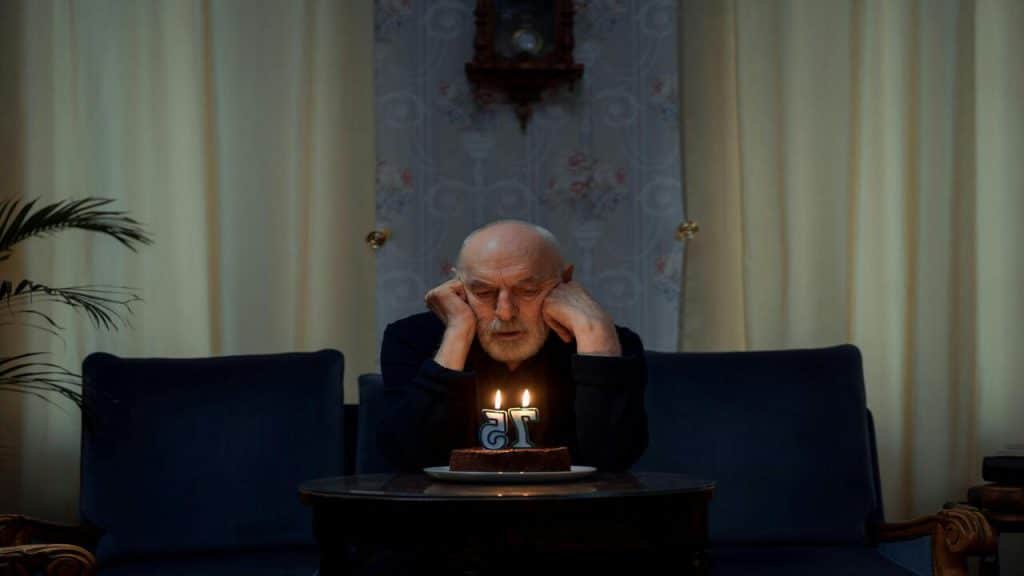
Partners who resent you often stop showing joy for your milestones. Where they once planned birthday surprises or cheered on your wins, now they might treat your moments as inconveniences. This indifference is a quiet form of protest that signals they feel disconnected. You can revive this by finding small, intentional ways to celebrate them first–sometimes modeling enthusiasm can reignite mutual support.
10. They Give Short, Noncommittal Answers

When conversations feel one-sided because your partner only responds with “fine,” “sure,” or “whatever,” it’s often a sign of deeper withdrawal. This isn’t just disinterest–it’s a way of avoiding vulnerability while still staying in the relationship. Instead of pushing for long talks, try asking open-ended but low-pressure questions. Creating nonjudgmental space for dialogue can help them feel safer expressing what’s under the surface.
11. They Avoid Eye Contact During Conflict

Eye contact is a powerful marker of connection. If your partner looks away, avoids your gaze, or checks their phone during disagreements, it’s often a sign they’re harboring resentment and don’t want to reveal it. Breaking eye contact can also mean they don’t trust themselves to keep calm. When this happens, suggest a pause in the conversation and return later. Resentment builds faster when fights turn unproductive.
12. They Mock Your Preferences

Resentment sometimes shows up in subtle forms of mockery–dismissing the music you like, scoffing at your hobbies, or belittling your routines. While it may sound small, consistent disrespect chips away at emotional safety. If you notice this, don’t laugh it off. Assert calmly that your preferences deserve respect, even if they don’t share them. A healthy relationship doesn’t require identical tastes, just mutual appreciation.
13. They Keep Emotional Distance in Bed

Intimacy without emotional closeness can feel hollow. If your partner is physically present but emotionally checked out, it could be unspoken resentment. They may go through the motions without genuine connection. Instead of assuming rejection, address the emotional side: “I feel like something’s missing between us. Can we talk about what’s changed?” This separates intimacy from obligation and helps you both rebuild trust.
14. They Avoid Talking About the Future

Resentful partners often stop making plans together. If conversations about vacations, finances, or long-term goals are met with disinterest or avoidance, it may mean they’re not envisioning a shared future. This is a serious clue that requires open dialogue. Ask, “What do you see for us in the next year?” Their response will tell you a lot about where their head–and heart–are.
15. They Actively Compare You to Others

If your partner frequently points out what other people’s spouses do better, it’s more than a bad habit–it’s a sign of resentment. Comparisons are usually an indirect way of saying they feel disappointed. Instead of letting it fuel insecurity, flip the script: ask what specific needs they feel aren’t being met. Comparisons stop when both partners start addressing real, practical gaps in the relationship.
16. They Get Defensive Easily

Resentful partners often interpret even neutral comments as criticism. If small suggestions trigger defensiveness, it may be because they’re already holding onto unresolved bitterness. Recognize this for what it is–a signal of emotional overload. The best approach is to shift your tone toward collaboration rather than confrontation. “How can we handle this together?” invites cooperation instead of sparking defensiveness.
17. They Seem Indifferent to Your Feelings
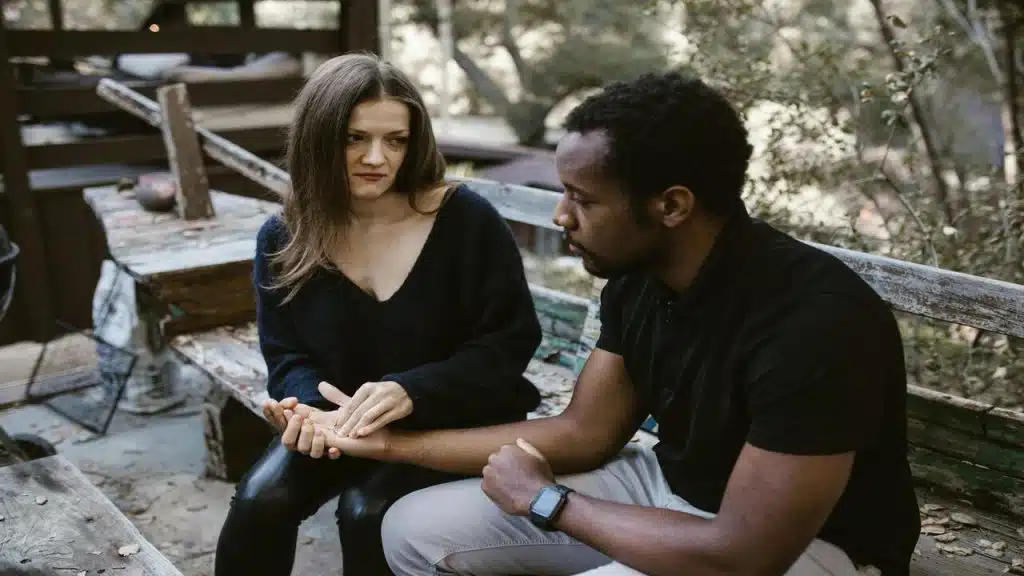
When your partner doesn’t react to your happiness, sadness, or stress, it’s not just emotional detachment–it’s resentment numbing their empathy. They may feel too burdened to engage with your emotions because they’re stuck in their own. This is a dangerous place for any relationship. Instead of blaming them, acknowledge the distance and invite honesty: “I miss feeling like we’re in tune. Is something driving a wedge between us?”
18. They Stop Using “We” Language
Language reveals mindset. When “we” turns into “I” or “me,” it often signals resentment and disconnection. Phrases like “your problem” or “that’s on you” reflect a shift from partnership to separation. If you hear this often, it’s a wake-up call. Reintroduce “we” intentionally when discussing challenges, and suggest resetting shared goals. Sometimes, reminding each other that you’re on the same team can soften hardened edges.








Ask Me Anything