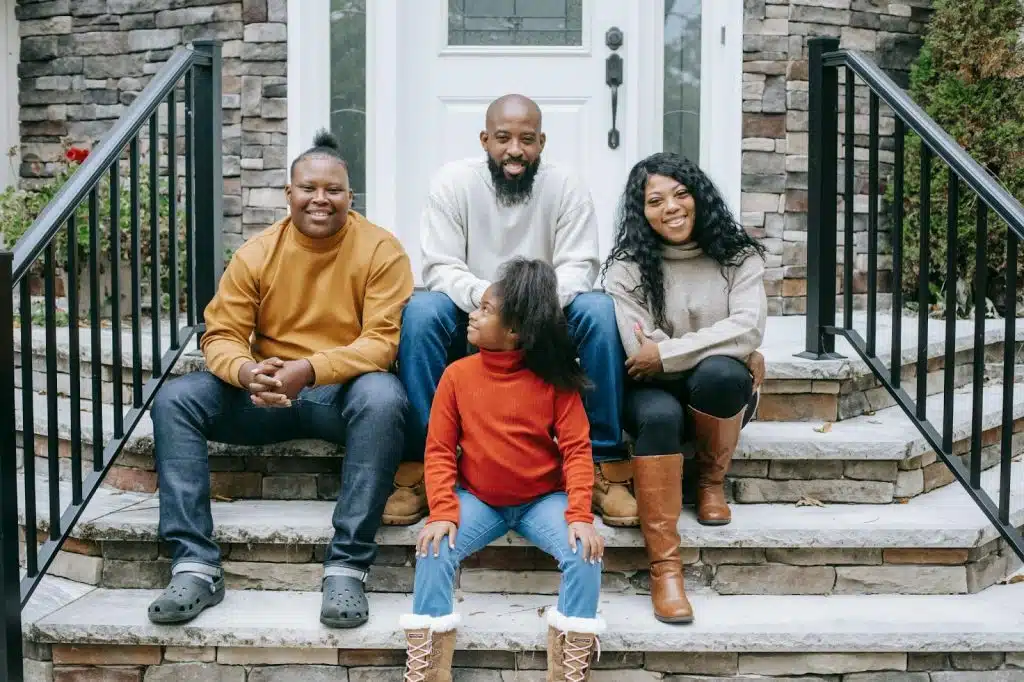
Blended families are becoming more common, especially for people entering relationships in their 40s and 50s. At this stage of life, love is less about infatuation and more about creating stability, security, and lasting companionship. But when children from previous relationships, extended families, and personal histories come into play, things can get complicated. Building a blended family requires patience, empathy, and commitment. Here are 17 lessons about love and blended families after 40, along with one important tip for making it all work.
Lesson 1 – Patience Is More Valuable Than Speed

Blending a family doesn’t happen overnight. Children and even adult kids may take time to warm up to new family dynamics. Rushing the process only leads to frustration. Couples learn that patience is the key to earning trust and building respect over time. Love in blended families grows slowly but deeply when nurtured consistently.
Lesson 2 – Respecting Past Relationships Matters
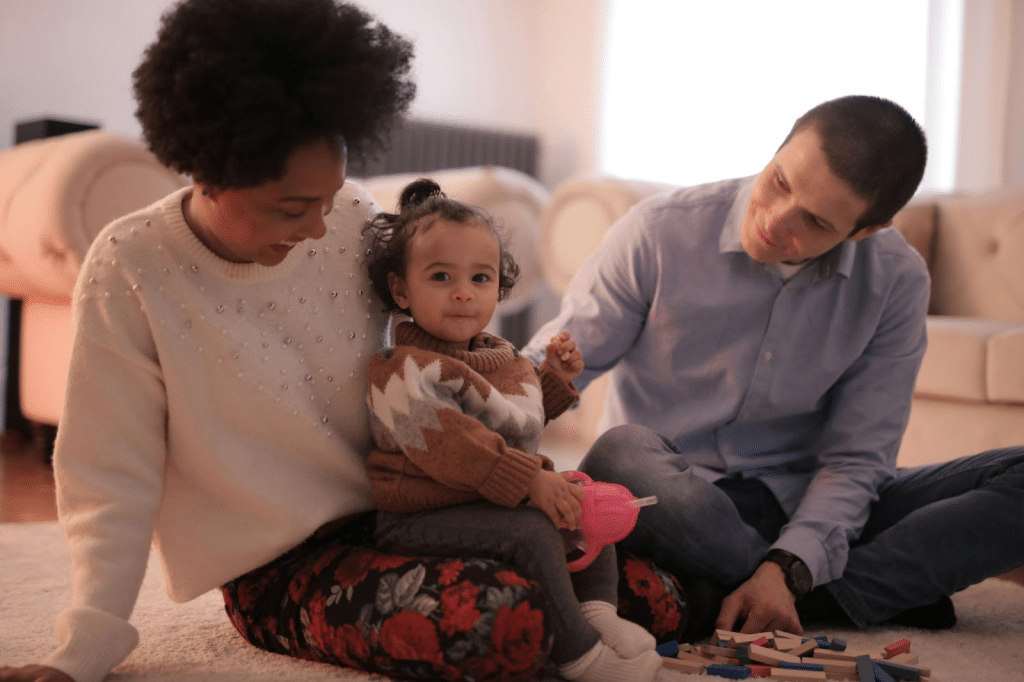
When children see their parents enter new relationships, they may struggle with loyalty to the other parent. Disrespecting or criticizing an ex-partner often makes things harder for everyone. Couples in blended families learn to acknowledge the importance of past relationships without letting them dominate the present. Respect creates stability and reassures children that love isn’t a competition.
Lesson 3 – Clear Communication Prevents Resentment

Blended families often come with overlapping expectations. Without open communication, misunderstandings turn into resentment. Couples learn to discuss parenting styles, house rules, and financial responsibilities openly. This clarity not only helps the relationship but also sets an example for children. Strong communication is the backbone of any blended home.
Lesson 4 – Children Need Time to Adjust
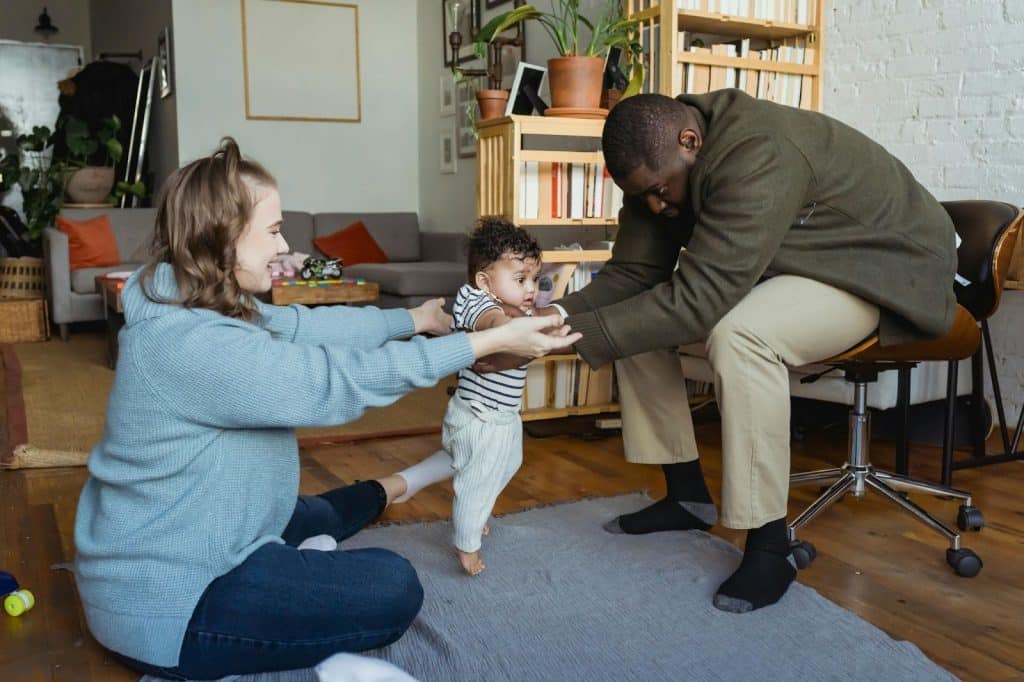
Kids may feel conflicted or even resistant when a parent remarries. They might worry about losing attention, loyalty, or routine. Couples learn that children’s acceptance isn’t immediate, and forcing bonds rarely works. Instead, giving kids space to adjust and reassuring them of their place in the family fosters trust. Patience and empathy are vital.
Lesson 5 – Step-Parents Should Build Bonds Naturally
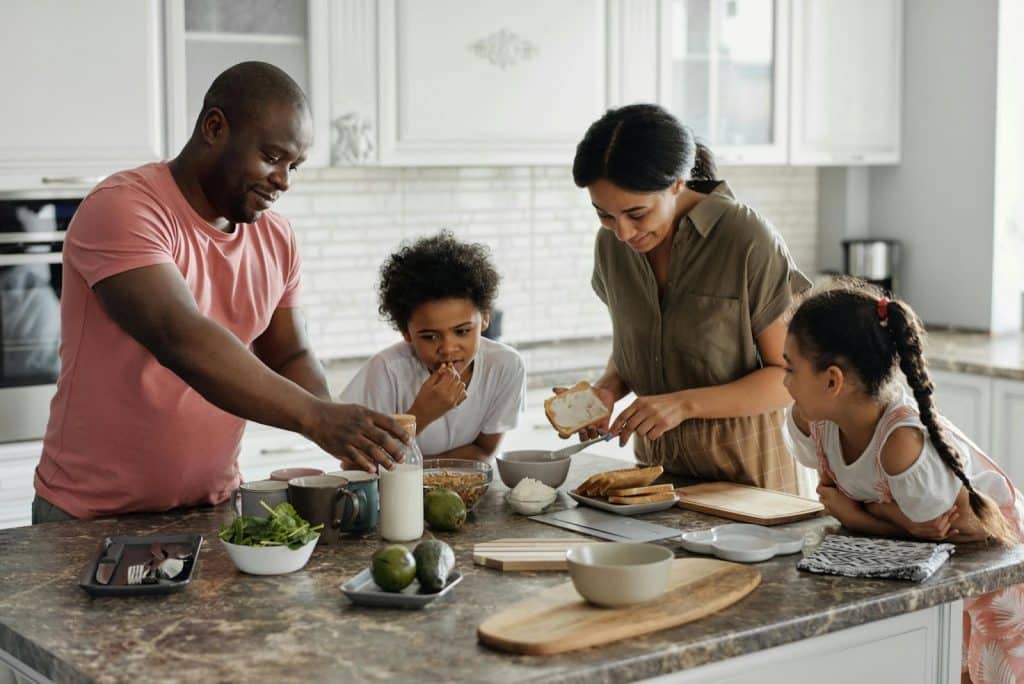
Forcing a step-parent relationship on children often backfires. The healthiest blended families allow bonds to develop naturally over shared interests, kindness, and consistency. Respectful step-parents learn to be supportive figures, not replacements. Over time, love grows when children feel their boundaries and emotions are honored.
Lesson 6 – Financial Planning Becomes Even More Complex

Blended families often juggle multiple households, child support, and long-term financial planning. Couples learn that transparency about money is crucial. Without clear agreements, financial stress easily strains love. Creating a joint plan that respects everyone’s needs builds stability. Money talk becomes a lesson in teamwork and honesty.
Lesson 7 – Boundaries Protect Relationships

Every blended family has invisible lines, whether it’s parenting authority, discipline, or privacy. Couples learn that setting boundaries prevents unnecessary tension. Boundaries also ensure children feel respected in their own spaces. A healthy relationship thrives when both love and structure coexist.
Lesson 8 – Extended Families Add Another Layer

In-laws, grandparents, and ex-partners all play a role in blended families. Managing these relationships requires patience and diplomacy. Couples learn that unity is critical when dealing with extended family dynamics. A supportive partnership becomes the anchor against outside pressures.
Lesson 9 – Shared Traditions Strengthen Bonds

Blending families often means blending traditions. Couples discover that creating new rituals, whether it’s weekly dinners, movie nights, or holiday customs, helps unify everyone. Shared traditions give children and adults alike a sense of belonging. They remind everyone that while the past matters, the present family is building something new together.
Lesson 10 – Conflict Styles Must Be Managed Carefully

When two households merge, conflict styles often clash. One partner might avoid confrontation, while the other prefers direct discussions. Couples learn that agreeing on conflict resolution methods prevents bigger problems. Respectful disagreements model healthy communication for children. Conflict becomes a lesson in unity when handled with care.
Lesson 11 – Couples Must Prioritize Their Relationship

It’s easy to let parenting overshadow romance in blended families. However, couples who neglect their relationship risk weakening the foundation. Love must remain central, with intentional date nights or private time. When the couple stays strong, the family follows. A thriving marriage makes blending smoother.
Lesson 12 – Loyalty Conflicts Are Real and Manageable

Children sometimes feel torn between biological parents and step-parents. Couples learn not to take this personally but to respond with empathy. Reassuring kids that love isn’t limited eases these conflicts. Over time, children learn they don’t have to choose sides. Love grows when loyalty is respected.
Lesson 13 – Forgiveness Is a Daily Choice

Blended families are full of imperfect moments. Missteps happen, feelings get hurt, and misunderstandings are common. Couples learn that forgiveness must be practiced daily. Holding onto grudges only widens divides. Choosing forgiveness strengthens love and models resilience for children.
Lesson 14 – Flexibility Is the Survival Tool

Schedules, parenting roles, and family dynamics shift constantly in blended families. Couples learn that flexibility is key. Plans change, emotions fluctuate, and unexpected challenges arise. Staying adaptable allows families to thrive instead of crumble. Flexibility ensures love remains steady in unpredictable circumstances.
Lesson 15 – Humor Helps Heal Tension

Blending families can feel heavy with responsibility. Couples who keep humor alive lighten the atmosphere. Shared laughter turns stressful moments into memories. Humor creates connection, reminding everyone that joy still exists amid challenges. Love grows stronger when laughter remains part of daily life.
Lesson 16 – Respecting Adult Children Is Just as Important

For couples in their 40s and 50s, adult children are often part of the picture. They, too, may struggle with acceptance. Couples learn that adult children need respect, patience, and reassurance just like younger ones. Maintaining healthy relationships across generations is vital to harmony.
Lesson 17 – Blended Love Requires Daily Choice

Perhaps the most important lesson is that blended love is intentional. It’s not about waiting for things to fall into place, it’s about showing up daily with effort and care. Couples learn that blended families don’t “just work out”, they are built. Love grows strongest when it is chosen every single day.
Tip – Make Unity the Non-Negotiable
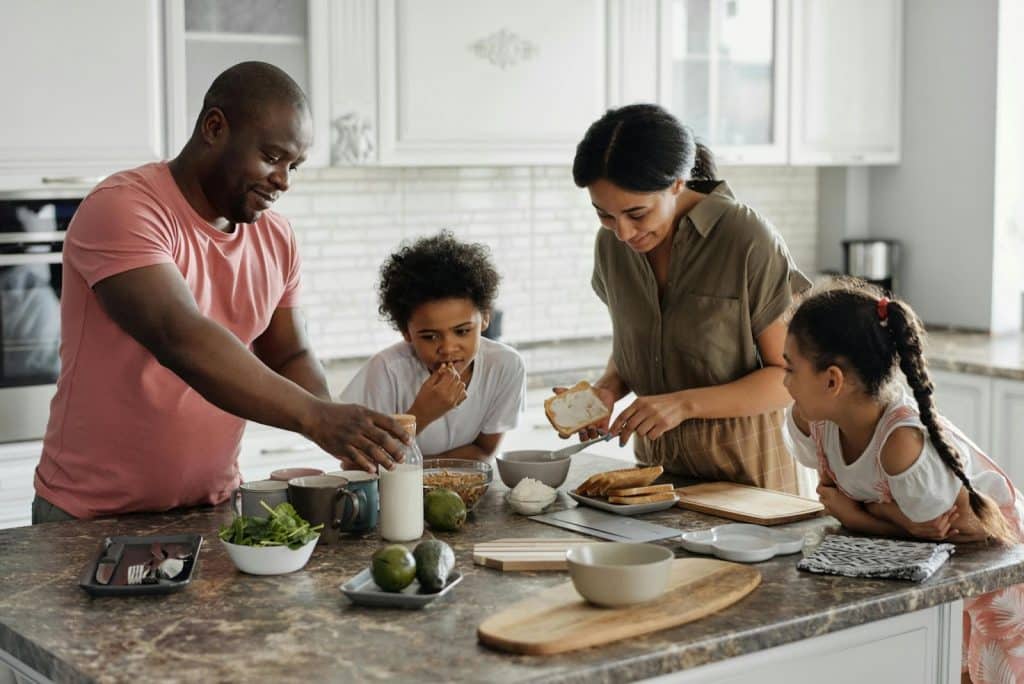
Blended families face countless challenges, but unity between partners must remain unshakable. When children, finances, or extended families test the relationship, unity provides stability. Couples who present a united front build trust for everyone in the household. Unity is the secret ingredient that keeps blended families thriving.
Conclusion

Blended families in midlife are not easy, but they are deeply rewarding. The lessons couples learn along the way revolve around patience, respect, communication, and resilience. Blended love is proof that second chances can work, even when challenges feel overwhelming. With intentional effort and unity, blended families not only survive but thrive. Love after 40 is more than possible, it’s stronger, wiser, and built to last.








Ask Me Anything