
At the start of a relationship, it’s easy to confuse attention with affection and persistence with passion. What feels flattering when sparks are new can, over time, morph into something restrictive if it chips away at your independence. Many people don’t notice the shift until the once-sweet gestures start making them feel uneasy, watched, or pressured. The trick is learning to spot when a “cute” habit stops being playful and starts being about power.
Below are 18 common behaviors that can take this turn–and what you can do if you notice them creeping into your own relationship.
1. Constant Check-Ins
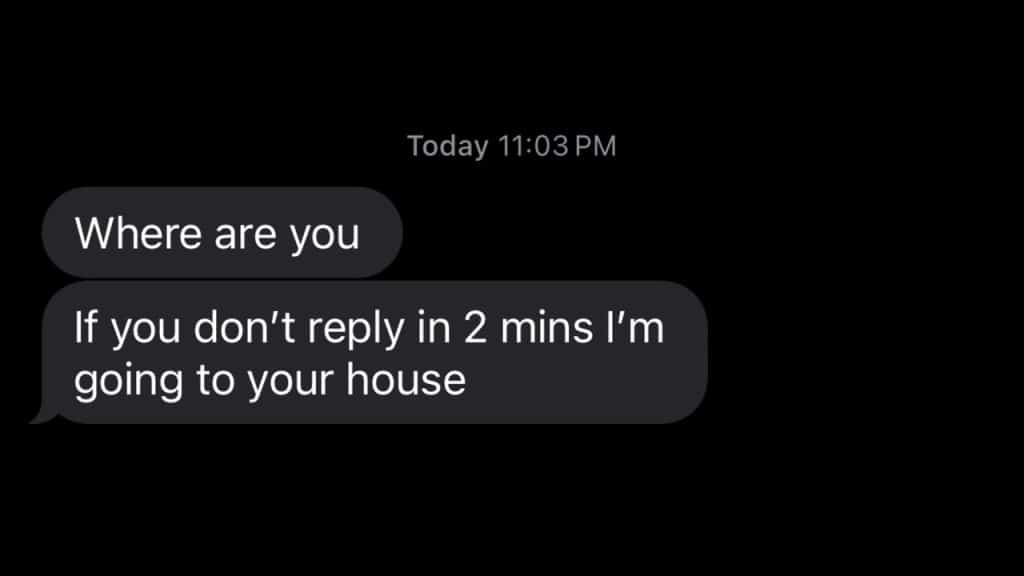
At first, those “Just thinking of you” texts can feel endearing, a sign your partner cares. But when those check-ins become relentless–wanting to know where you are, who you’re with, and what you’re doing–they stop being thoughtful and start feeling like surveillance. Healthy couples give each other breathing room. If you notice check-ins shifting from sweet reminders to subtle interrogations, set boundaries early and explain that trust matters more than constant contact.
2. Wanting to Spend Every Free Minute Together

At the honeymoon stage, wanting to see each other all the time feels exciting. But if your partner begins to resent your hobbies, friendships, or time alone, what was once romantic becomes controlling. Space is a sign of a strong relationship, not a weak one. Encourage balance by scheduling couple time and solo time, so neither of you feels smothered or isolated.
3. Playfully Picking Out Your Clothes

It might start as a joke–“I love when you wear that shirt”–but if they start policing your outfits, things can turn restrictive fast. What should be a compliment becomes criticism disguised as “help.” Dressing for yourself is part of your autonomy. If their “suggestions” feel more like rules, push back gently and remind them that style is about self-expression, not control.
4. Teasing That Cuts Too Deep

Light teasing builds intimacy, but it can slowly cross the line into constant digs about your looks, habits, or intelligence. What was once “just joking” may leave you feeling small. The problem isn’t the humor–it’s the power dynamic behind it. Set limits on jokes that sting, and make it clear that respect must remain the foundation of your relationship.
5. “Helping” With Your Schedule

It might seem thoughtful when your partner offers to manage your calendar or remind you of appointments. But when they start insisting on what you should do with your time, that helpfulness becomes control. Independence means owning your own commitments. Accept support when you need it, but don’t hand over your right to decide how you spend your days.
6. Keeping Tabs on Social Media

Liking your photos and leaving sweet comments is harmless. But when they question every new follower, demand access to your DMs, or pressure you to delete posts, the “cuteness” evaporates. Social media is an extension of your independence. If a partner treats it like their property, it’s a warning sign that they struggle with boundaries and trust.
7. Always Paying for You

It can feel romantic when your partner insists on covering every bill. But if generosity turns into obligation–where you feel indebted or powerless to say no–it’s no longer kind. Real generosity doesn’t come with strings. Offer to split or cover things occasionally to keep balance, and notice if their spending is more about control than care.
8. Checking Your Phone “As a Joke”

A playful grab of your phone to take a silly selfie is harmless. But when they start scrolling through your messages or demanding to know your passwords, that “joke” reveals deeper trust issues. Privacy is not secrecy–it’s respect. Don’t brush it off; set firm boundaries about your digital life before little invasions grow into major breaches.
9. Making “Couple Decisions” Without You

It feels sweet when your partner orders for you at dinner or books a surprise trip. But when they make significant decisions about your life–like finances, living arrangements, or family plans–without consulting you, it’s a control tactic. Surprises should bring joy, not limit choice. Insist on shared decision-making, especially with things that directly affect your future.
10. Wanting to Know All Your Friends

At first, it’s thoughtful when they take interest in your circle. But if they begin questioning your friends’ intentions, discouraging certain friendships, or making you feel guilty for spending time with them, it’s not cute–it’s isolating. Independence thrives when both partners maintain outside connections. Be wary if “I just care about you” becomes an excuse to shrink your support network.
11. Texting Back Instantly, Every Time

Quick replies can make you feel valued, but when they expect the same from you, it becomes suffocating. Not answering right away shouldn’t spark suspicion or conflict. Healthy couples understand that people are busy, distracted, or simply need downtime. Make it clear that responsiveness is nice, but respect for each other’s rhythms is even nicer.
12. Keeping Score of Efforts

It may seem fair when your partner remembers everything they’ve done for you–but when they turn it into a running tally, kindness becomes currency. A relationship isn’t a debt system; it’s about give and take without resentment. If you feel like every favor comes with an invisible receipt, call it out before guilt becomes the glue holding things together.
13. Tagging Along to Every Outing

It feels flattering at first when they want to join you everywhere–from errands to nights out. But if they start appearing at every activity without asking, the novelty fades quickly. Being joined at the hip might sound romantic, but real connection thrives on balance. Protect your solo activities, and make clear that “together time” shouldn’t erase “me time.”
14. Framing Jealousy as Passion

Early on, jealousy can be mistaken for intensity–“They care so much!” But jealousy that shows up as anger, suspicion, or attempts to control your behavior is toxic. Passion builds trust, not paranoia. If your partner excuses jealousy as love, point out that true love celebrates your freedom instead of punishing it.
15. Over-Involving Themselves in Your Family Life

It can be heartwarming when your partner bonds with your family. But if they start speaking for you in family matters or pushing their opinions too strongly, it’s overstepping. Your family ties should remain yours to manage. Include them in ways that feel natural but draw the line if their involvement shifts into control over your closest relationships.
16. Expecting Constant Reassurance

Everyone needs affirmation now and then, but if your partner constantly fishes for reassurance–about their looks, your love, or the stability of the relationship–it can become draining. What feels sweet at first can turn into emotional labor that traps you in a cycle of soothing. Encourage self-confidence and gently refuse to become their only source of validation.
17. Gifting With Strings Attached

Surprise gifts feel romantic when they’re genuinely given. But if those gifts come with unspoken expectations–like control over your decisions, behavior, or loyalty–they’re not really gifts. They’re leverage. Pay attention to whether generosity is used to buy compliance. The healthiest giving expects nothing in return except appreciation.
18. Saying “It’s Just Because I Love You”

Few phrases sound more reassuring than “I’m doing this because I love you.” But when it’s used to justify controlling, invasive, or limiting behavior, it becomes a cover for manipulation. Love should never feel like a leash. Remind yourself that care without respect isn’t real love–and don’t accept behavior that hides behind those words.








Ask Me Anything