
When you see an older couple smiling politely at family gatherings or posting sweet anniversary photos online, it’s easy to assume everything is perfect. But behind closed doors, many partners wear masks to cover the cracks in their relationship. Age doesn’t automatically bring peace–sometimes, it just teaches people how to disguise discontent more convincingly. These masks can be subtle, layered, and deeply ingrained after years together. Learning to spot them is the first step toward understanding what’s really going on, whether you’re concerned about your own relationship or observing one around you.
1. The “We’re Just Busy” Excuse

Couples often blame their lack of connection on being busy with work, grandchildren, or household obligations. While life certainly gets hectic, constantly leaning on “busyness” as a reason for distance is a cover-up for a deeper disconnect. If weeks go by without meaningful interaction, it’s rarely just about schedules–it’s about avoidance. The practical way forward is to see if they still make room for each other intentionally, even in small ways. True closeness isn’t about the number of hours, but how deliberately those hours are spent.
2. Overcompensating in Public

Some couples turn up the charm when others are watching–holding hands, trading jokes, or calling each other pet names. But if their private interactions are cold or distant, the public display becomes a mask rather than a reflection of intimacy. Overcompensation is often a way to silence suspicion from friends or family. A good test is whether the affection continues when the spotlight is off. Real closeness doesn’t need an audience to feel natural.
3. The “We Never Fight” Storyline

Older couples sometimes brag about never arguing, as if that’s proof of harmony. But zero conflict can actually signal emotional withdrawal. It means disagreements are being swallowed instead of worked through, creating a quiet resentment that builds over time. Healthy couples don’t avoid conflict–they handle it respectfully and move forward. If every conversation feels “safe but shallow,” it may be a warning that they’re hiding more than they’re sharing.
4. Relying on Routine as a Substitute for Intimacy
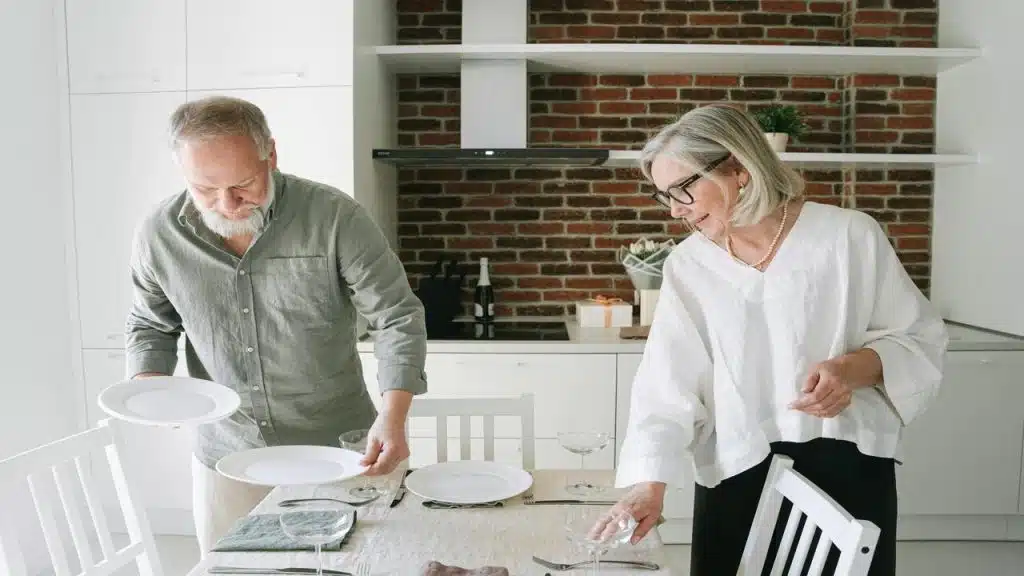
It’s common for long-term partners to slide into predictable routines–watching the same shows, eating at the same restaurants, keeping identical schedules. While routine feels safe, it can also mask emotional emptiness. Going through the motions together doesn’t necessarily mean they feel close; it just means they’re co-existing. The question worth asking is: when was the last time they tried something new together? Intimacy requires novelty, not just repetition.
5. Excessive Politeness

On the surface, politeness seems positive. But when “please” and “thank you” replace genuine warmth or vulnerability, it can indicate distance. Some older couples communicate like polite roommates rather than lovers or partners. They avoid raw honesty because it feels risky, so they keep everything surface-level. Real connection requires letting your guard down, even if that means occasional discomfort. If the tone is always courteous but never close, something is being hidden.
6. Leaning on the Children or Grandchildren

Many couples use family as a buffer. Outings, holidays, and conversations revolve around kids or grandkids, leaving little room for the couple to engage with each other meaningfully. This mask works because it looks wholesome and admirable from the outside. But when the children leave or the visit ends, the silence between partners becomes impossible to ignore. A strong relationship should exist independently of family ties.
7. Avoidance Through Separate Hobbies

It’s normal and healthy to have different interests, but sometimes couples deliberately throw themselves into hobbies to avoid dealing with marital strain. One partner spends hours on golf, the other on gardening, not because of passion but because it keeps them apart. This creates the illusion of a balanced lifestyle while sidestepping unresolved issues. The key question is whether the hobbies bring them joy–or just distance.
8. Financial Partnership as a Disguise

For some older couples, money becomes the glue. They stay together because finances, assets, or retirement plans are too complicated to untangle. Outwardly, this looks like practicality, but underneath it’s often fear of independence or financial insecurity. The mask works because stability is highly valued with age. Yet real fulfillment comes from choosing each other, not feeling chained by logistics.
9. Social Media Smiles

Anniversary posts, vacation photos, and glowing captions can create a curated image of happiness. But photos rarely tell the whole story. Many couples put more effort into their digital image than into each other. The litmus test is how they act when the camera isn’t rolling. Happiness that only exists in pixels isn’t happiness–it’s branding.
10. Humor as a Shield

Jokes, sarcasm, or constant teasing can mask tension. Humor becomes a way to avoid vulnerable conversations, keeping everything lighthearted but never deep. While laughter is important, if it’s the only language spoken, it can prevent real intimacy. Notice if the jokes feel dismissive or deflective. Healthy humor bonds people; defensive humor keeps them at a distance.
11. The “We’re Comfortable” Defense

Older couples often justify lack of passion with the phrase, “We’re comfortable with each other.” While comfort is important, it can also signal complacency. Passion and closeness don’t have to fade completely with age–they just require effort. Using “comfort” as a shield often hides the fact that one or both partners stopped trying. True comfort is rooted in safety and effort, not resignation.
12. Outward Success as a Cover

Couples with impressive careers, beautiful homes, or active social calendars often use these as proof of a thriving relationship. But status symbols can’t replace intimacy. Sometimes the busier or more “successful” they look, the emptier the connection feels behind the scenes. The reality check comes when external accolades fade–what’s left between them when the noise dies down?
13. Separate Bedrooms as “Practicality”

It’s increasingly common for older couples to sleep in separate bedrooms, often for reasons like snoring or different schedules. While this can be practical, it can also signal a loss of intimacy disguised as convenience. If the decision was mutual and happy, fine. But if one partner quietly resents it, the separation becomes another wall in the relationship. Physical closeness matters more than many realize.
14. Overemphasis on Tradition

Some couples lean heavily on traditions–anniversary dinners, holiday rituals, or routines they’ve kept for decades. While tradition has value, it can become a script that replaces real emotional connection. They celebrate because “it’s what we do,” not because they feel genuine joy. The mask is convincing because it looks romantic, but inside, it can feel hollow.
15. Constantly Talking About the Past
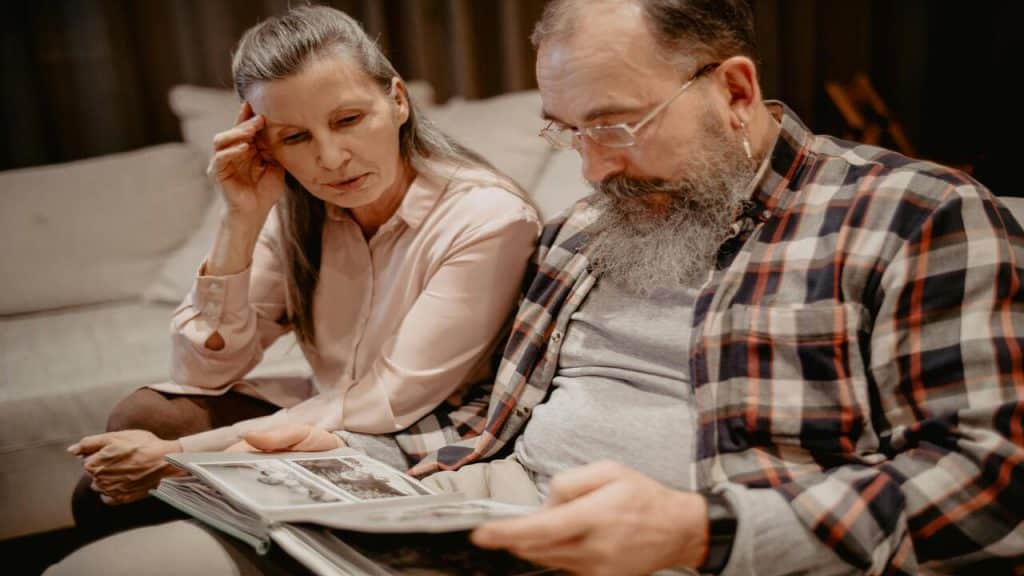
When conversations always drift toward “the good old days,” it’s often a sign the present feels empty. Nostalgia becomes a safe refuge where the relationship once thrived, but it also avoids facing today’s reality. The healthiest couples reminisce but also dream together about the future. Living only in memories can be a mask for unhappiness in the now.
16. Blaming Health Issues for Everything

Health challenges do increase with age, but sometimes they’re used as an all-purpose excuse. “I’m too tired,” “My back hurts,” or “I’m stressed about my blood pressure” can mask emotional withdrawal or lack of interest. While health deserves compassion, it shouldn’t erase intimacy completely. The distinction lies in whether health is a genuine limitation or a convenient shield.
17. Over-Involvement in Community or Church Life

Volunteering, church groups, or community events can become a substitute for dealing with personal struggles. On the surface, the couple seems admirable and active, but the constant outward focus keeps them from looking inward. The question is whether their involvement brings them closer–or simply keeps them too busy to notice the distance.
18. The Silent Treaty
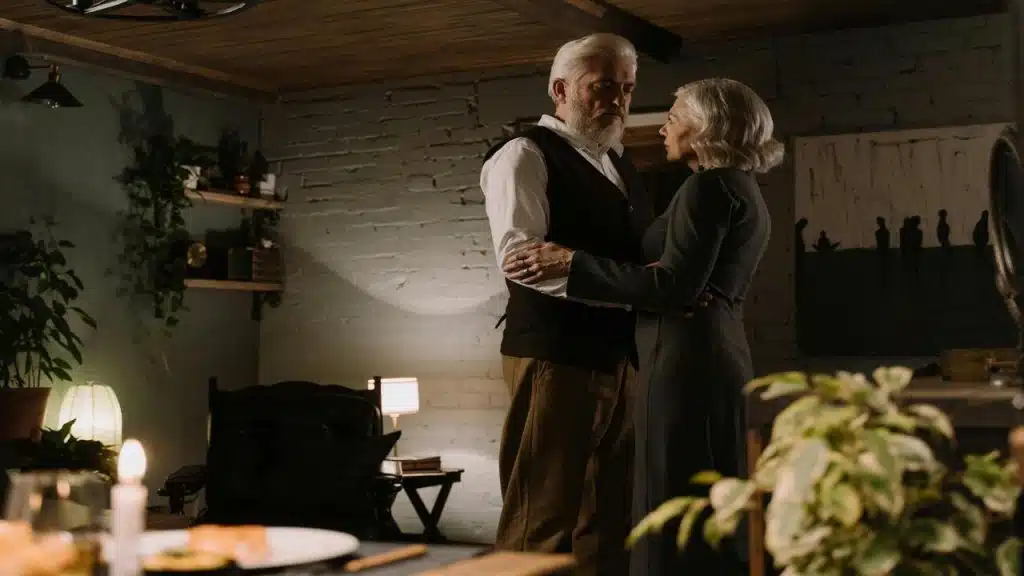
Some couples quietly agree not to rock the boat. They stop bringing up painful topics, stop expecting growth, and settle into silence. On the outside, this looks peaceful; on the inside, it’s a form of resignation. The mask here is calmness, but the reality is emotional surrender. Happiness doesn’t come from pretending problems don’t exist–it comes from facing them together, even late in life.








Ask Me Anything